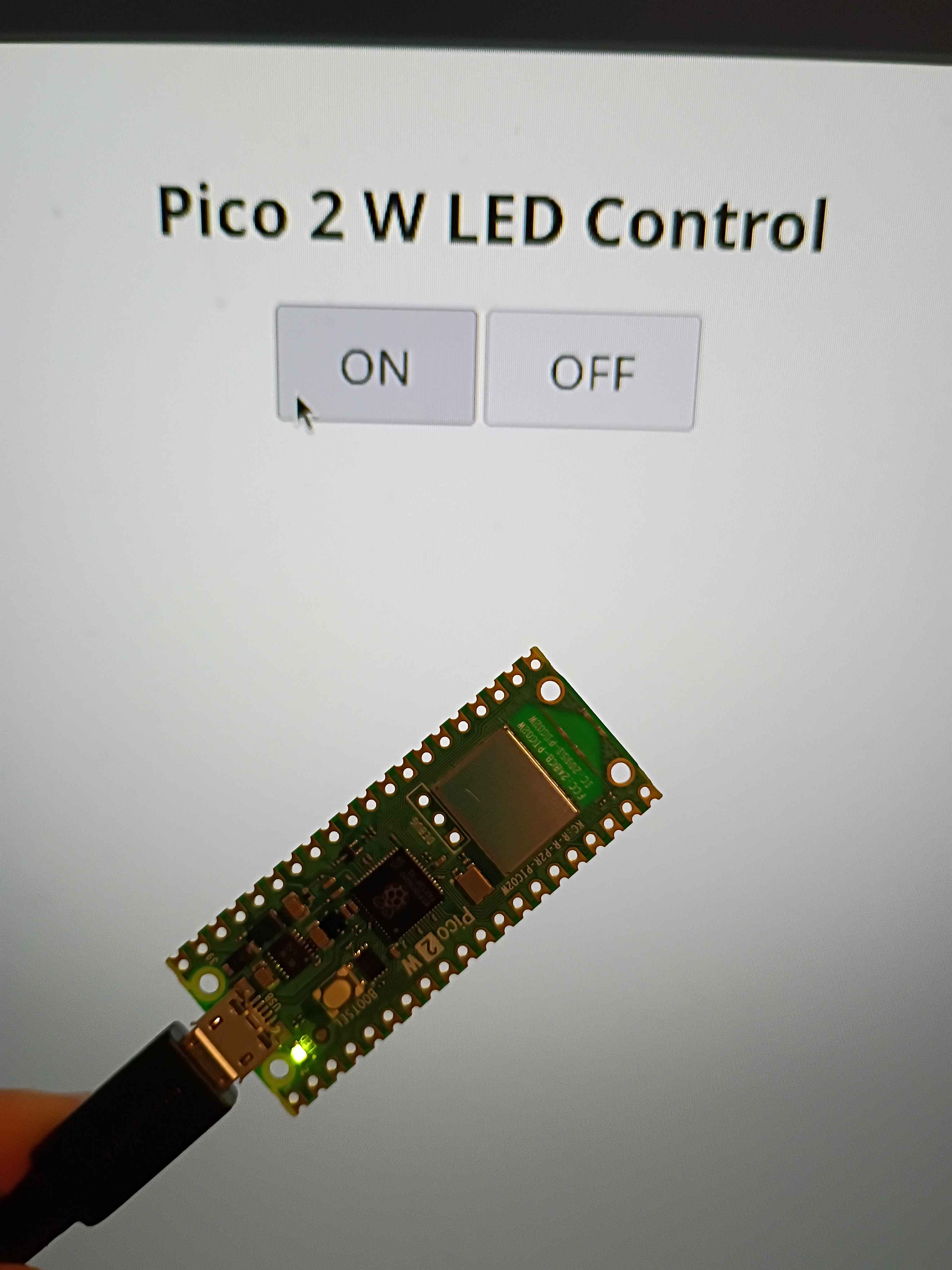
Vibe-coded GPIO control webserver on Pi Pico 2W using the SDK. Will adapt this to control the attic fans this weekend.
When launching Putty, you should have 'Session' tab selected on the left side, then under connection type, select Serial (the serial radio button) change the speed to 115200. Find the necessary COM, to do this, go to device manager to find it. I believe it's COM3. Click the Terminal tab and select Blinking Text. Click on Terminal->Keyboard (on Left) Select the VT100+ Radial button. Go back to the Session Tab and name the session and save it. you can use it later. When loading a session, you can load settings and then change as you please. So to get a logging, you need to load your saved settings. then go to 'Logging' under the 'Session' tab change the session logging to 'printable output' select the file to save the output to under log file name. Click 'Open' to launch the logged session.
Designed a stackable case to contain various electronics for prototyping. The idea is that these small containers can be stacked on top of eachother on a desk, or shelf. 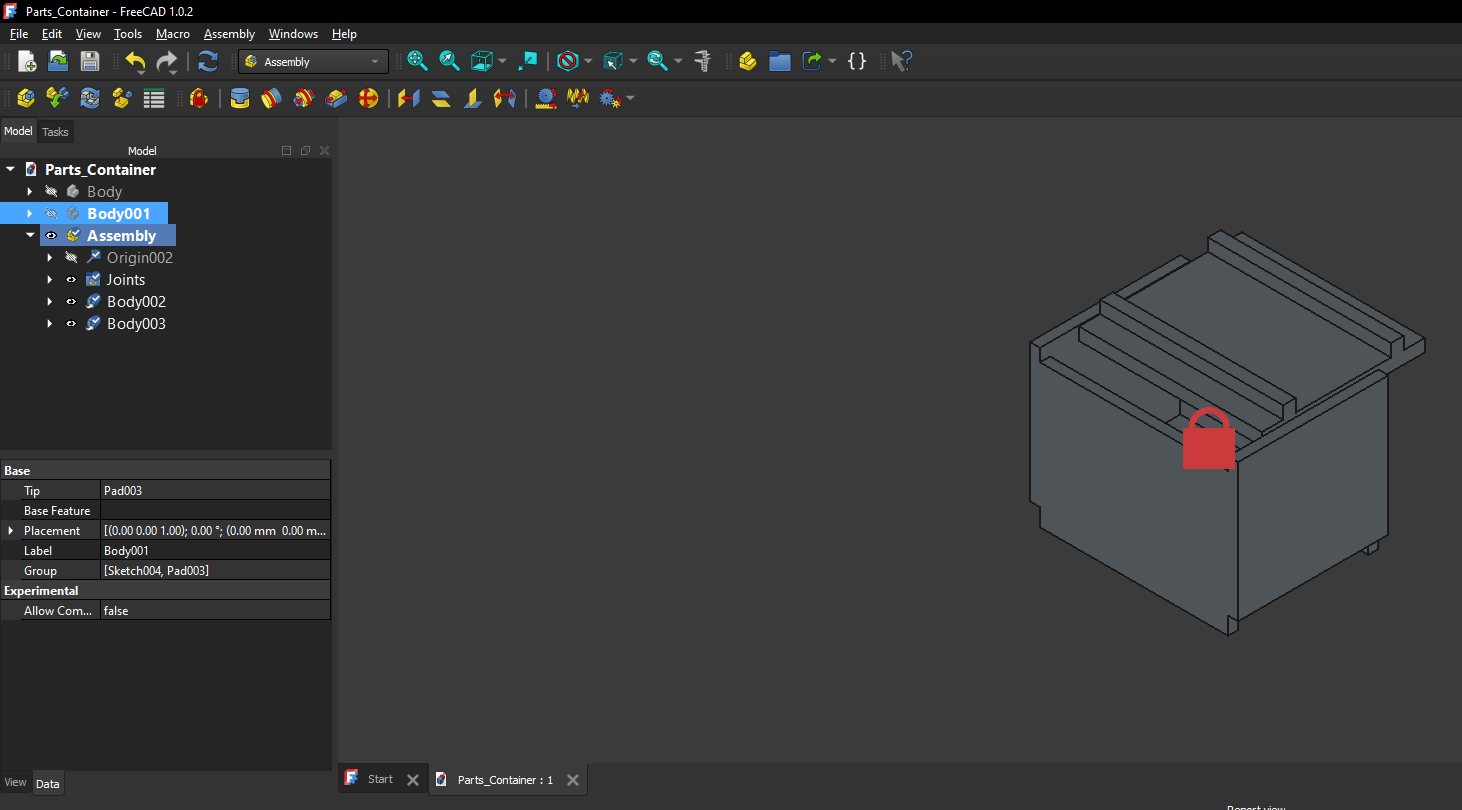
Designed a Resistor Holder for convenience when prototyping on a breadboard. It's easier than opening a plastic bag to get the resistors. 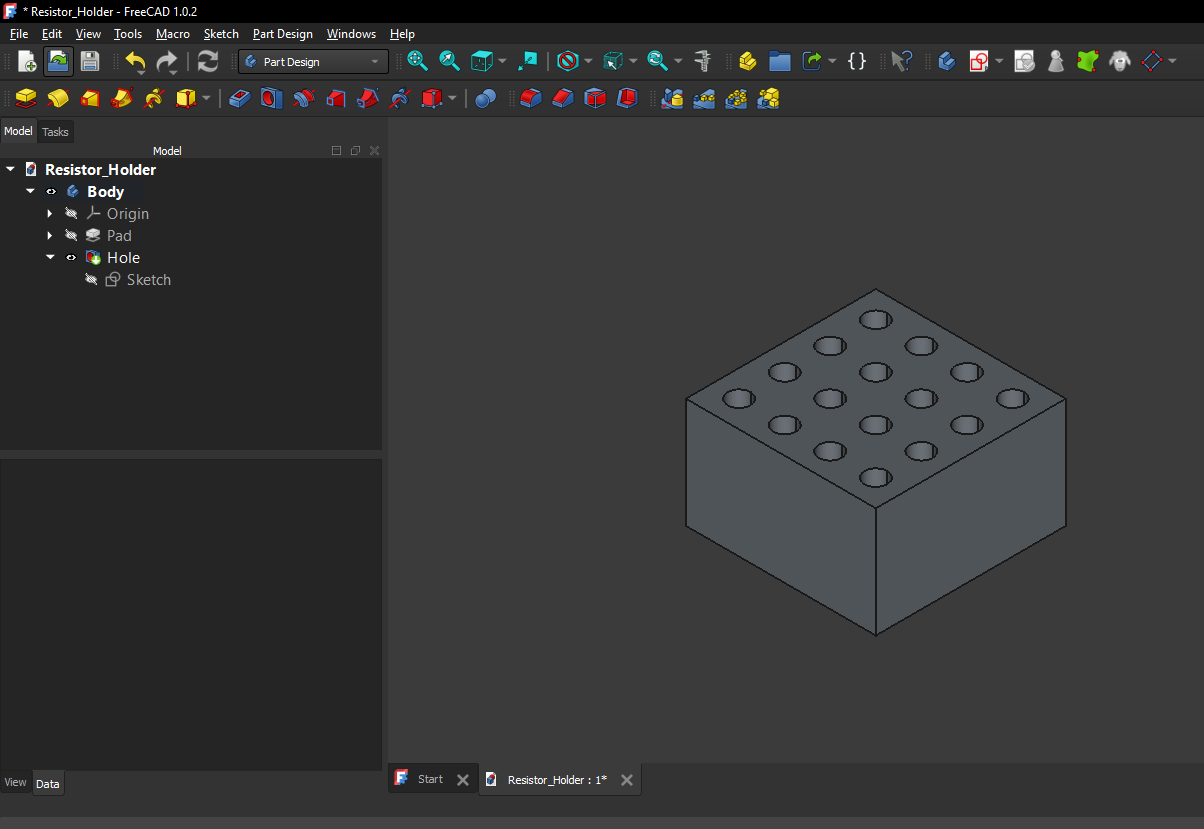
Got bit-banged I2C working on the ch32v003, which was a massive headache, around 800 bytes in the binary. Still way easier than using the built in I2C peripheral. And it allows use of any pins, which is good. Also realized that the WCH LinkE programmer can provide 5V as well as 3.3, which is very good to know. 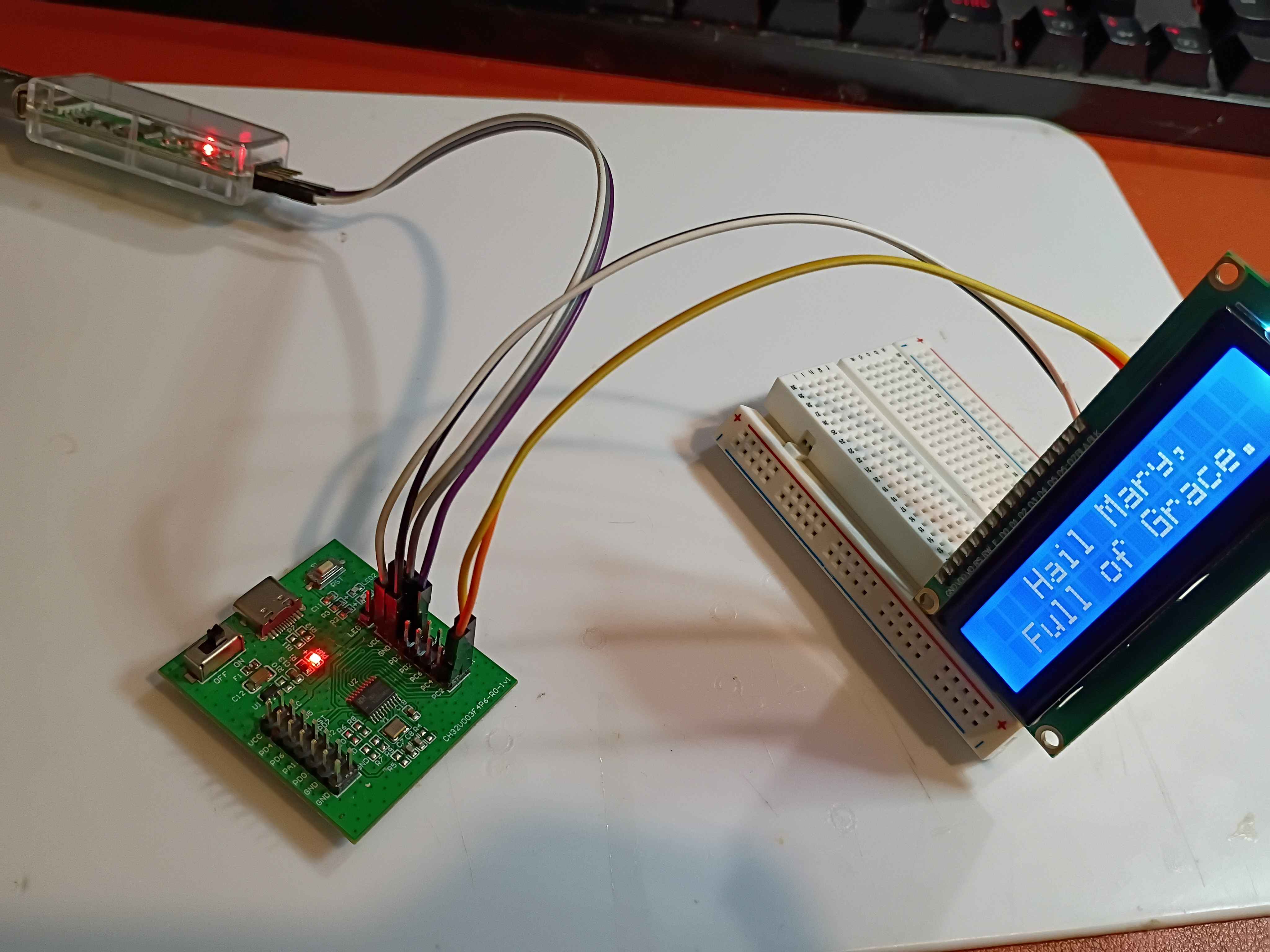
Created the ex04_adc and ex05_pwm ch32v003 template assembly programs. Updated the documentation entry in the microcontroller sandbox.
Abstracted out specific addresses and values to a definition file for the ch32v003 assembly code. Adapted the ex02 blink program and created an ex03 for SDI (serial debug interface) data printing to a connected computer console. Updated the documentation entry in the microcontroller sandbox.
Got ch32v003 dev board to run an assembly code version of blink without the ch32v003fun bloat. Very easy and way more clear in my opinion. Created the documentation entry in the microcontroller sandbox.
Got ch32v003 dev board to run slightly modified sample blink routine using ch32v003fun libs. Was trying to do it with less bloat but was unsuccessful. Will try again later. 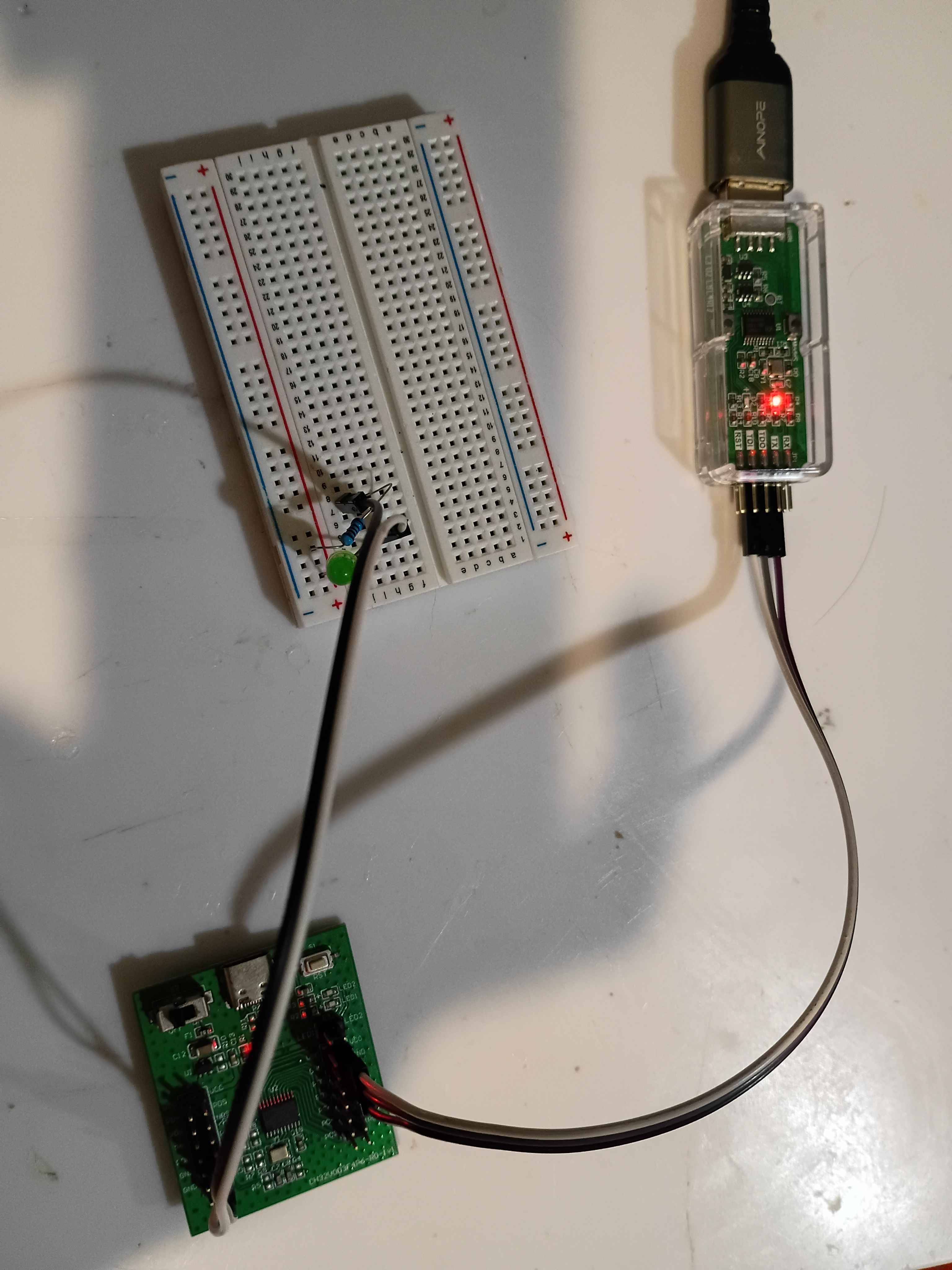
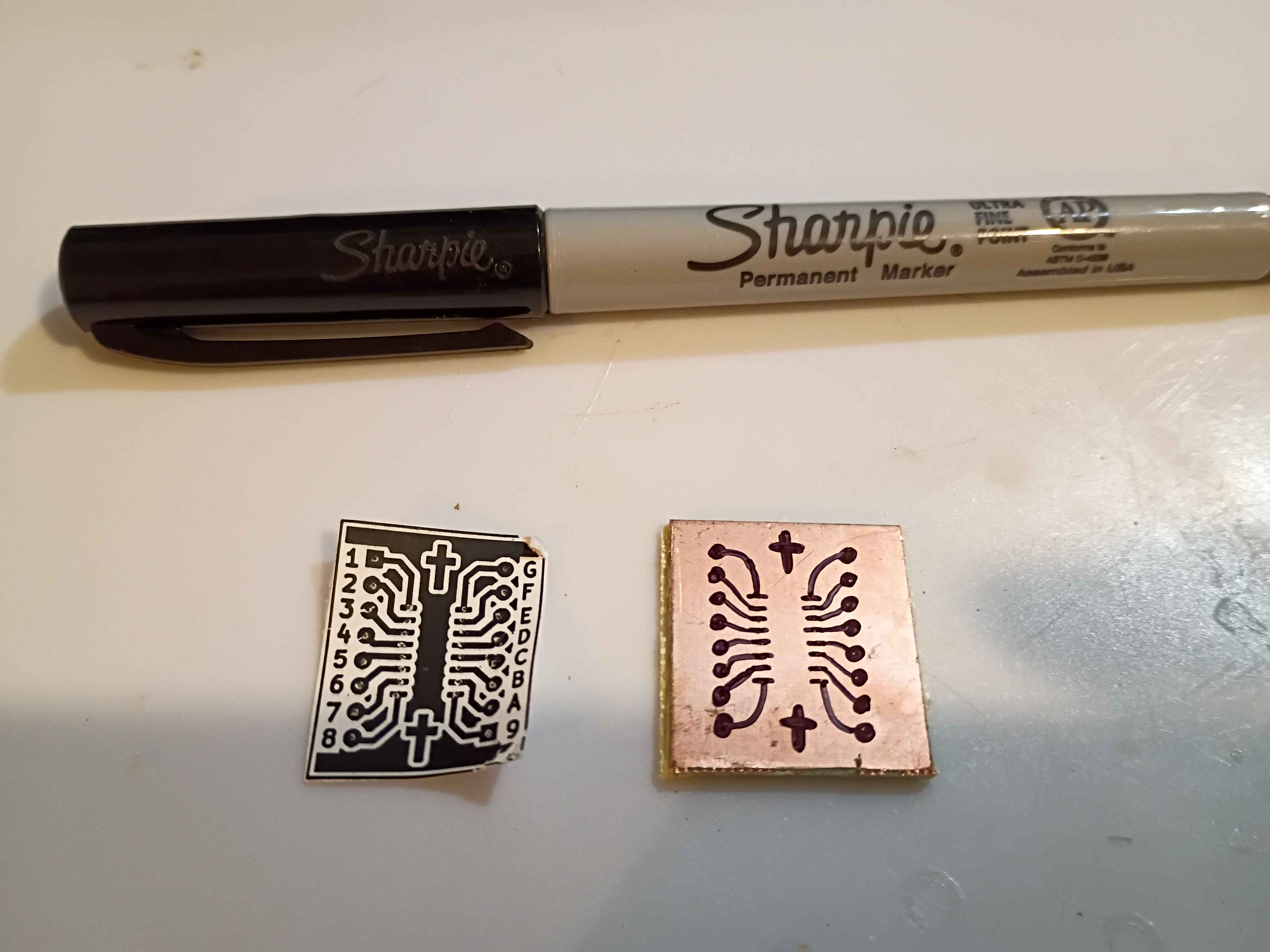
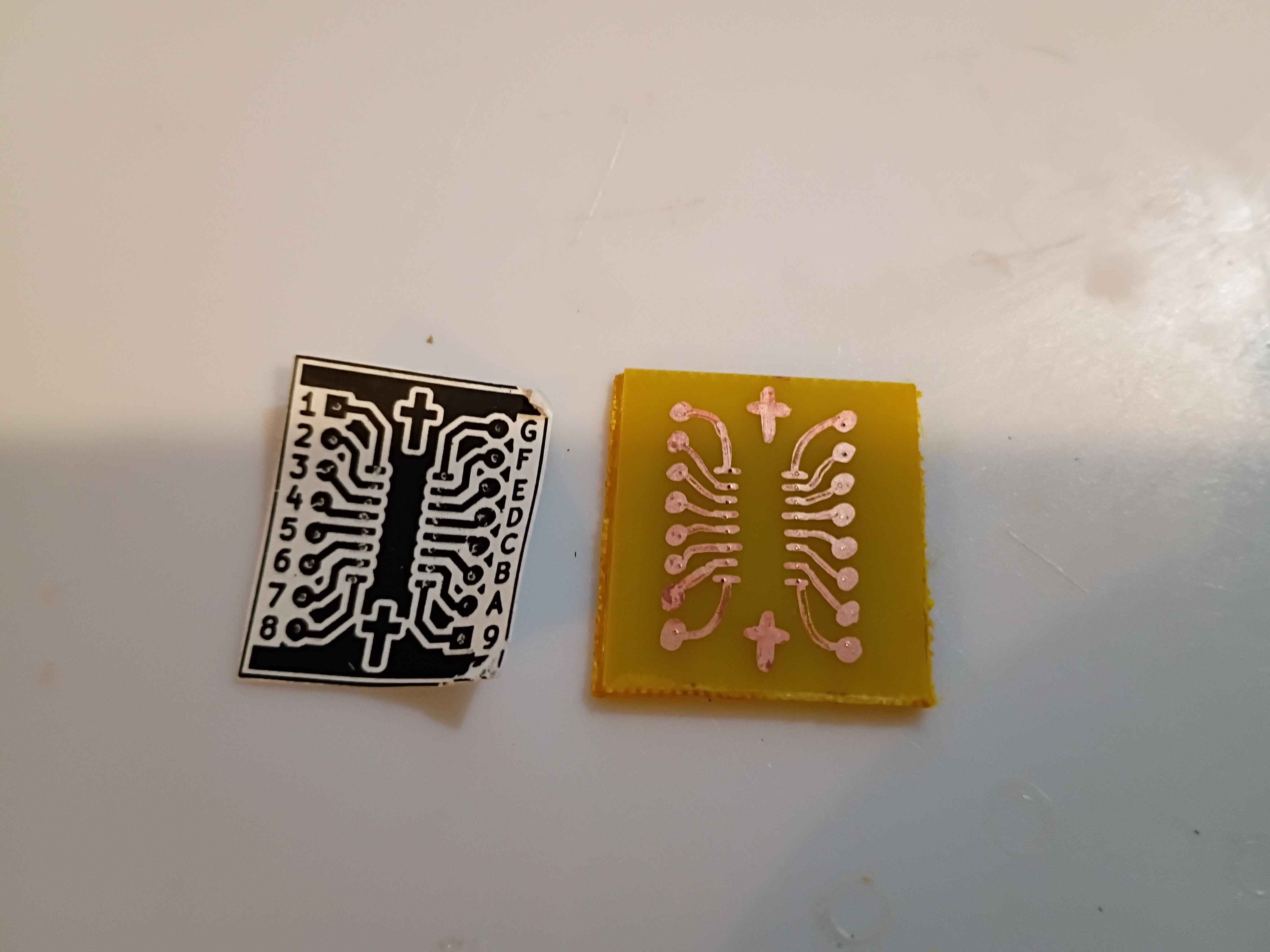
Successfully attempted a new artisanal PCB design transfer method for in-house etching. It involves adhering a non-mirrored image of the traces to the copper face of the copper clad board and pressing in the center of all pads (and corners of all trace line segments) with a thumb tack. Then the paper is removed and the pads and traces are reconstructed by hand using an ultra-fine point sharpie. This has been shown to resist Ferric Chloride etching solution in a previous study. The first attempt was a resounding success, and only took 30 minutes from start to etched board with a very low probability of failure. If the traces are marked incorrectly, they can be wiped away with acetone and easily redrawn. 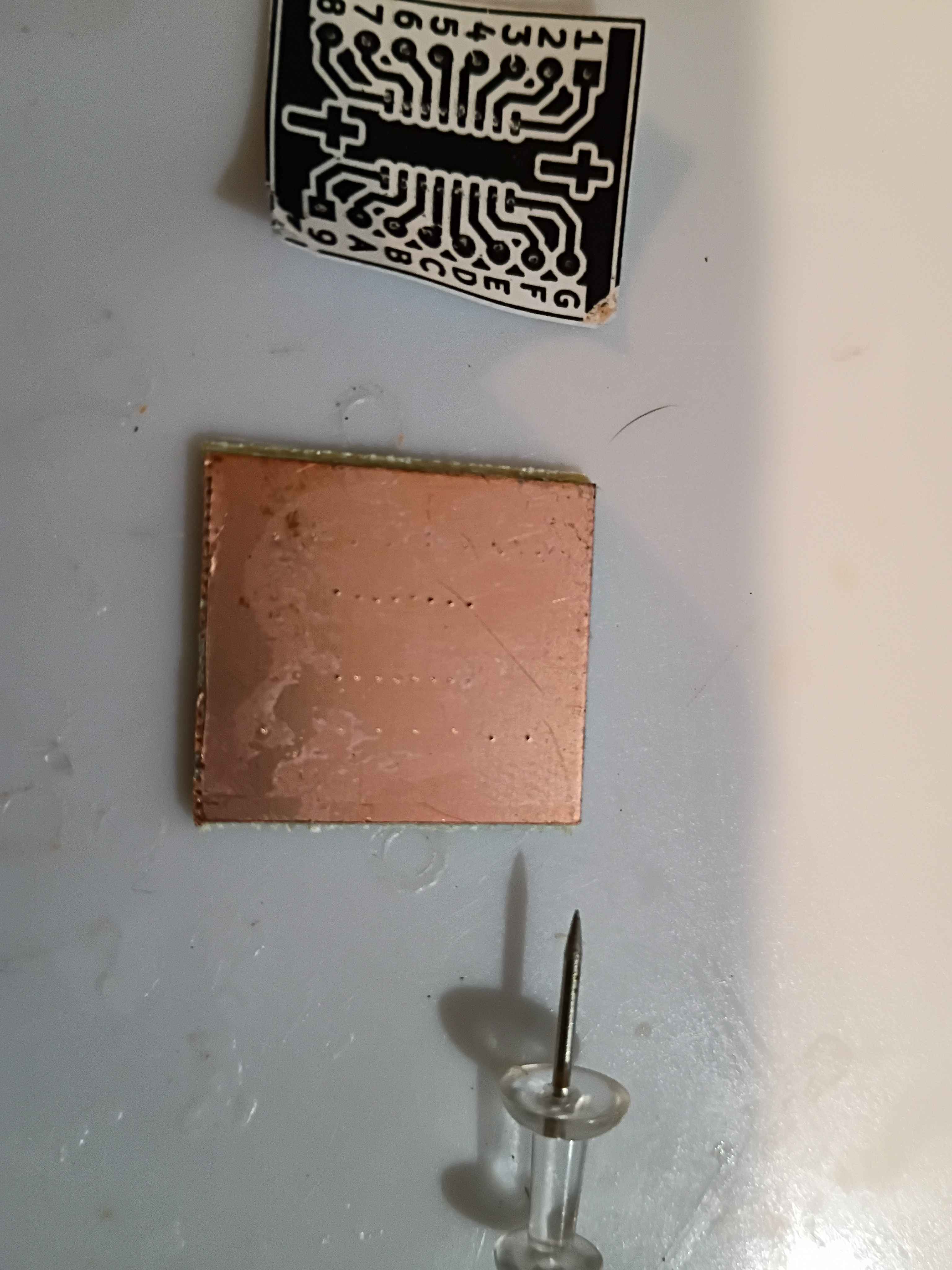
Created a Marian Scientific KiCad project template that has a basic PCB with mounting holes, the minimum silkscreen info required per company standards, and a bunch of settings set up for both an in-house and professional board fabrication. Click here for the template. 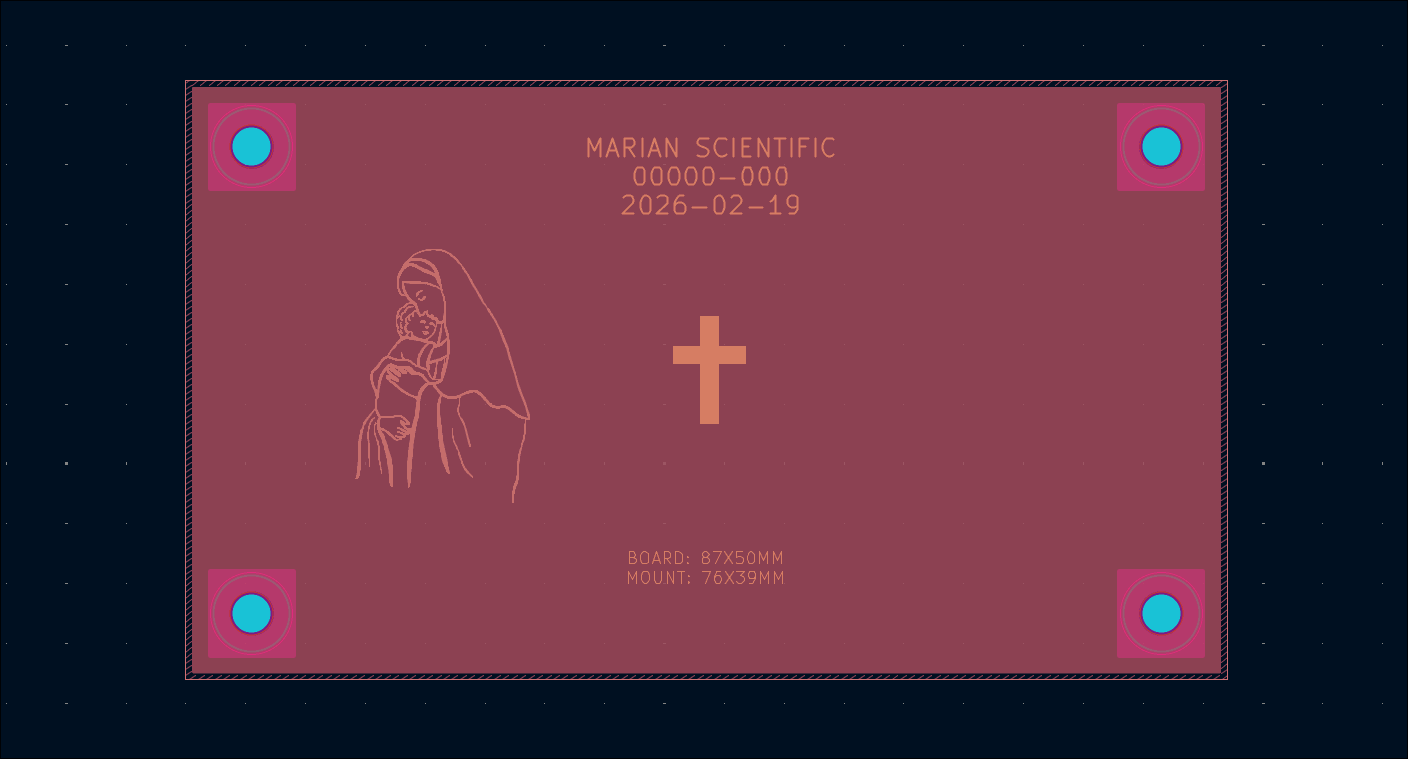
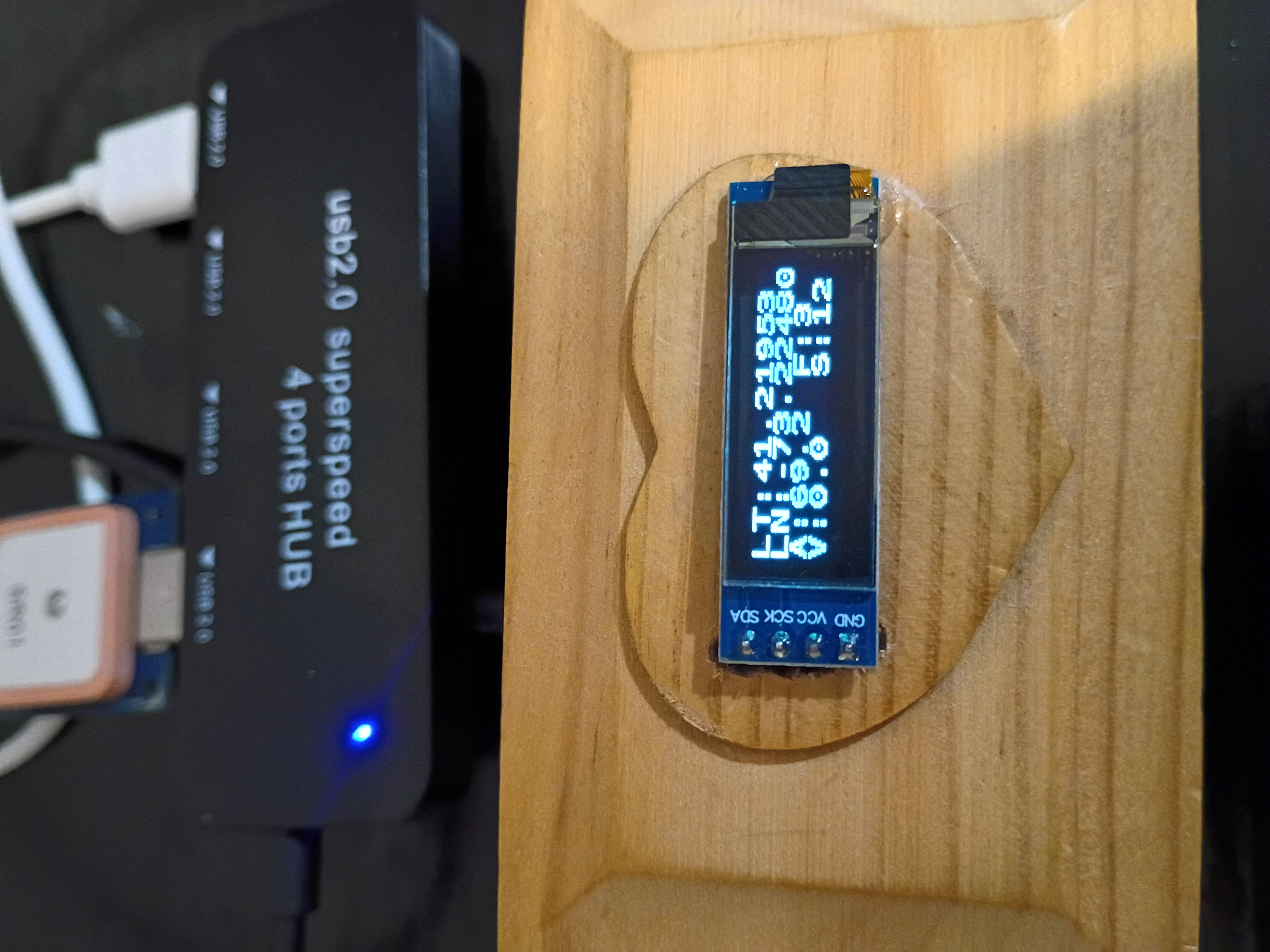
Threw a quick GPS data display together using a Pi Zero (overkill, used only for the USB GPS dongle). It shows lat/long/alt/speed and the fix status and number of satellites observed.