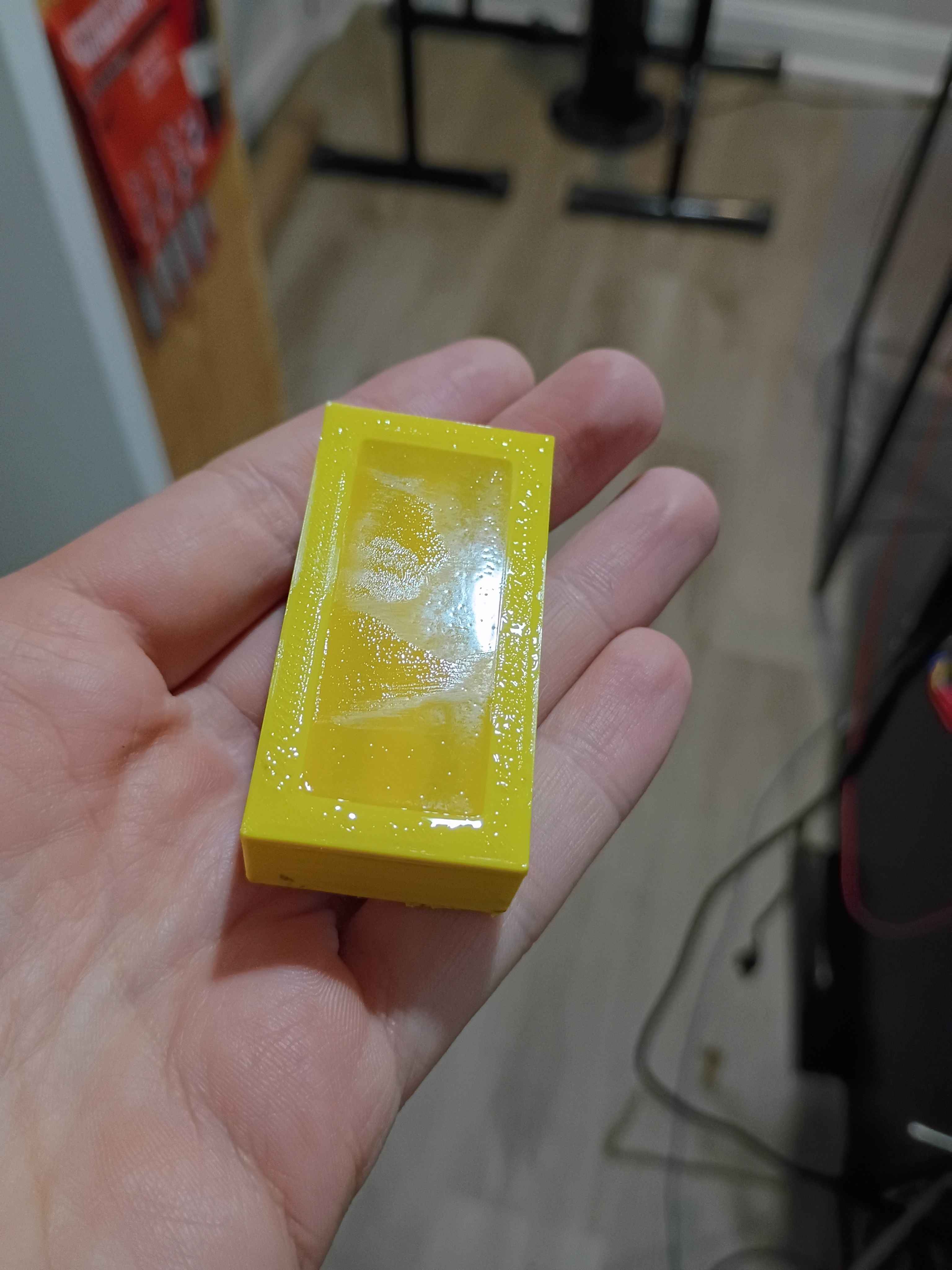
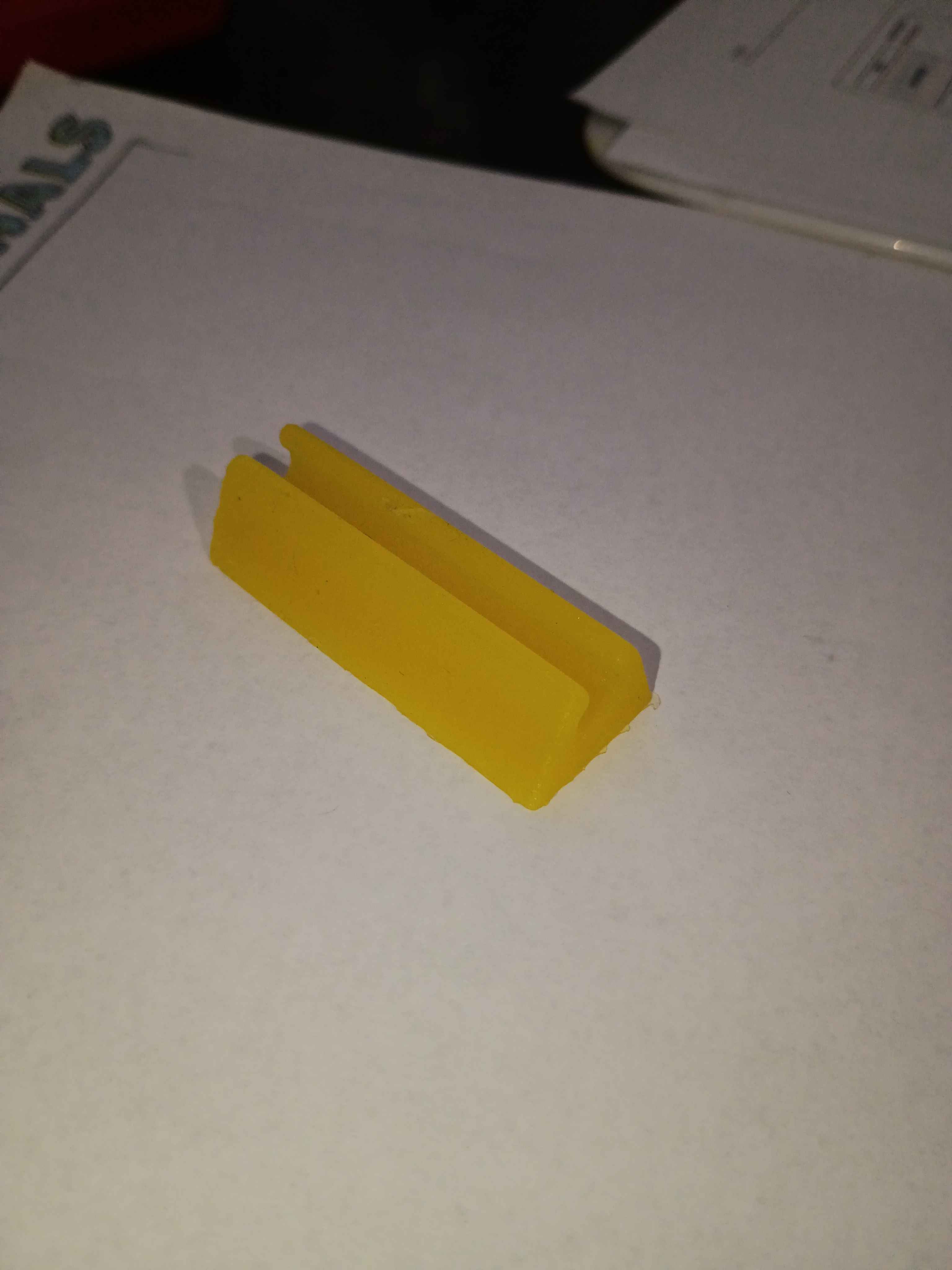
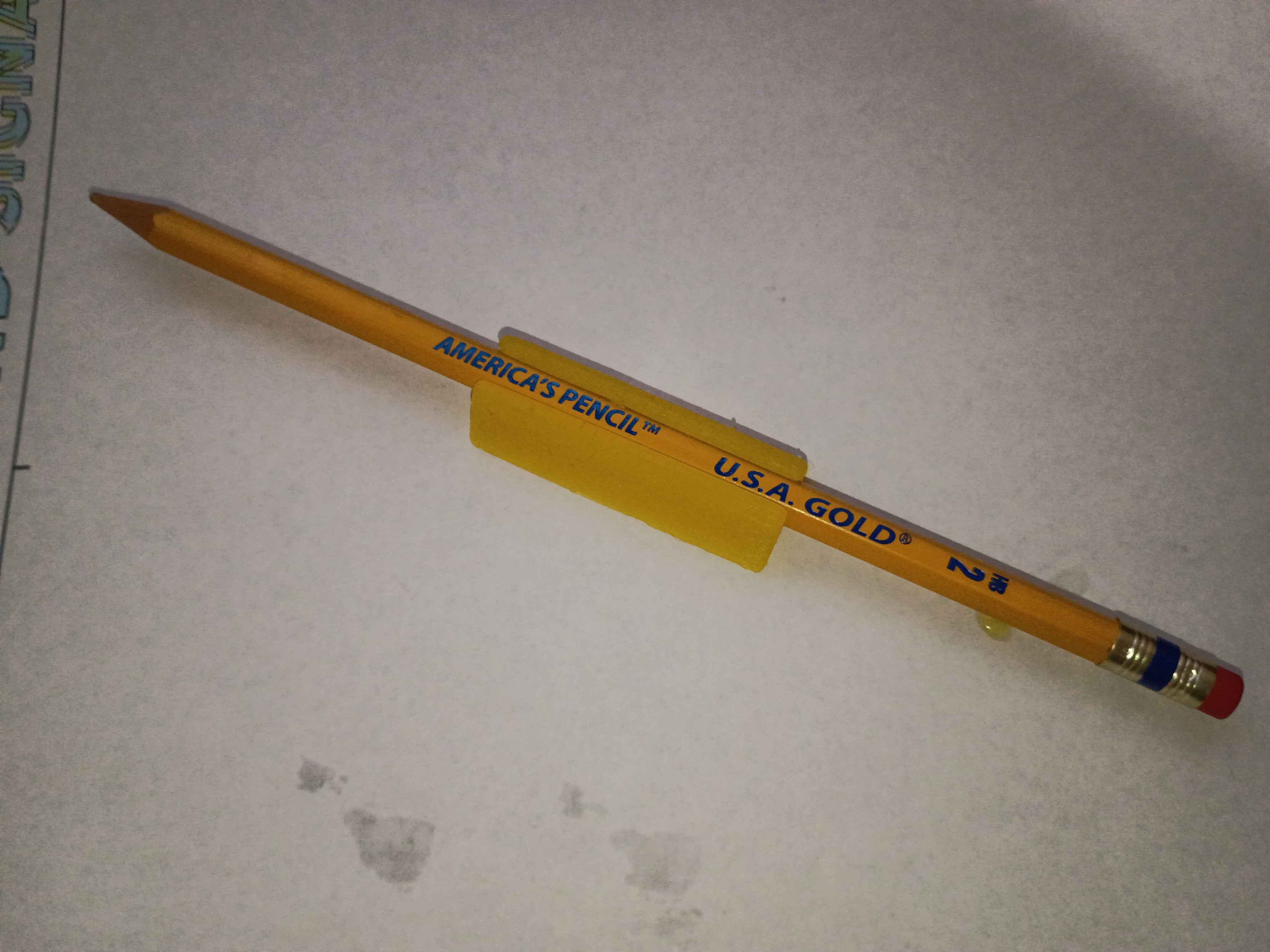
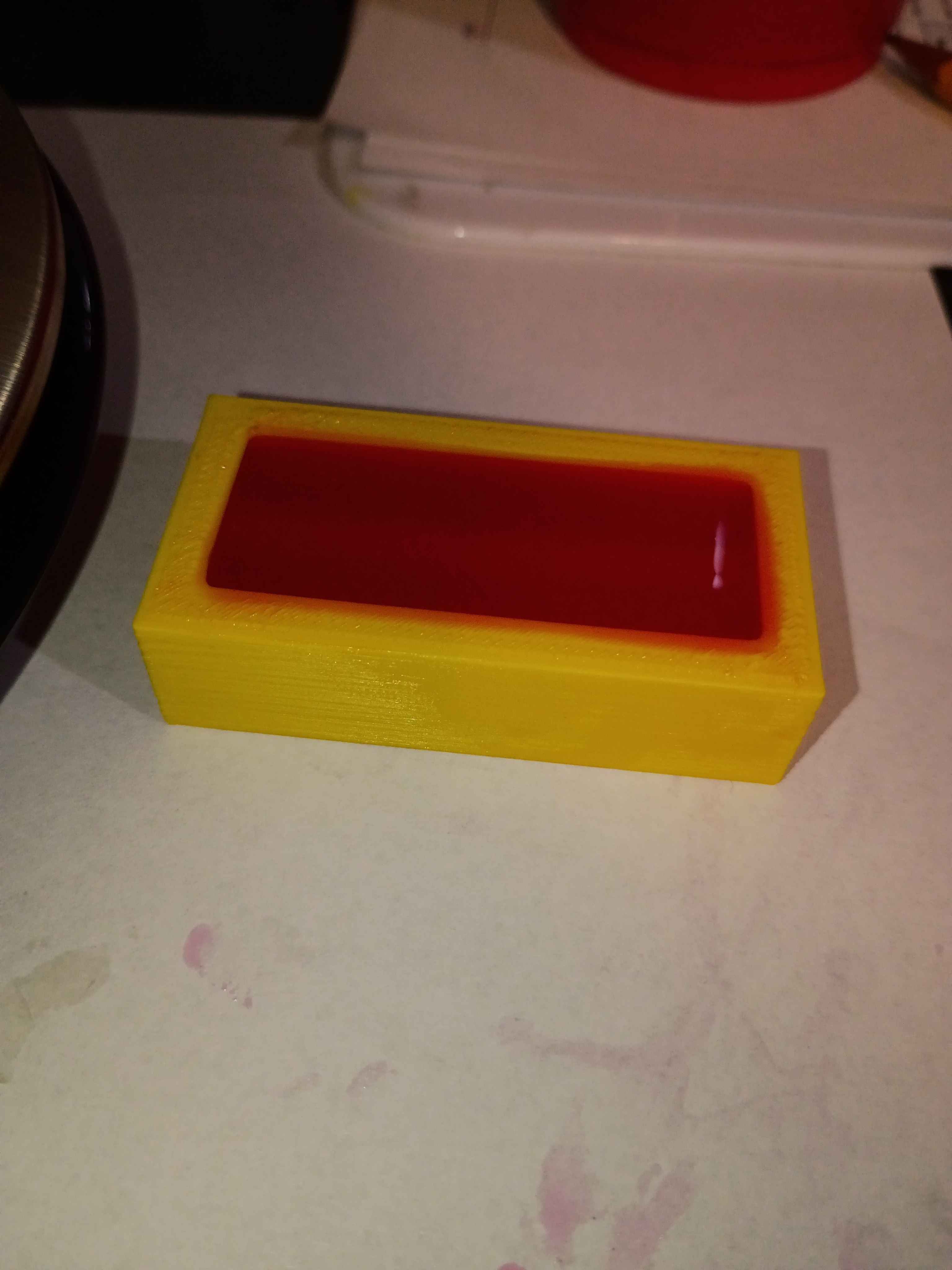
Demolded the cured 01001-001 pencil holder, and it came out well. The surface needed a few more hours to dry outside of the mold because it was sticky. It ended up holding the pencil too tightly, so I redesigned and reprinted a 01001-001A and poured some more silicone. It's cool that I can iterate so quickly on these molded designs.
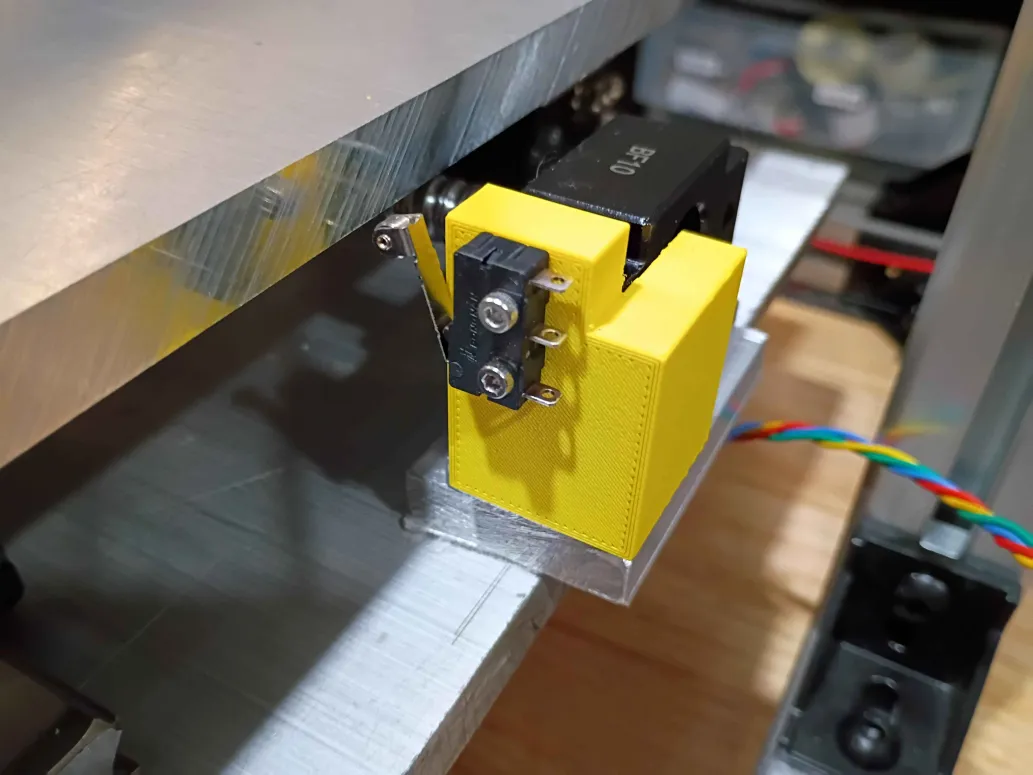
Installed 2x corrected 00001-001B along with the limit switches. Should have probably cut a longer connecting wire between them, but this will do for now. 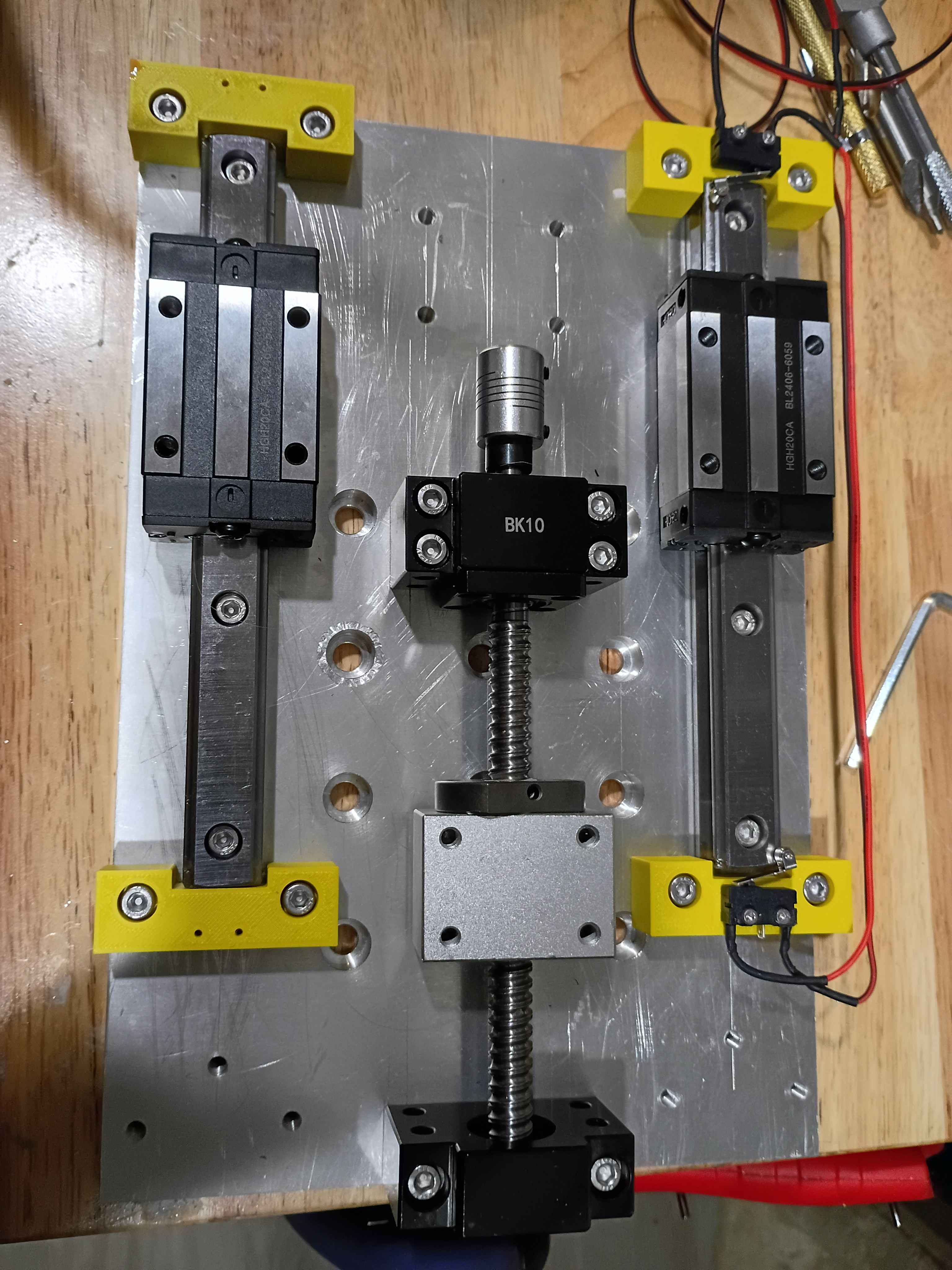
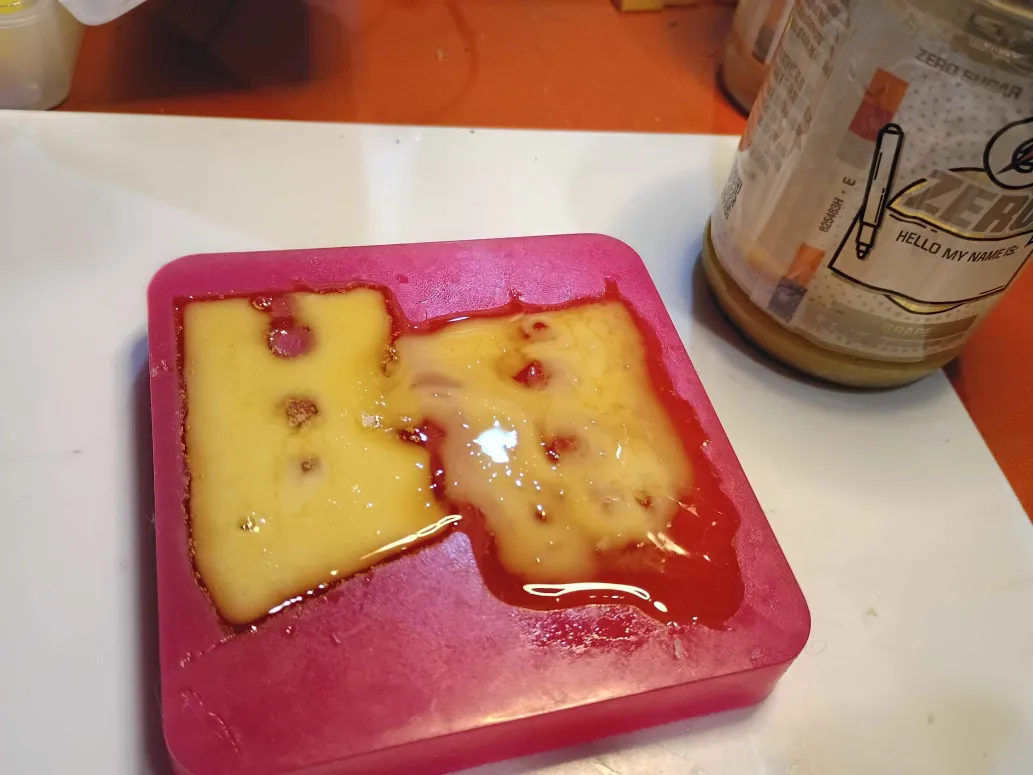
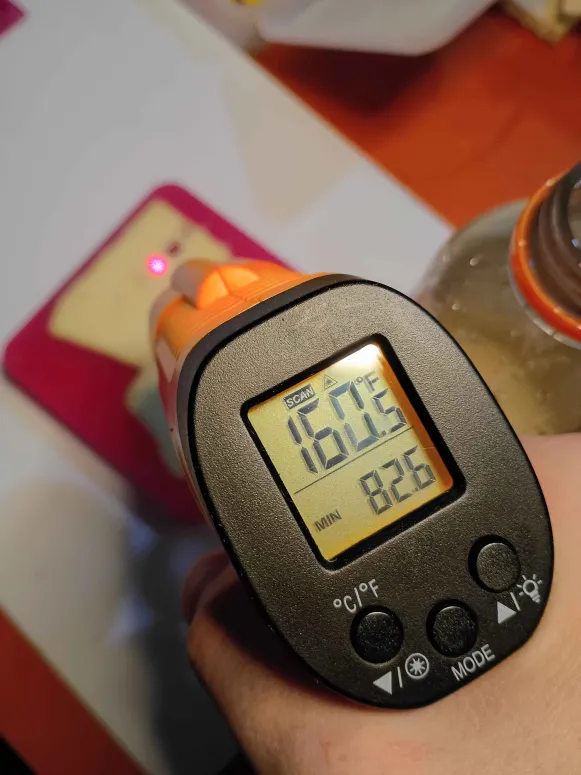
Put 01001-001T1 in an acetone vapor bath, and it helped reduce the amount and severity of layer lines. The part was quite sticky after I pulled it out after being in there for 20 minutes. I pour some Shore 40A silicone into the mold, and I will check the results tomorrow. 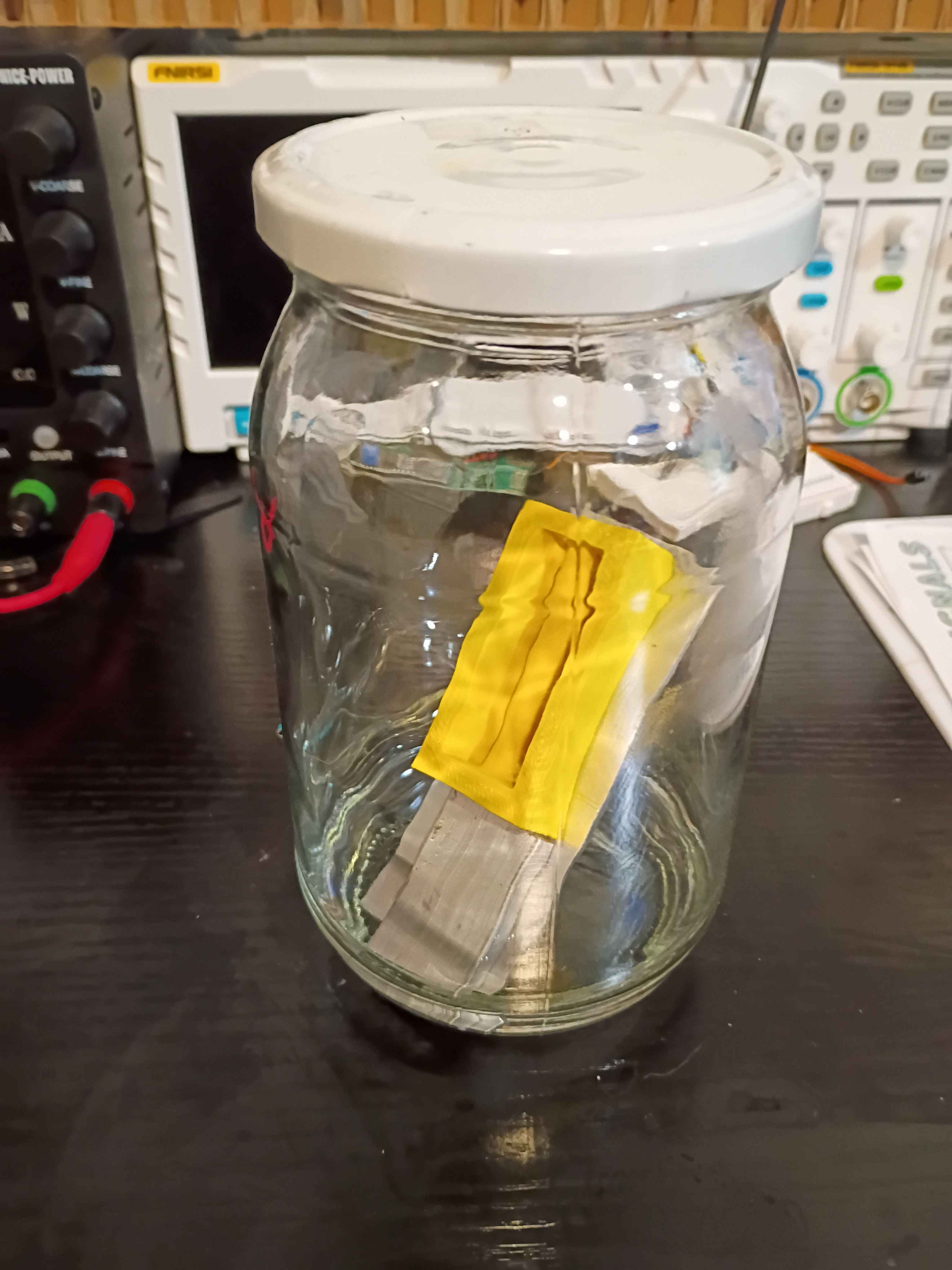
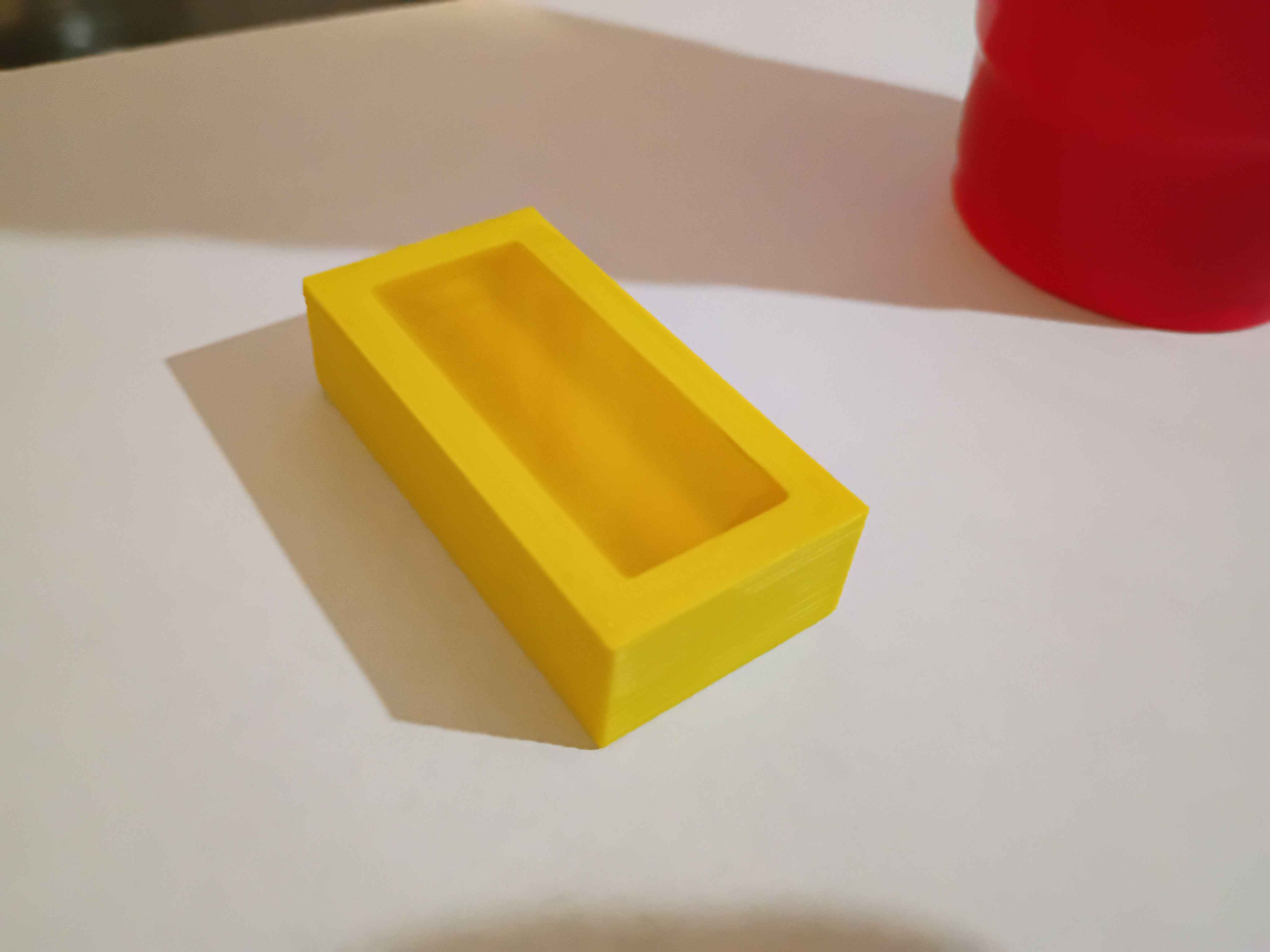
Printed 4x endstop blocks and attached those linear motion components. Realized I need to slightly adjust the limit switch mount holes, so the 00001-011B was redesigned and is being reprinted overnight. Soldered up the series NC limit switches. Realized that with the new narrower heat shrink tubing, the side of the soldering iron is sufficient to shrink the tubing without burning anything, whereas my normal approach of the heat gun for the thicker tubing sometimes causes nearby plastic, especially 3D-printed plastics, to melt. 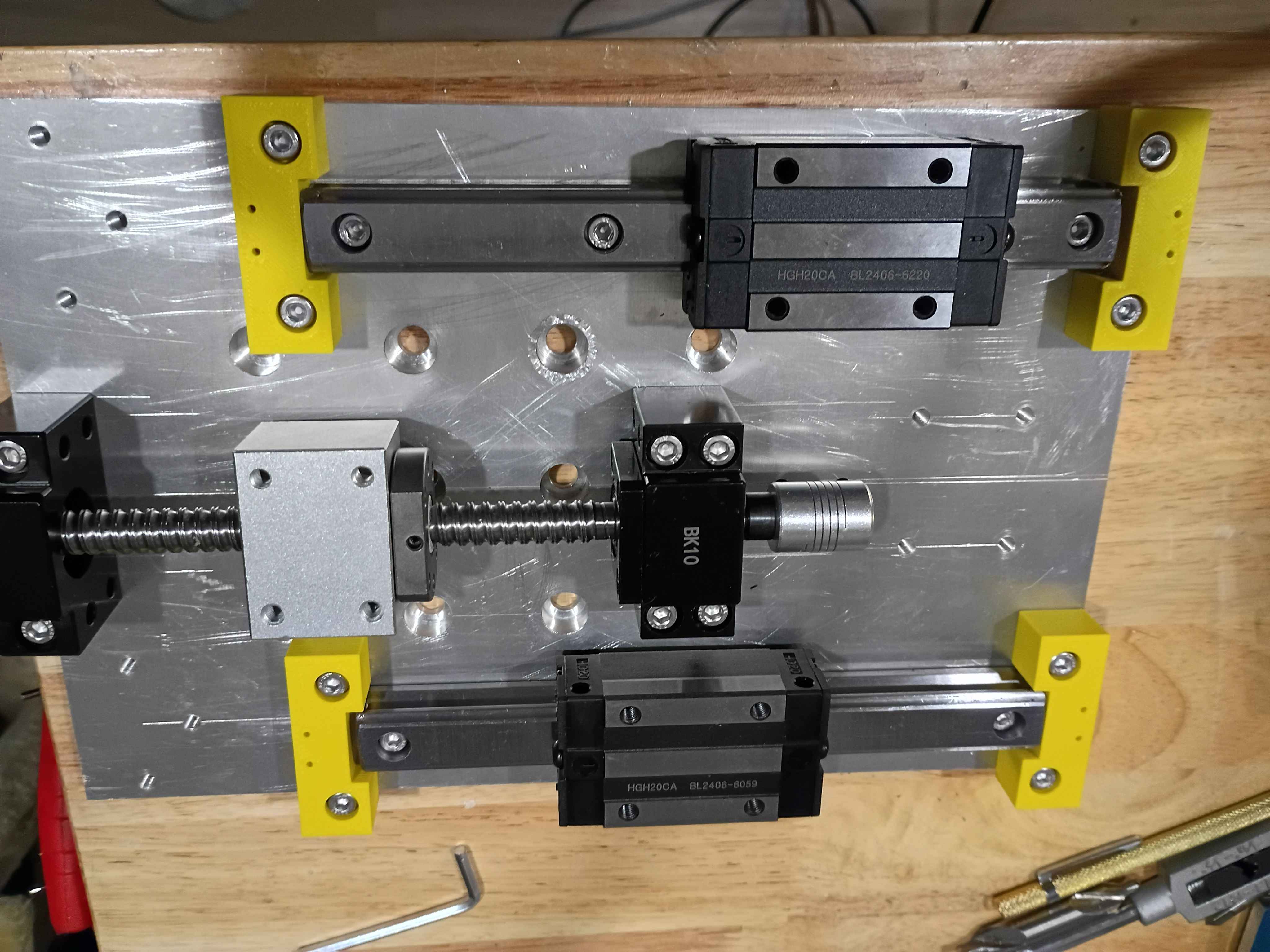
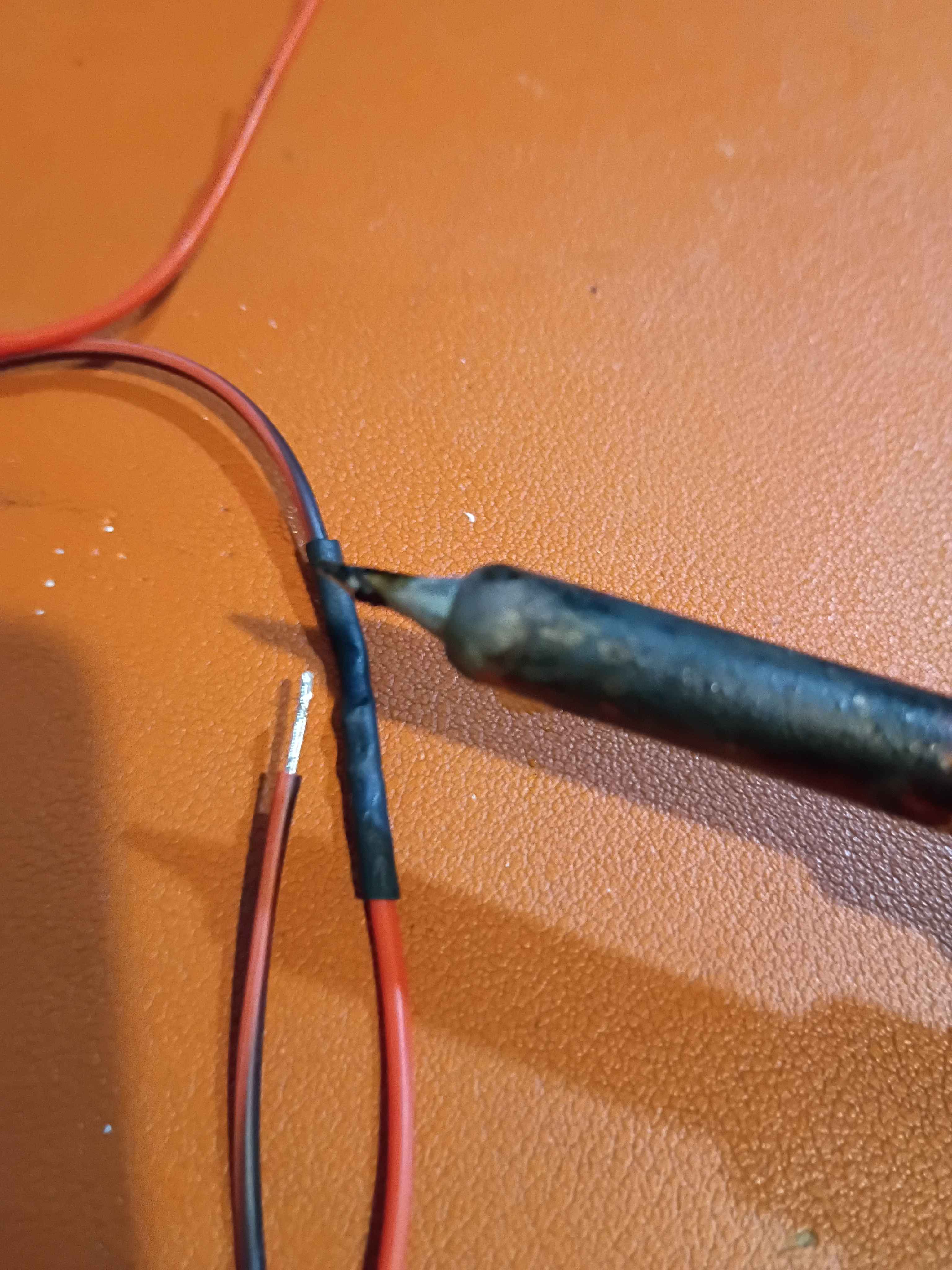
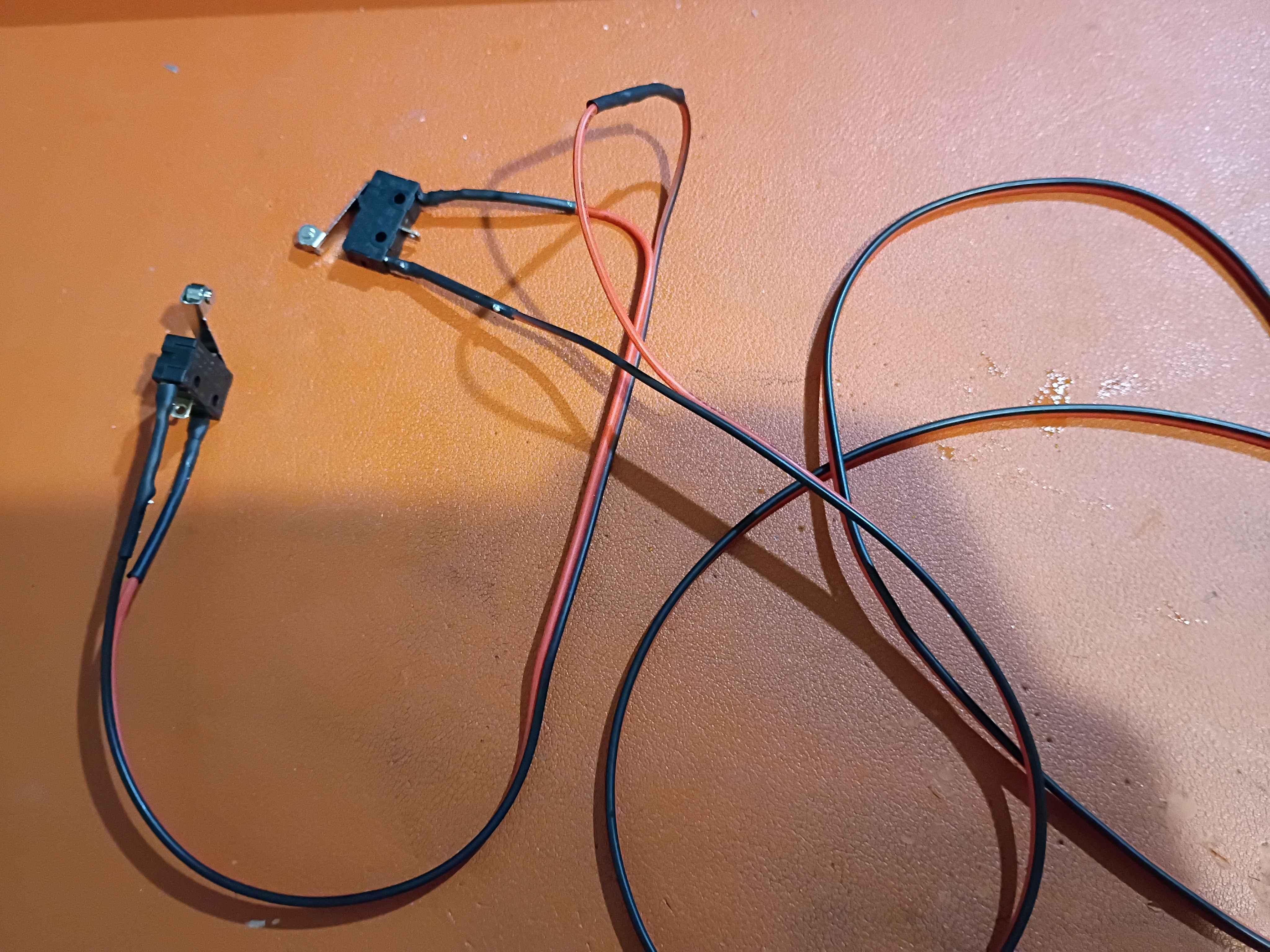
Revised the 00001-011A endstop blocks to handle better tolerance variation in the linear rail ends, as well as having mount points for limit switches. These are being printed overnight. Also determined the required spacer thicknesses for the z-axis motion components, and purchased them on McMaster. 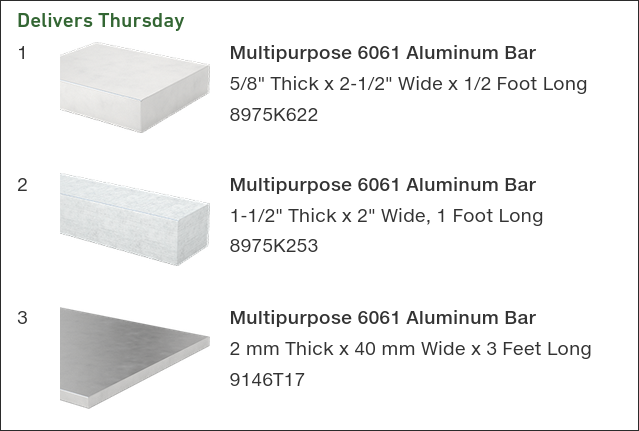
Added some capability to Mary-Bot to track the journal entries in a large JSON database instead of discrete INI files. These two methods are currently tracked in parallel, though the new version will be more extensible and lend itself to future planned updates.
Printed 01001-001T1 tool out and sourced silicone of the proper Shore hardness (40A). 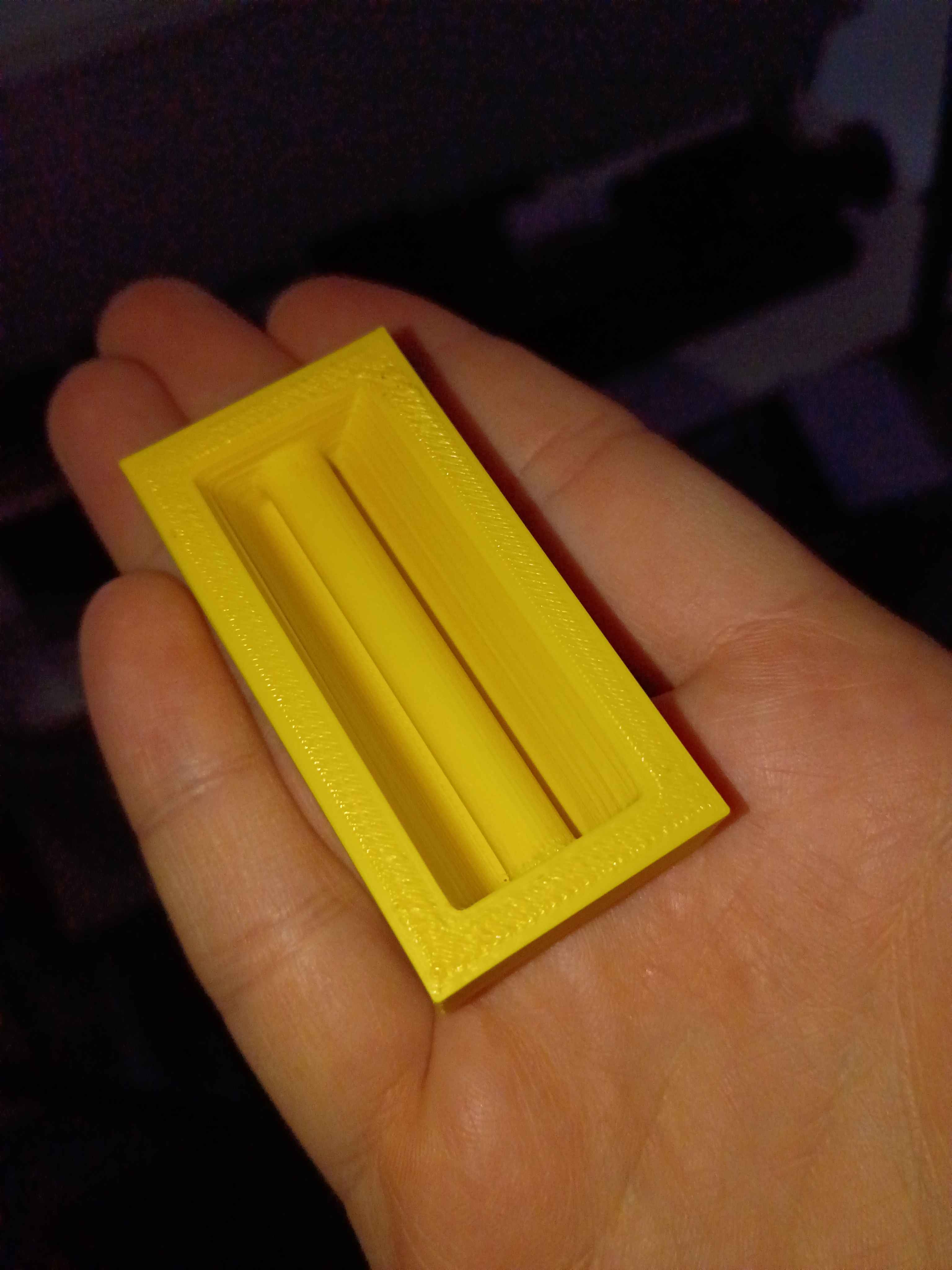
Designed and printed z-axis linear rail carriage blocks. 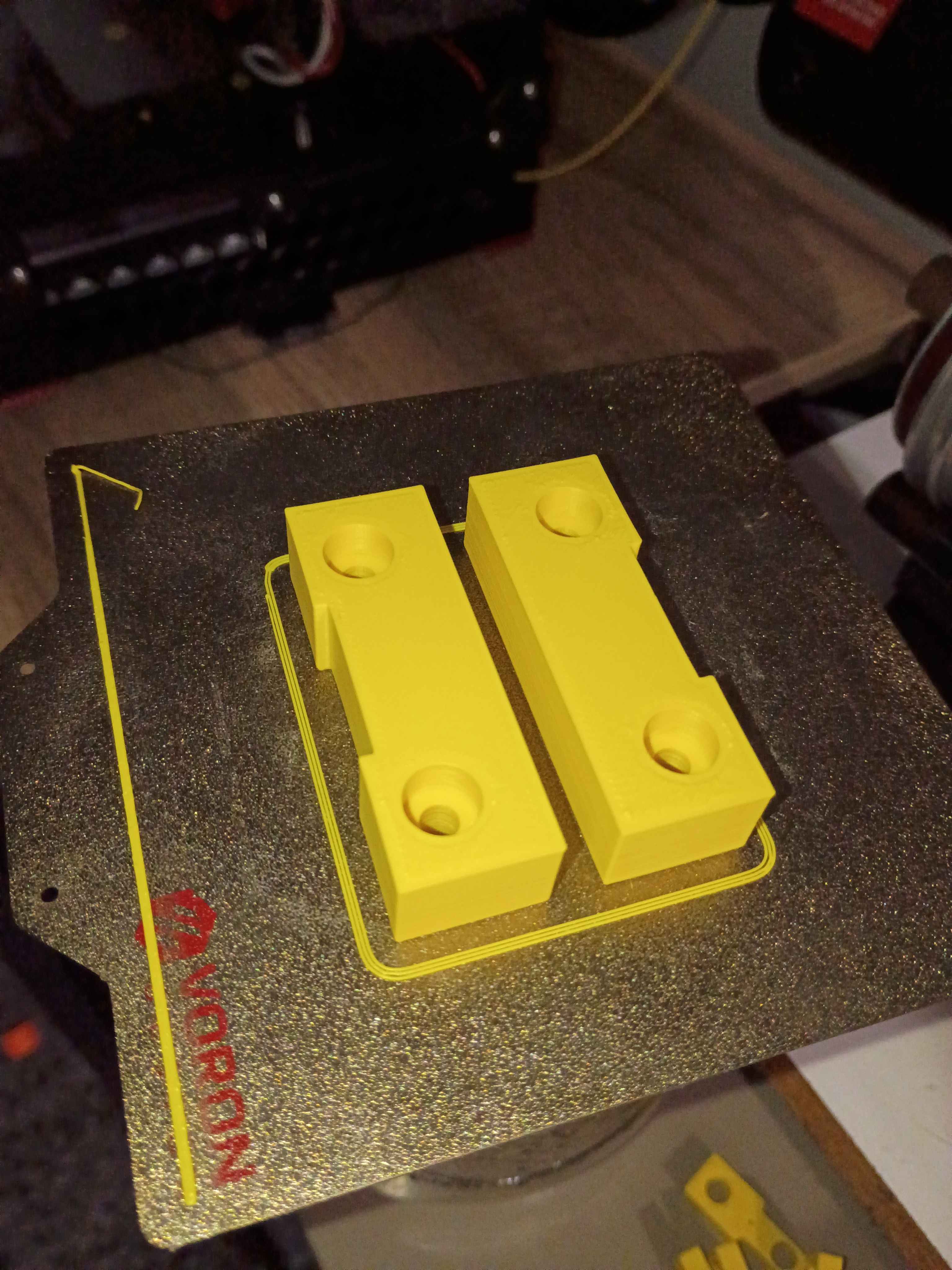
Designed tooling body (01001-001T1) for prototype "PencilHouse" silicone pencil holder (01001-001). Should be printed, smoothed with acetone vapor, and then have Shore 40A platinum cure silicone cast inside it, before being bonded removably to a classroom desk. 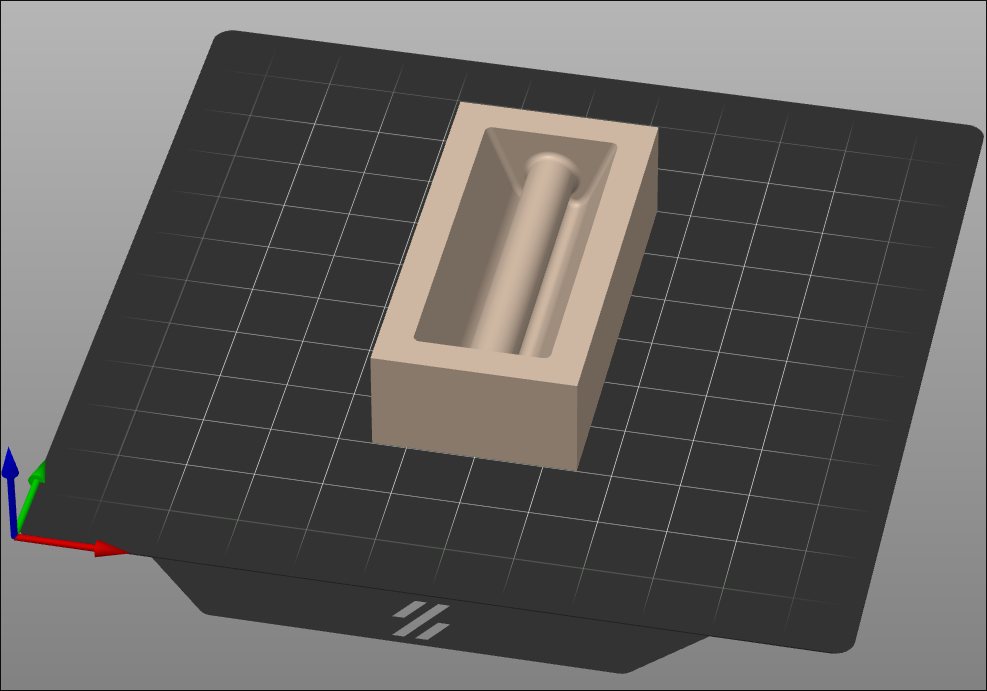
Vibecoded screensaver-esque memory aid for students to become visually familiar with the spelling of sight words.
Laid out Z-direction motion components and marked out the hole locations very accurately (hopefully). Drilled and tapped all the mounting points for the rails, the ballscrew supports, and the stepper motor mount. Also drilled and tapped holes for a slightly longer set of rails (for upgradability) and also end stop blocks that can hopefully be 3D printed and would serve as mount points for the limit switches but also prevent the carriages from sliding off the rails in any direction, especially down due to gravity. 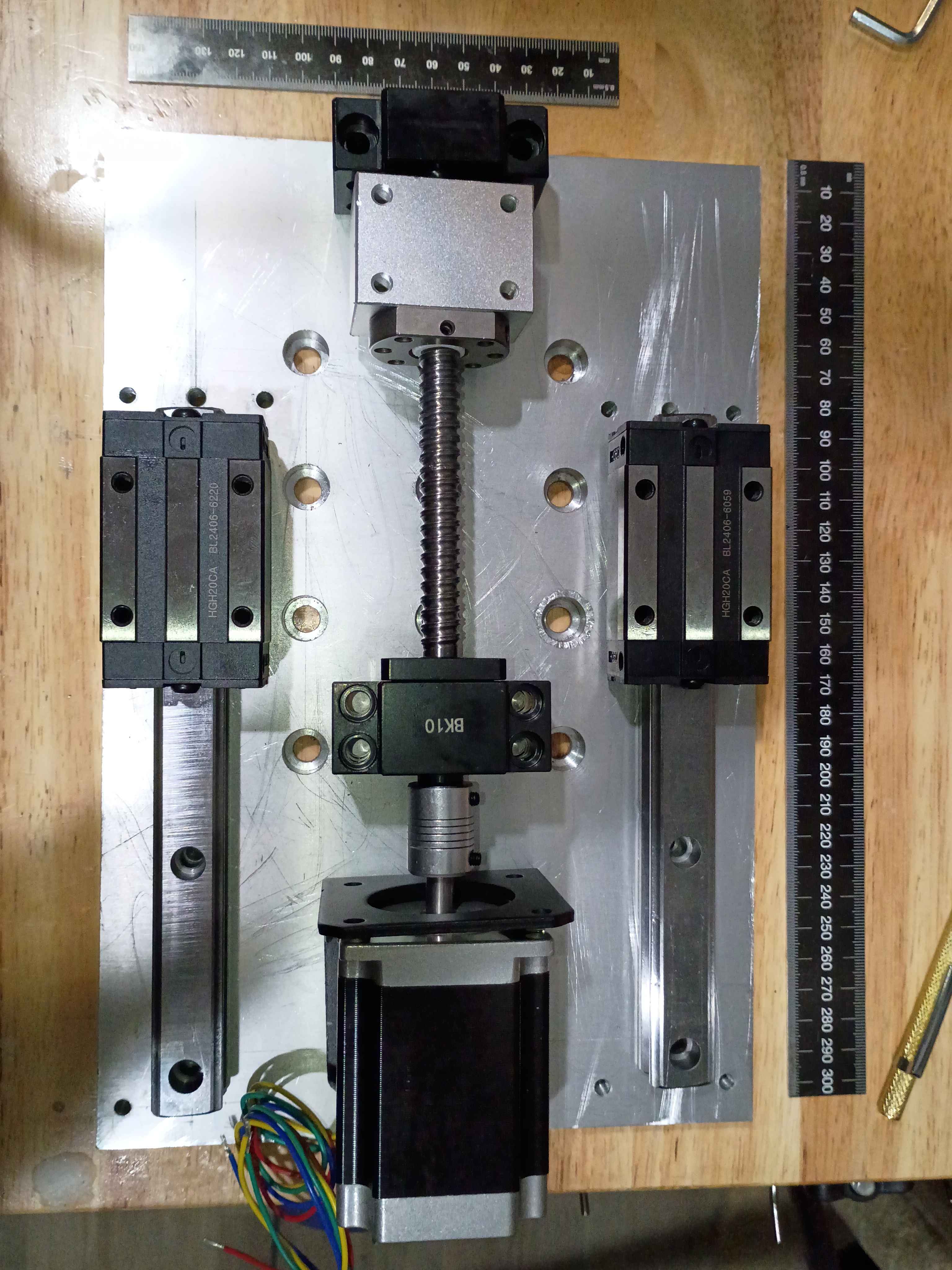
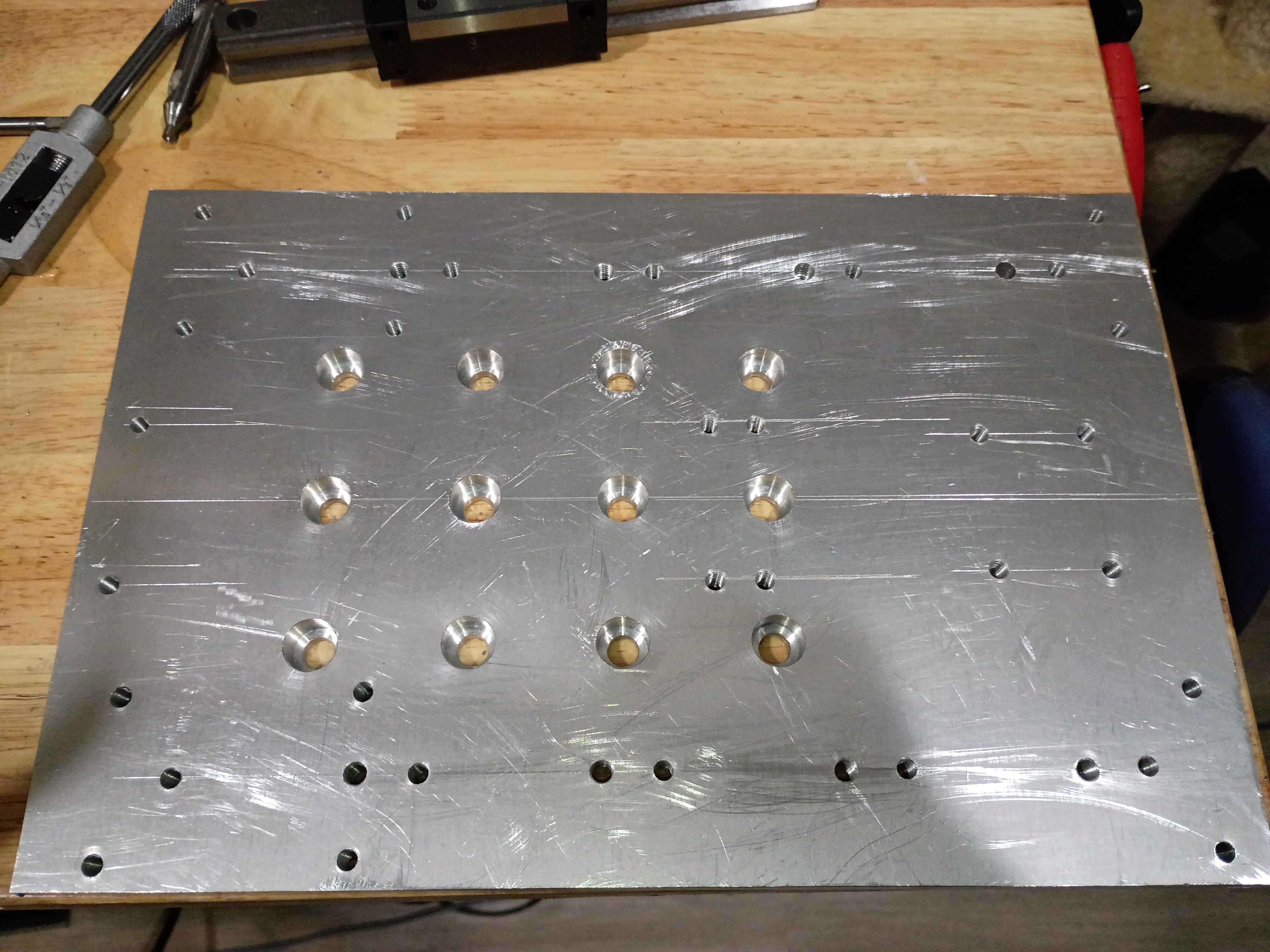
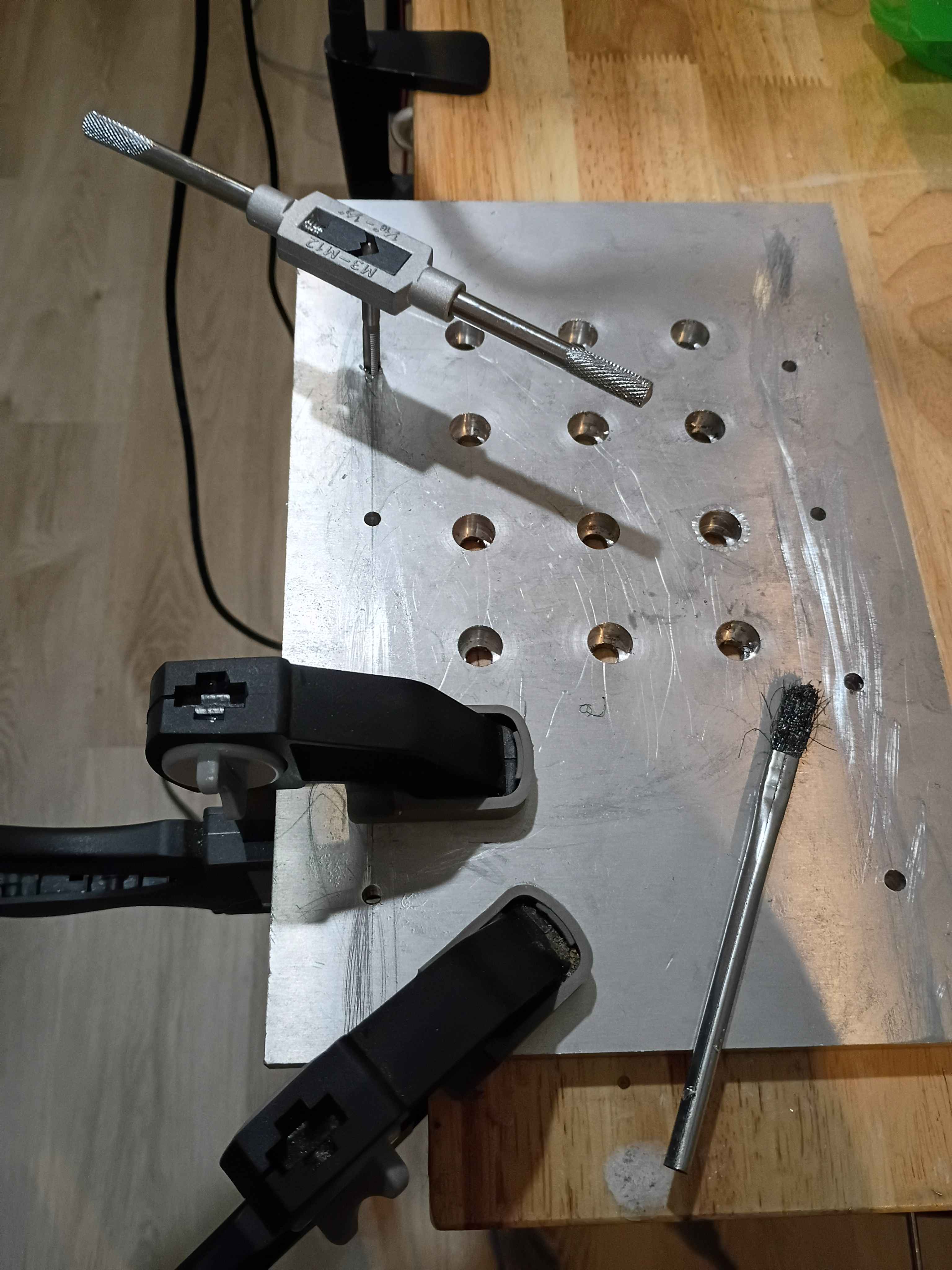
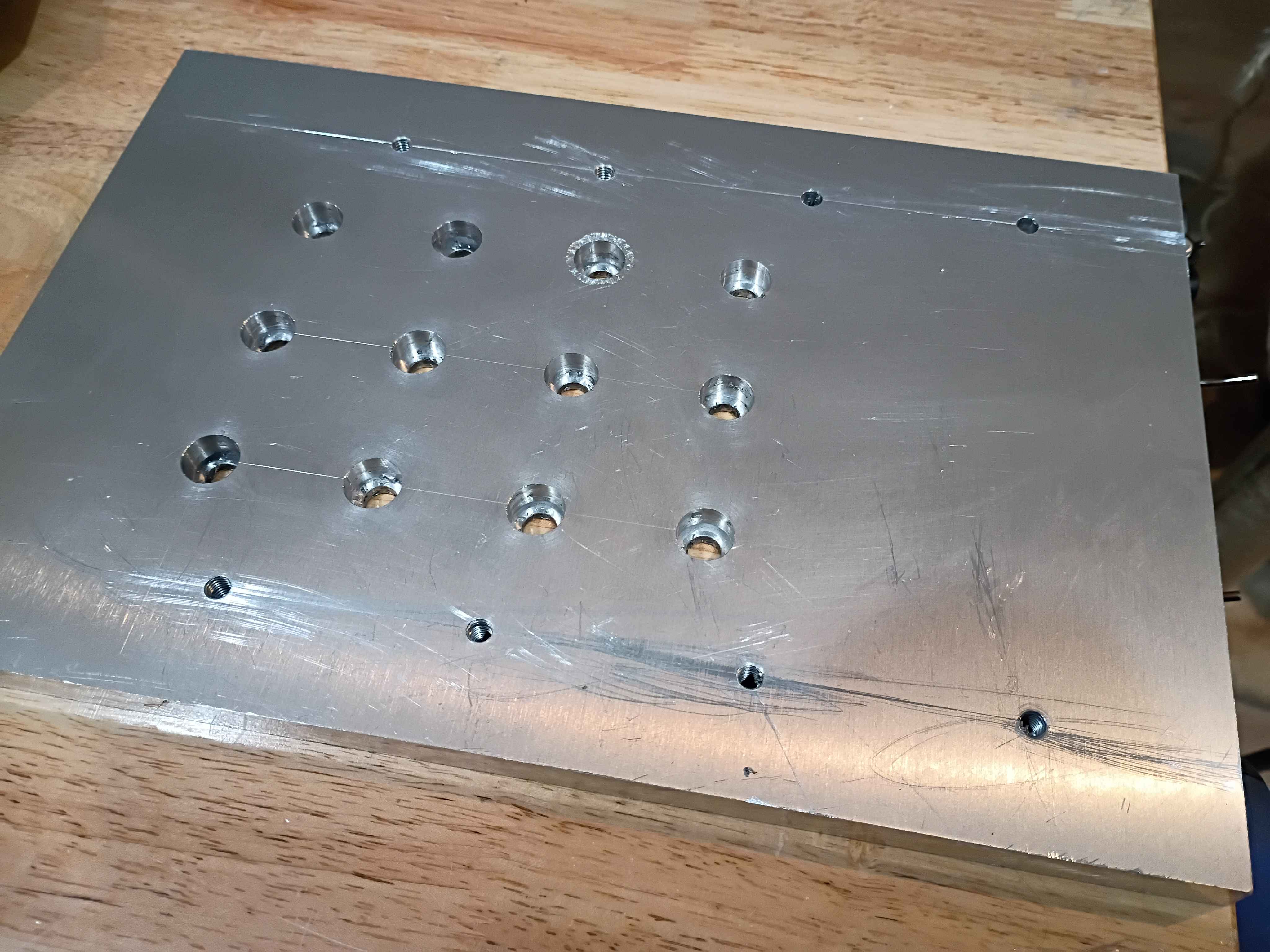
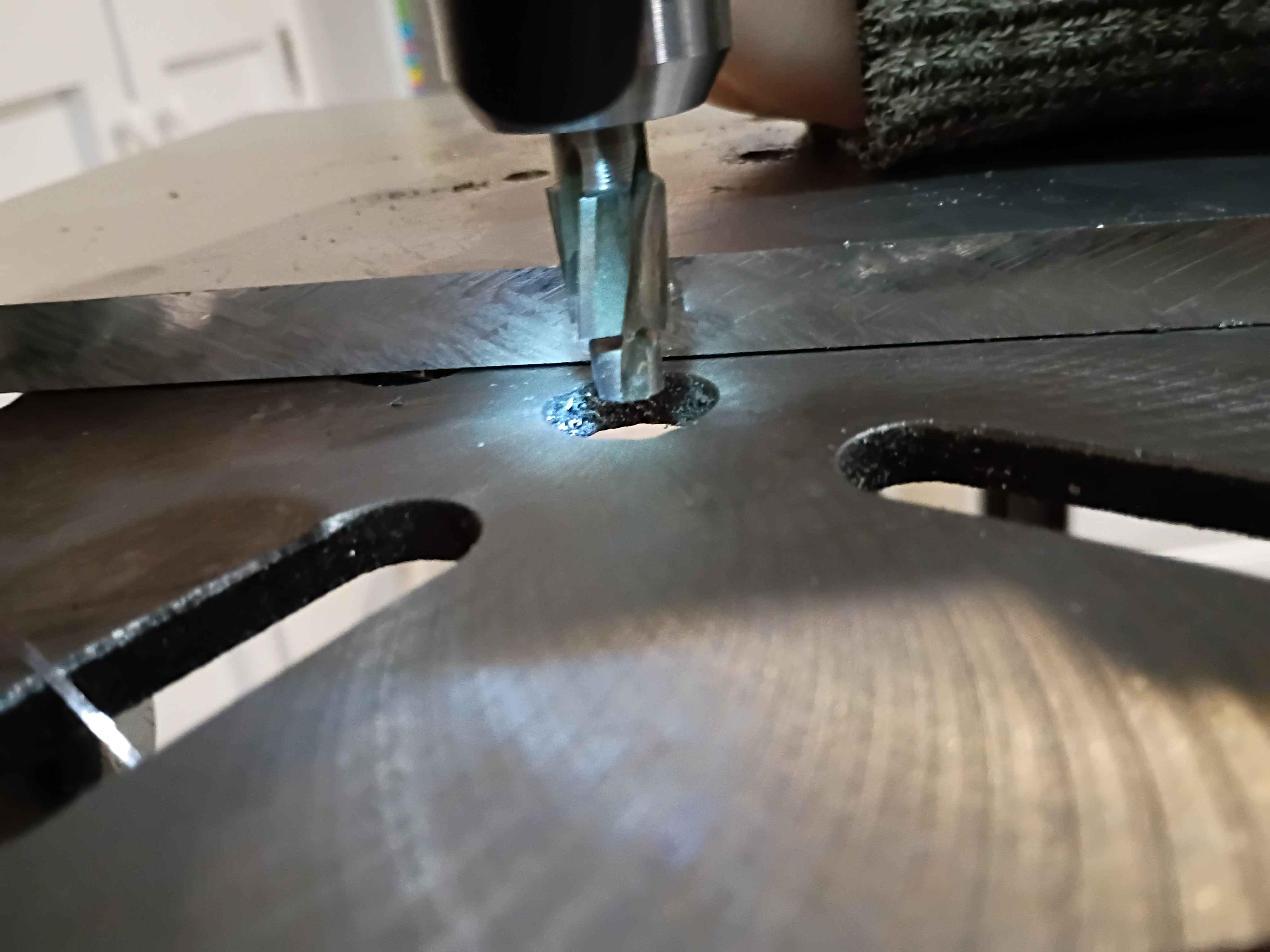
Marked, drilled, counterbored, deburred, and tapped the Z-motion mounting plate. Unfortunately I accidentally did tapped for M6 screws instead of M5, which are the largest that fit in the linear rail holes, so I will need to drill and tap another array of these outer holes, slightly offset from where I made them. Also, learned that you can depress the drill press and counterbore bit on the edge of the part to set the end stop depth appropriately, see last picture. 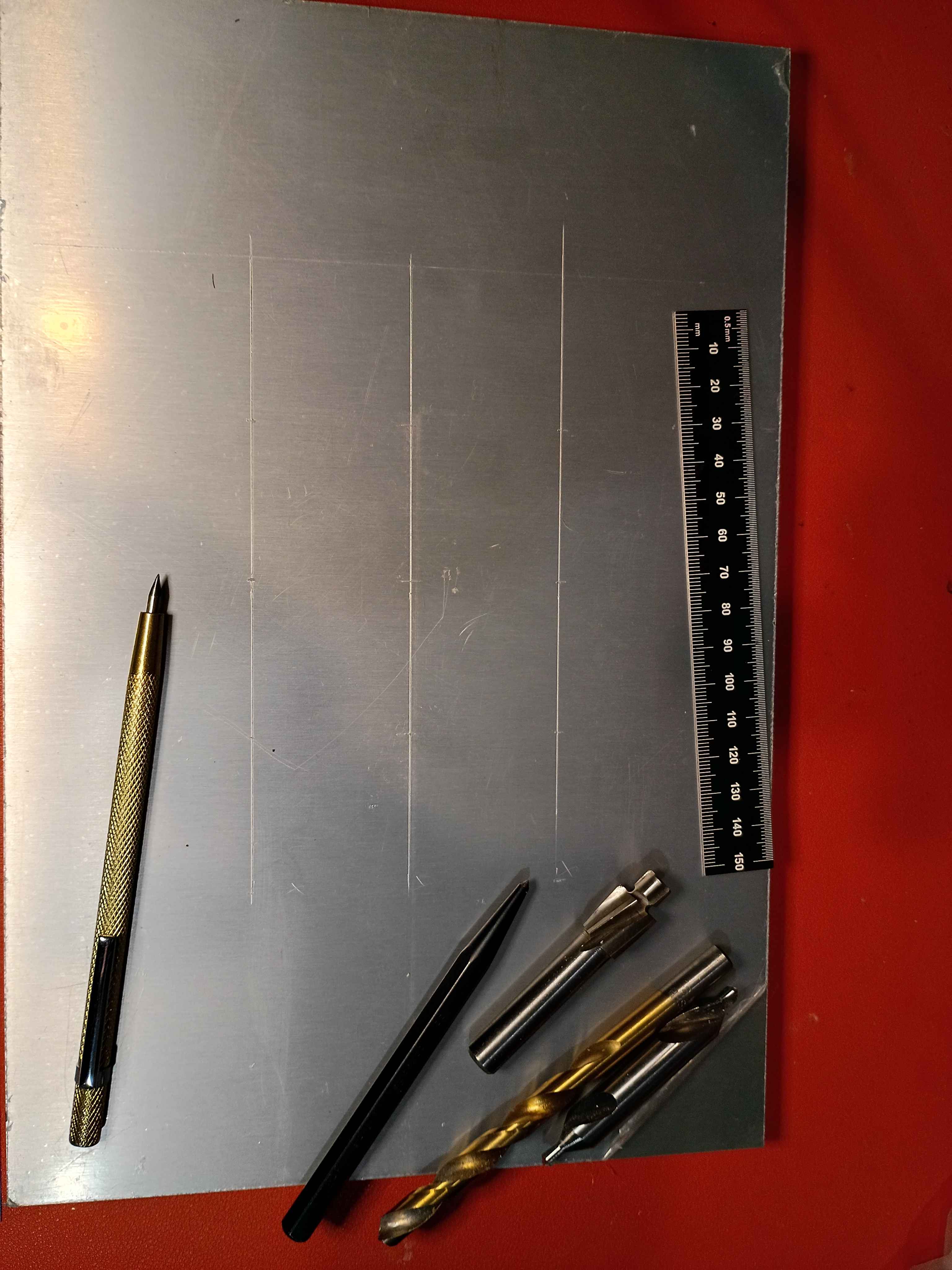
Got OBS websocket working for Twitch bot to change things on the screen. 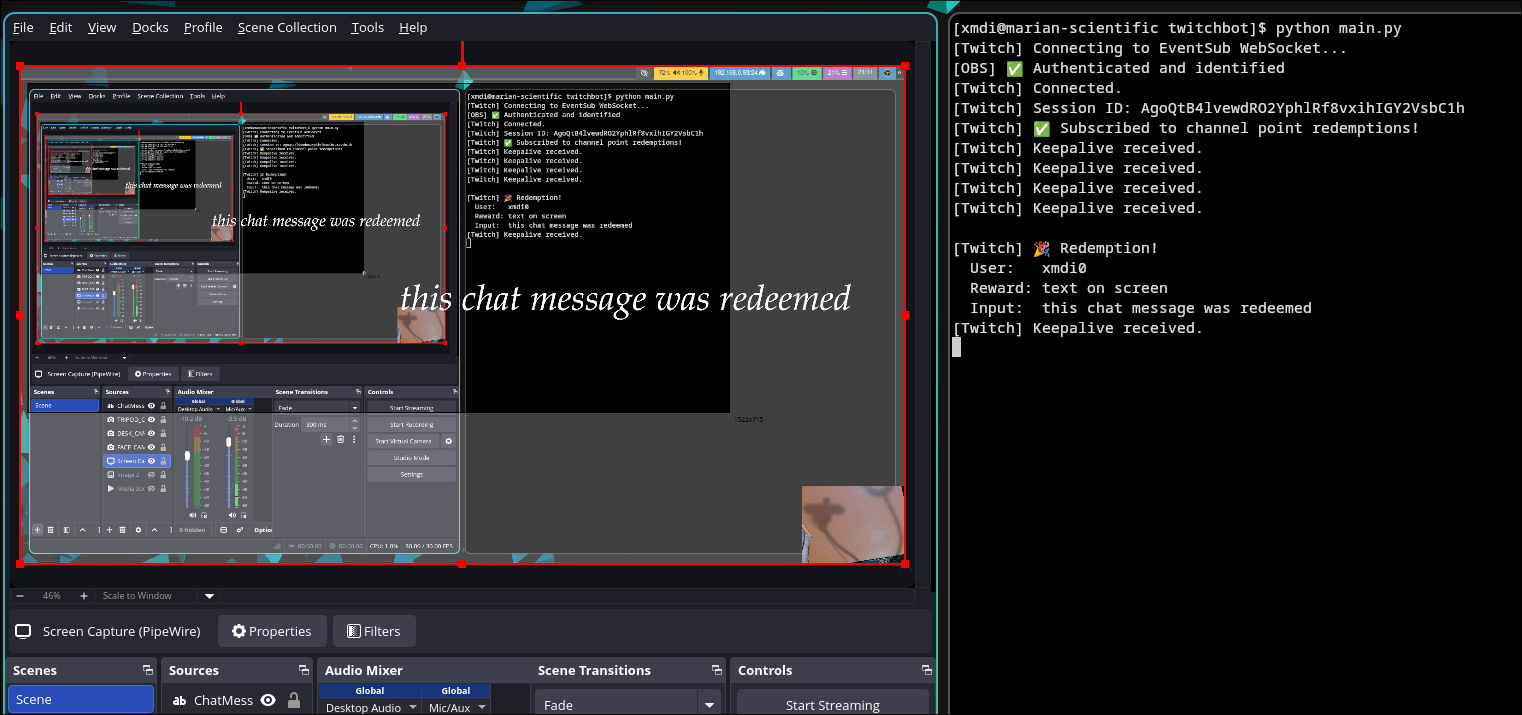
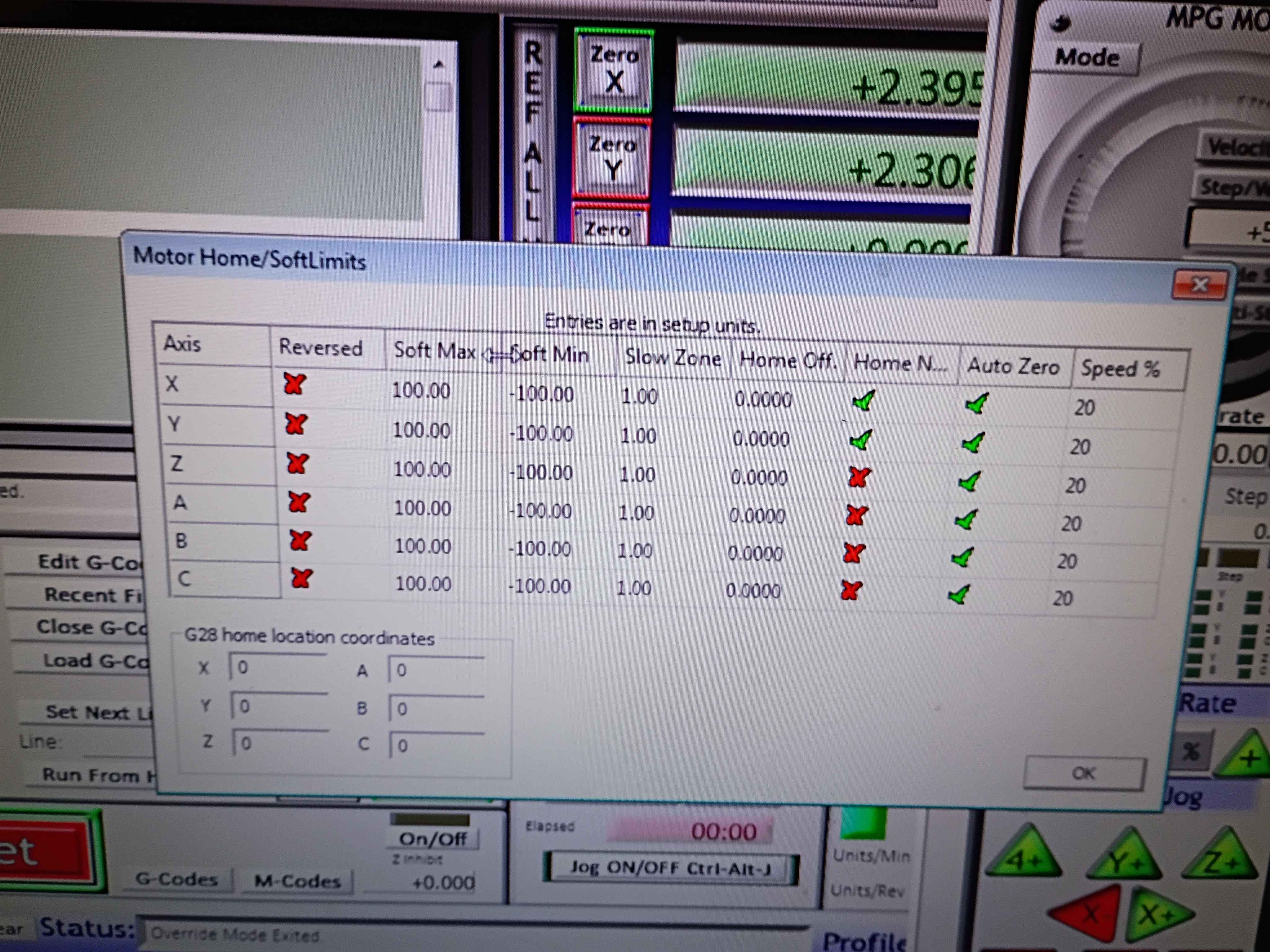
soldered and wired both y-axis limit switches in series NC between GND and the input pin. Got the Mach3 CNC software to recognize and work for both the X- and Y-direction for limit stopping and homing. The below images show the settings which were not easy to determine. See video of limit switches working. I should eventually redesign the x-limit switch mounts to get some more range of motion. Currently there is only like 3.5 inches in each direction. For future reference, Tab opens the jog menu in Mach3, the Settings tab (Alt+6) lets you override the limits to get unstuck, and the Diagnostic (Alt+7) tab shows pin states among other things. Also port 3 is the input pin port on the RNRMotion DLL and board. 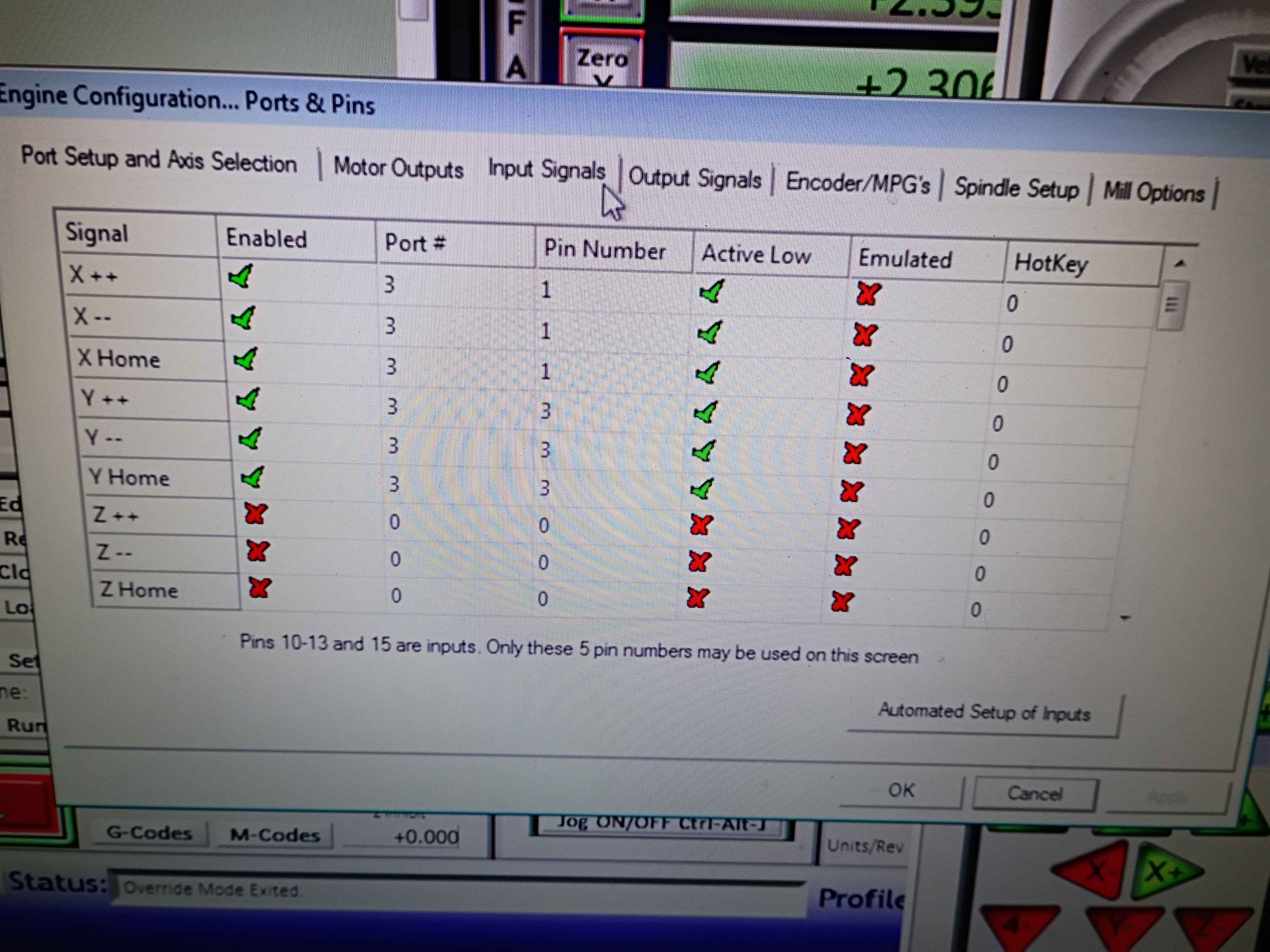
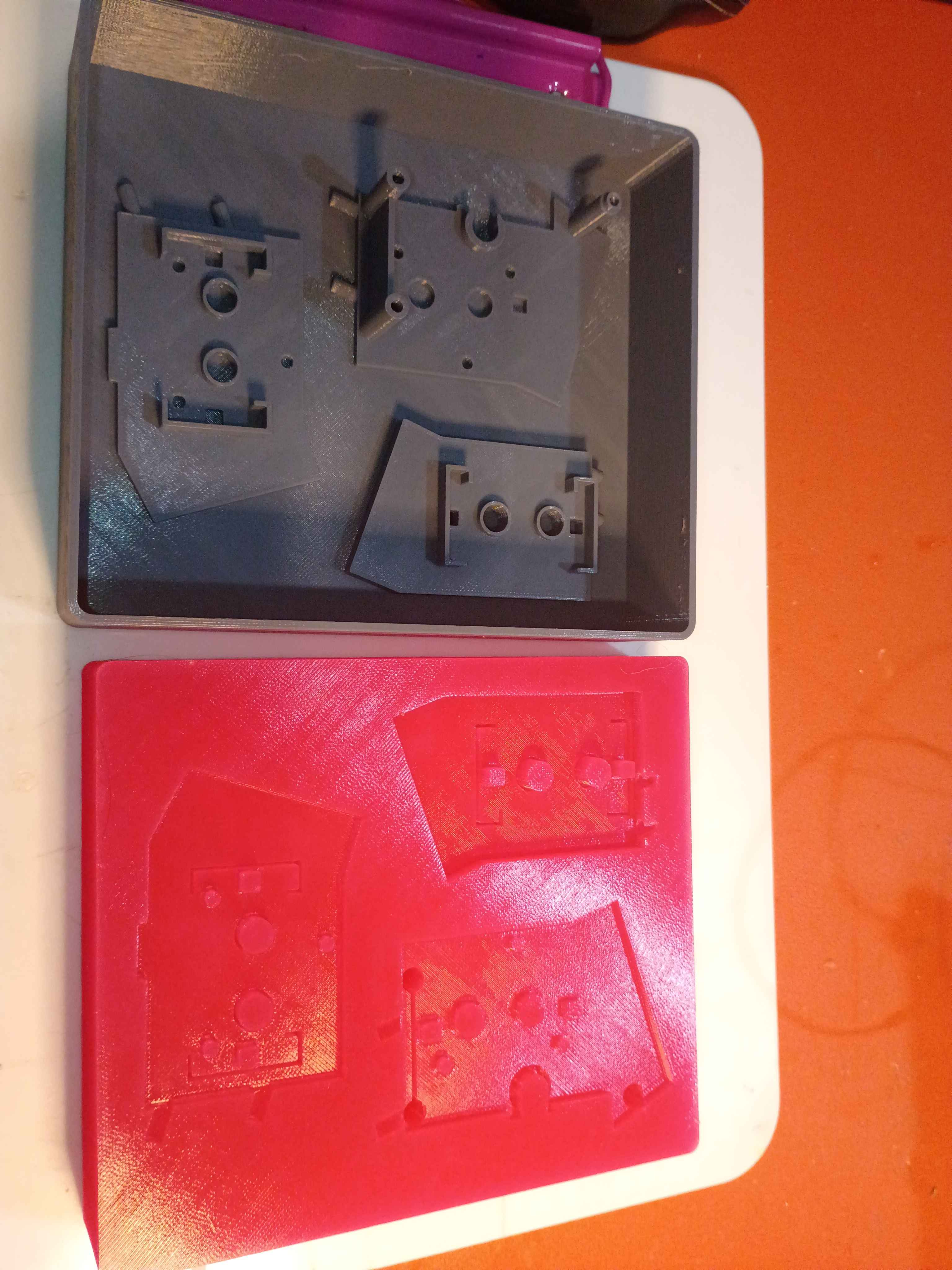
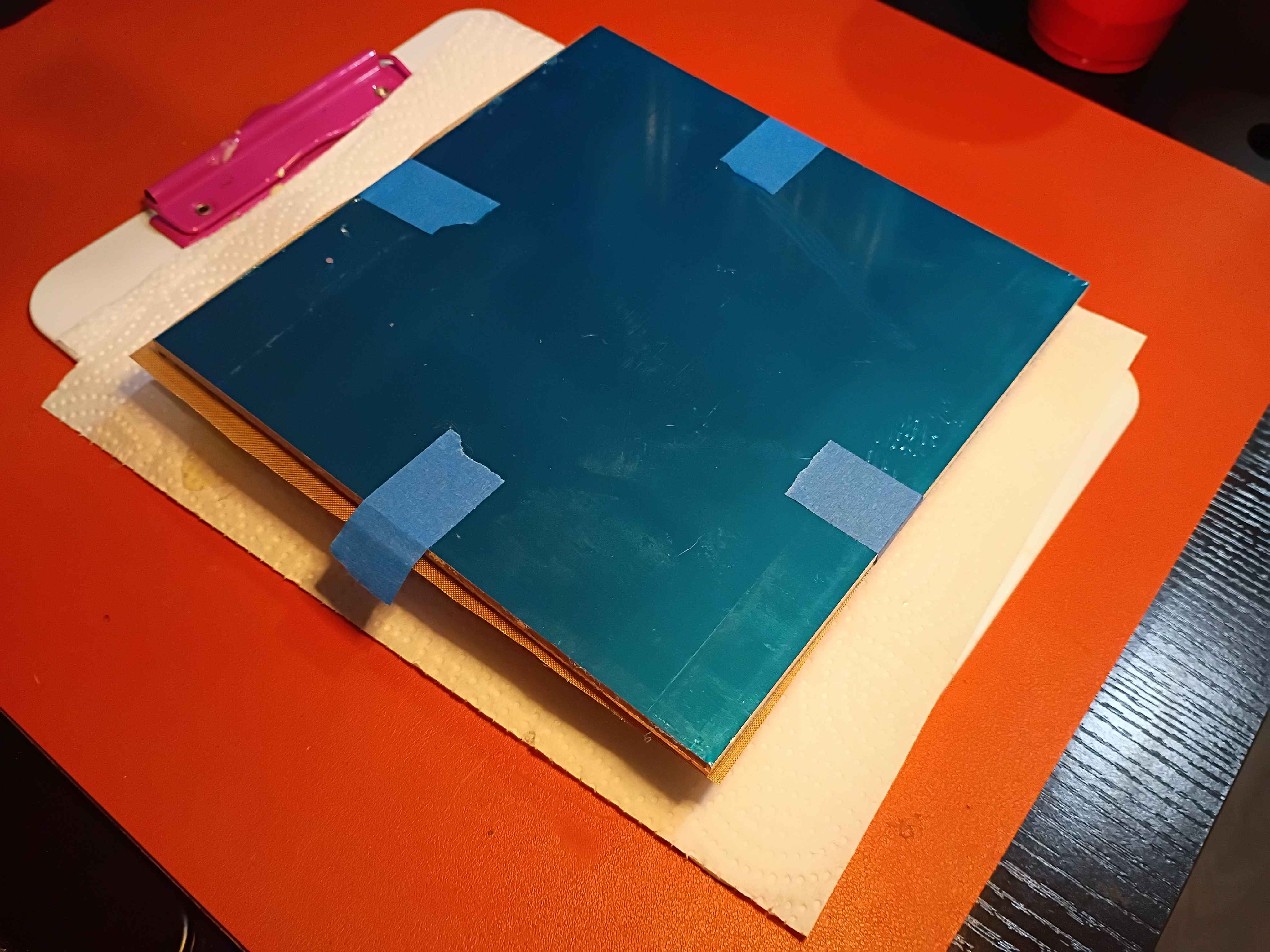
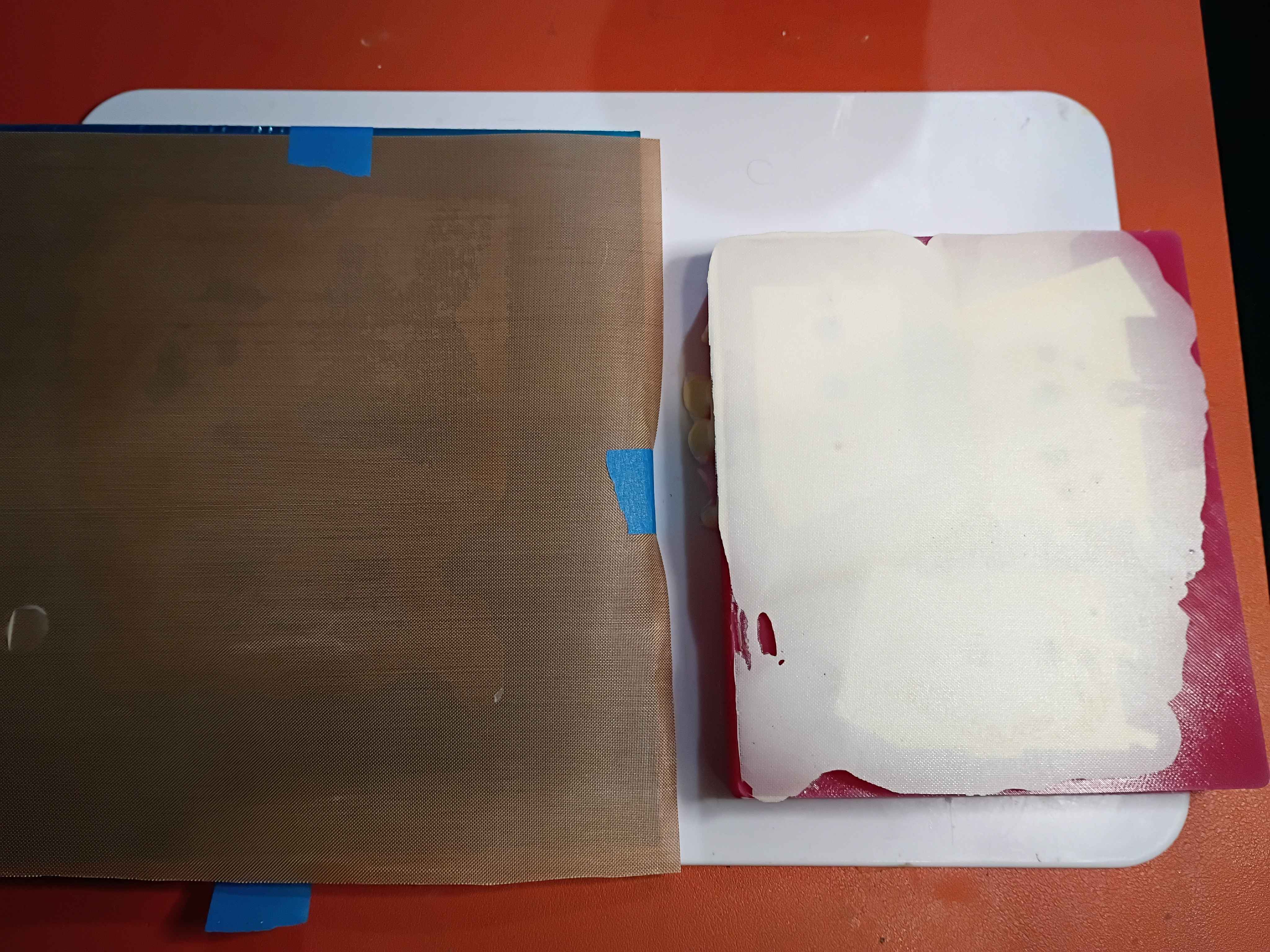
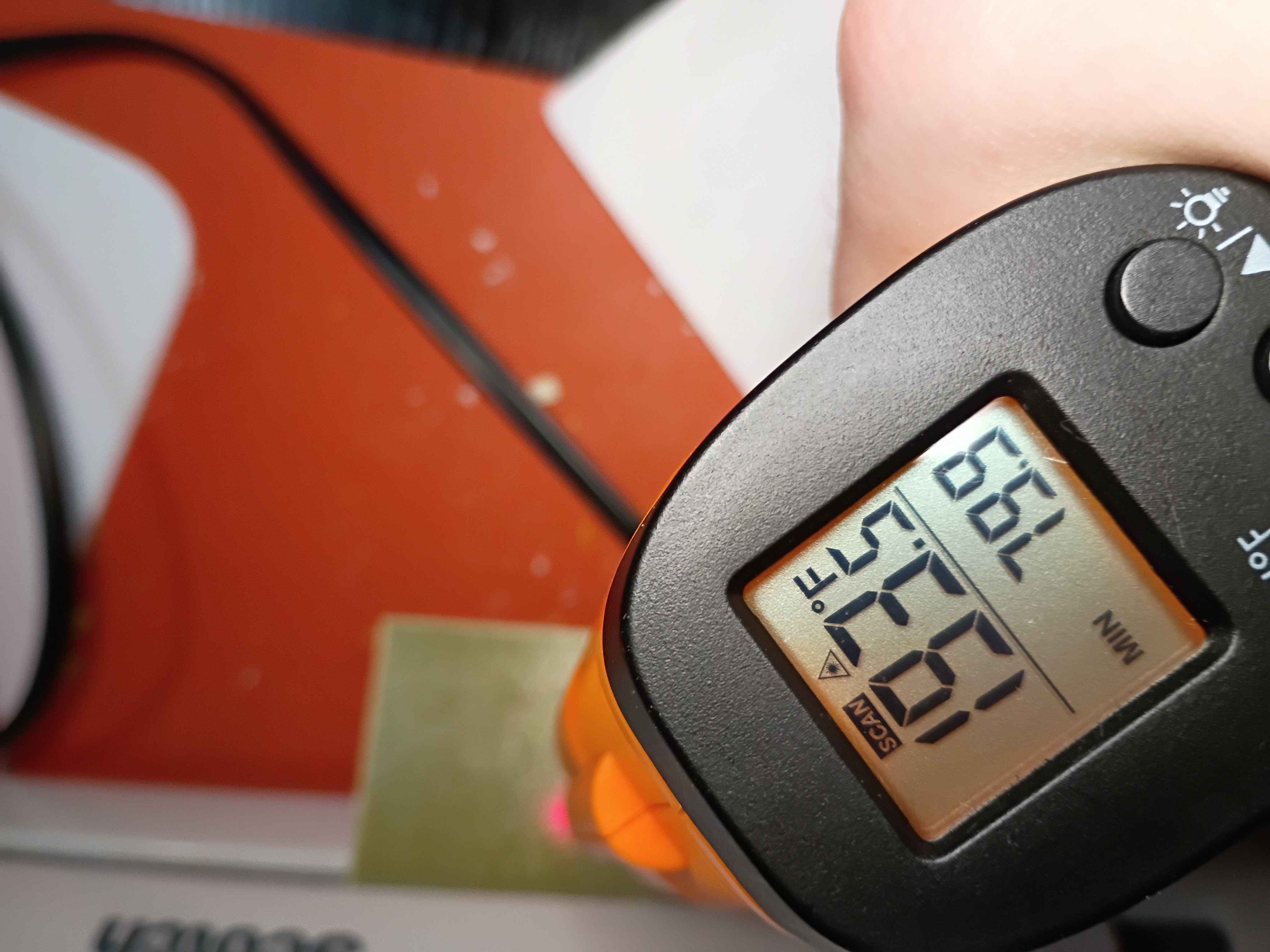
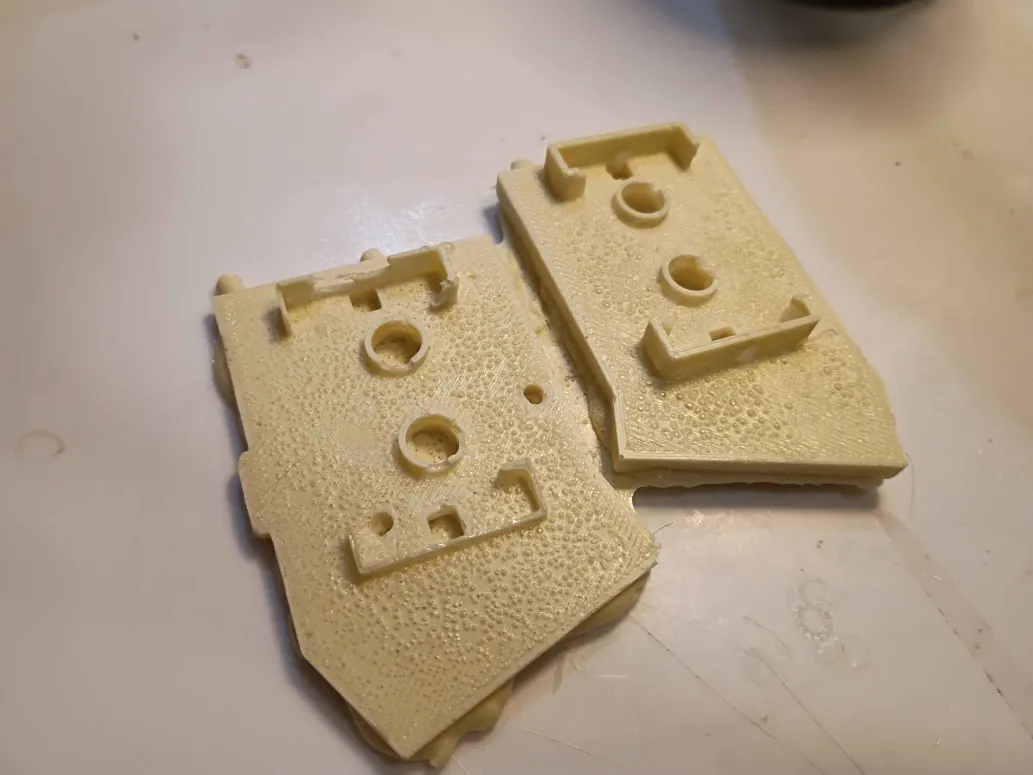
Removed silicone mold from plastic mold and casted the 3 bracket pieces. Used a Teflon mat against an aluminum plate as an upper caul surface which worked amazingly, though it did add roughly .4mm to the part thickness. Demolded the brackets and cleaned them up with pliers and drilling. Glued the two-part piece together and filed them down as necessary to fit in the laminator. Was very lazy when installing these pieces in the laminator, and did not want to cut any wires and thread them thru. In the future I should put removable connectors on everything instead of solder. Eventually got the laminator mostly back together, also due to the size of the left hand bracket it did not close completely. Either way, it does manage to heat up PCBs to close to 200 degrees Farenheit. I also should have made 3x separate silicone molds, as it would have saved a lot of silicone. In addition, some small features at the bottom of the mold cavity did not resolve properly or at all likely due to bubbles remaining on the bottom. This could be fixed by having larger features at the bottom, degassing the polyurethane (hard because pot time is only 2 minutes), or vibrating the mold during cure. Otherwise this entire process was a pretty good success. 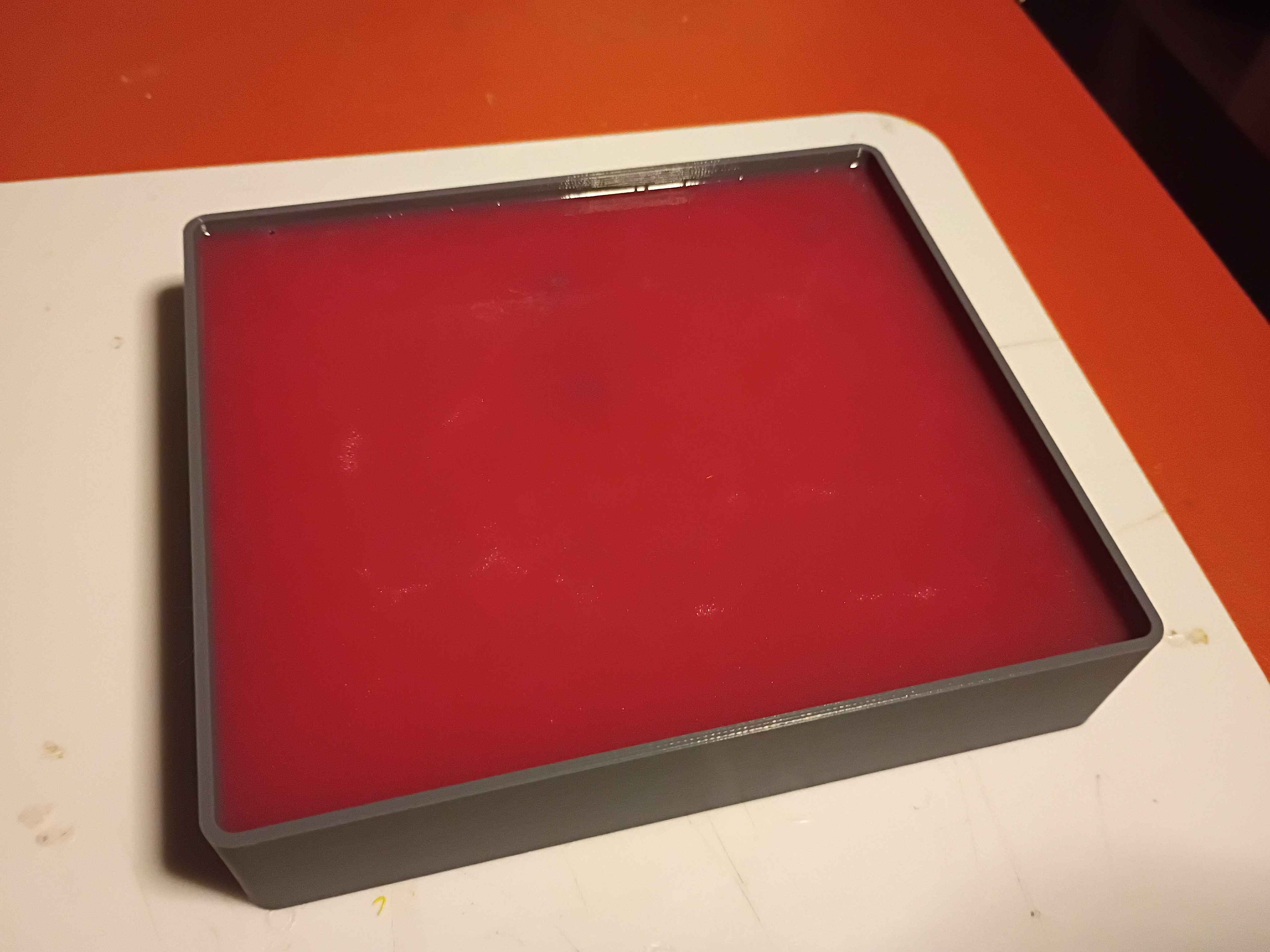
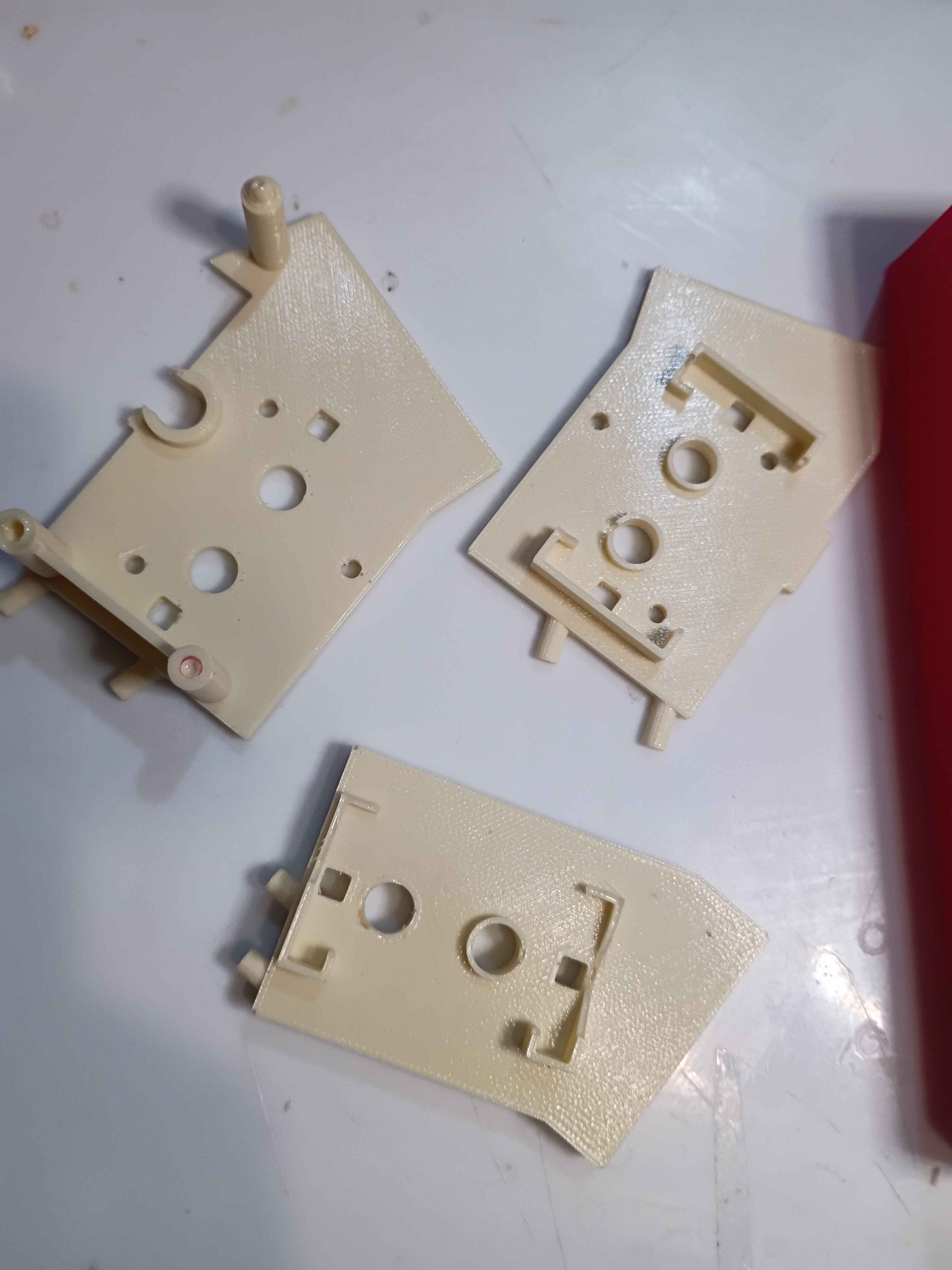
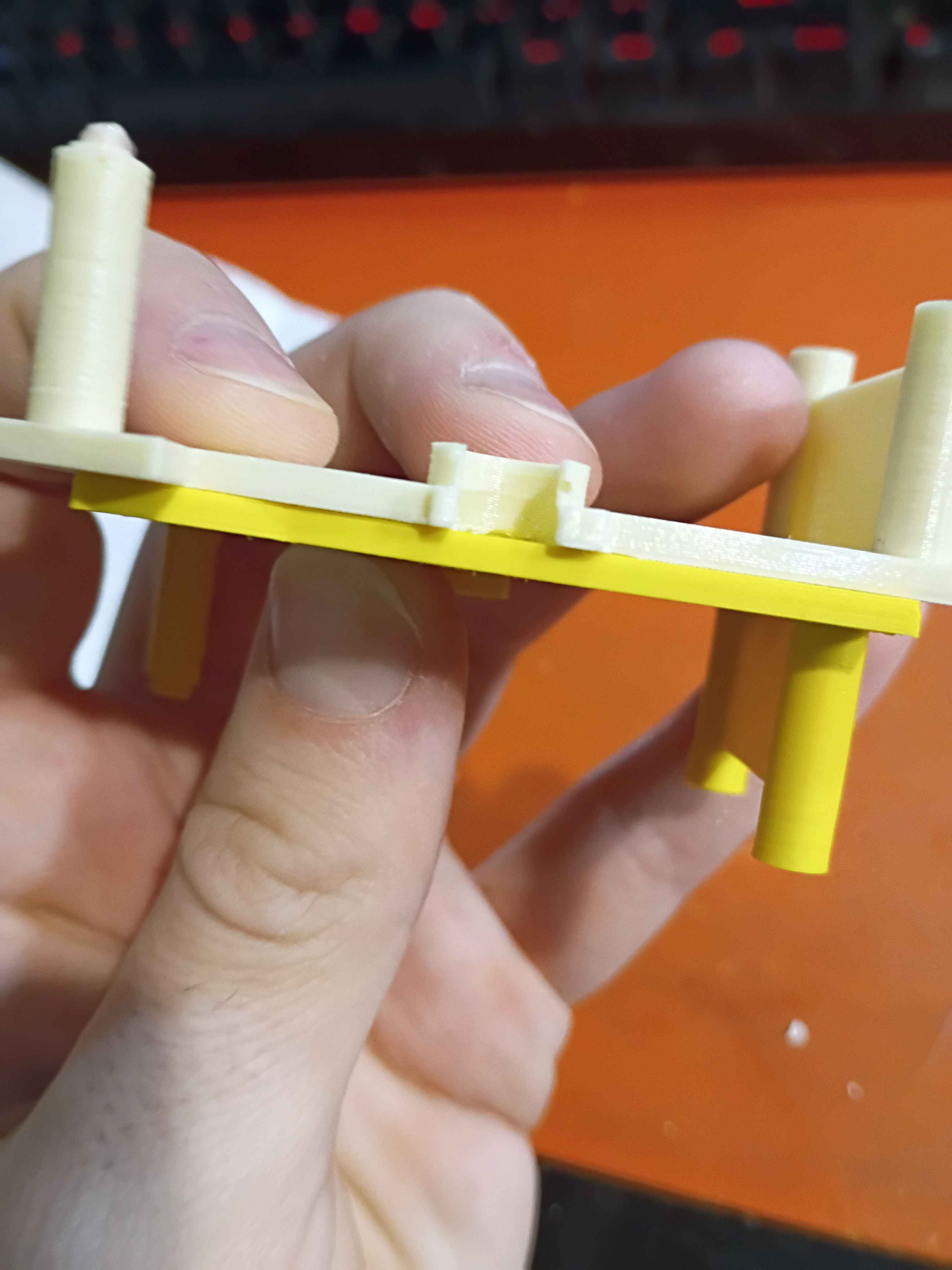
Redesigned and printed 00001-010A. Installed limit switches (unwired), and used friction and hot glue to install both side brackets onto the ball screw support blocks. 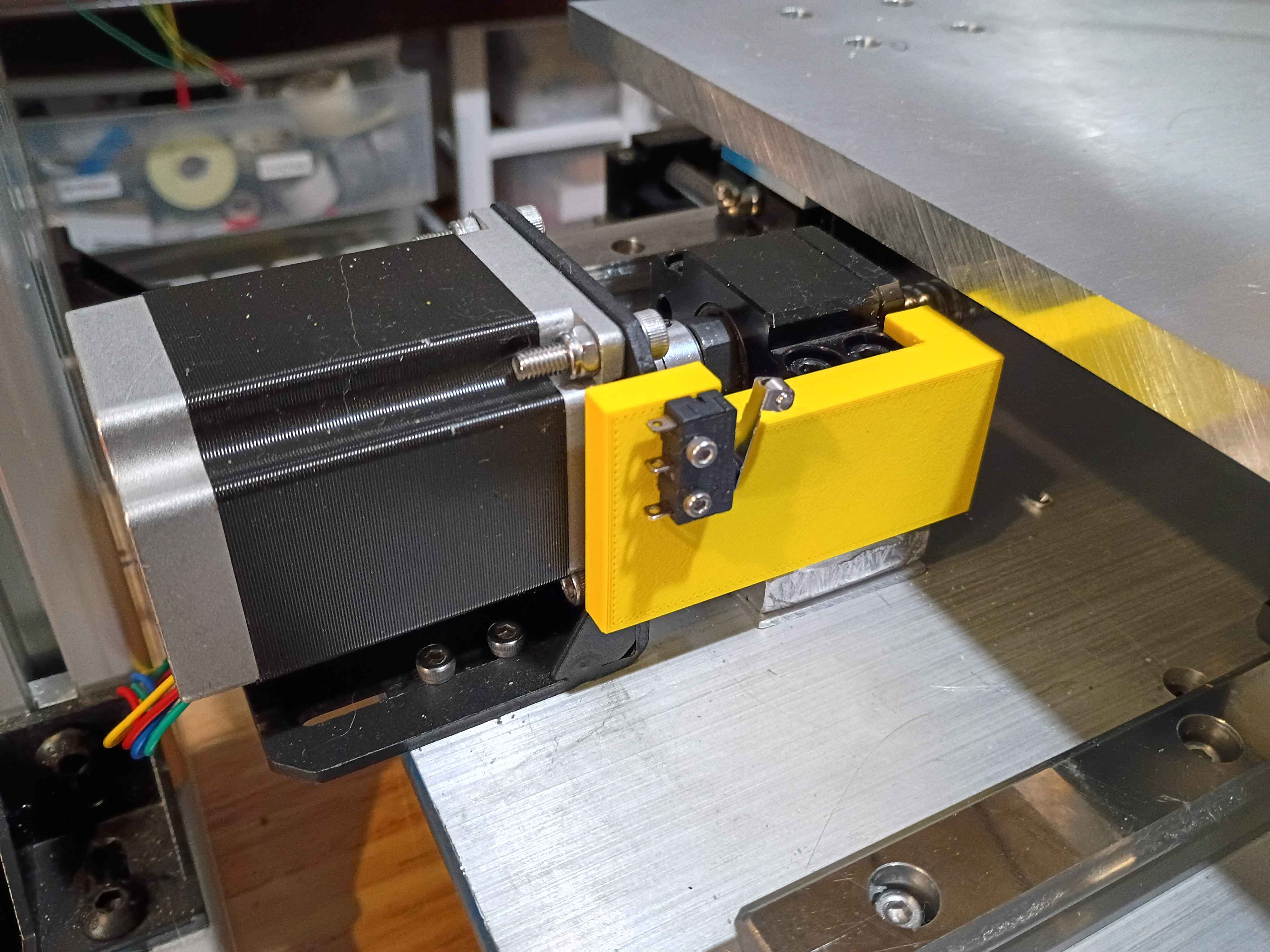
Printed the 00001-009 and installed limit switch successfully into position (unwired currently). Fits perfectly. Designed and printed the opposing 00001-010 part. 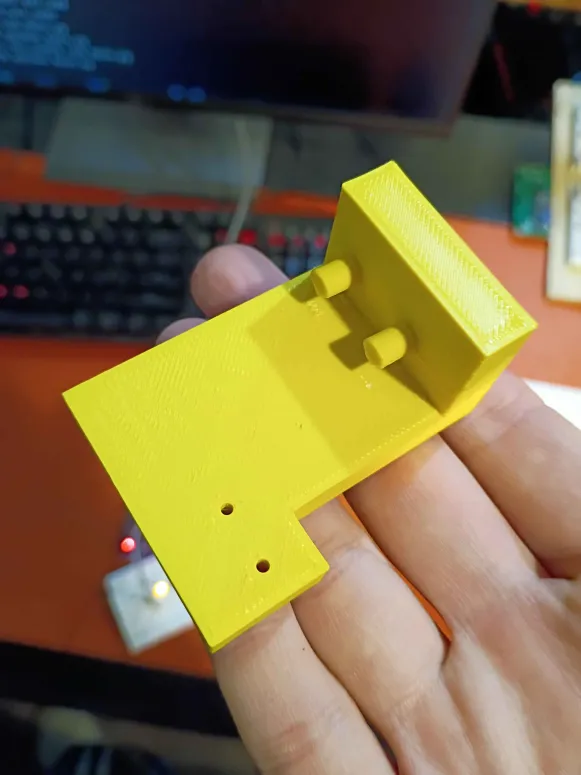
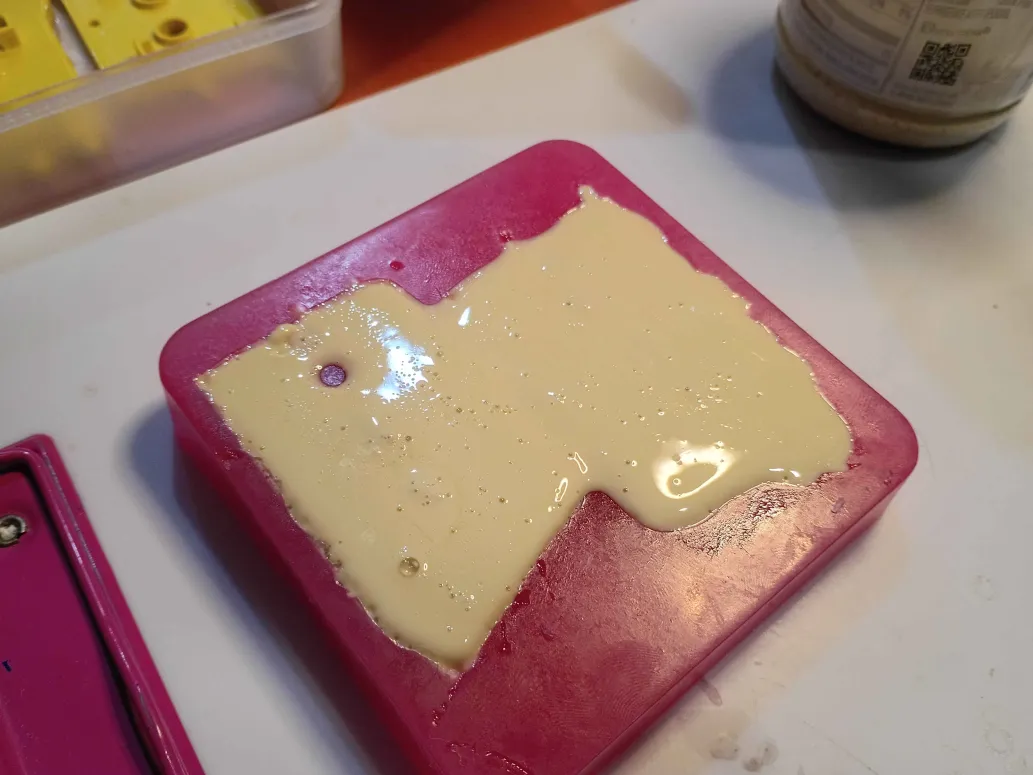
Printed 43001-001T1 mold for negative silicone mold, to eventually be used for heat-resistant polyurethane. Cast the silicone mold. 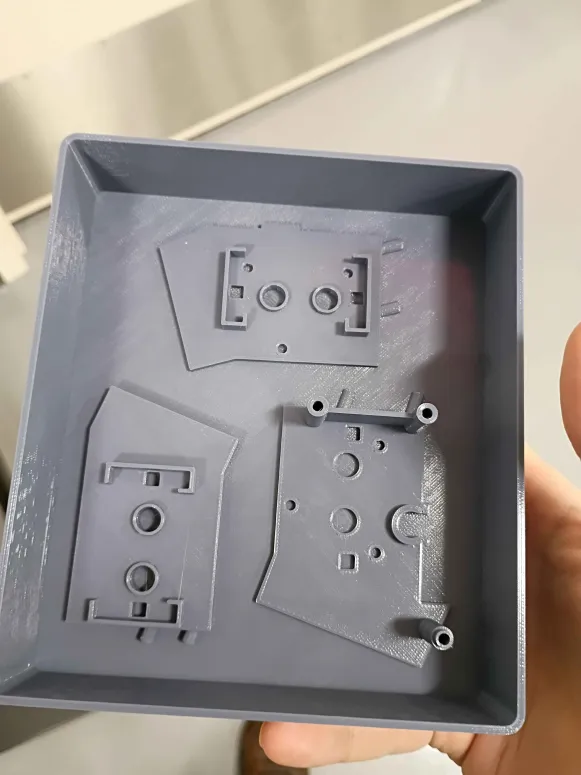
Contributed 2 examples (Python and C) of basic PC-GPIO control using FT232H USB breakout to the sandbox. 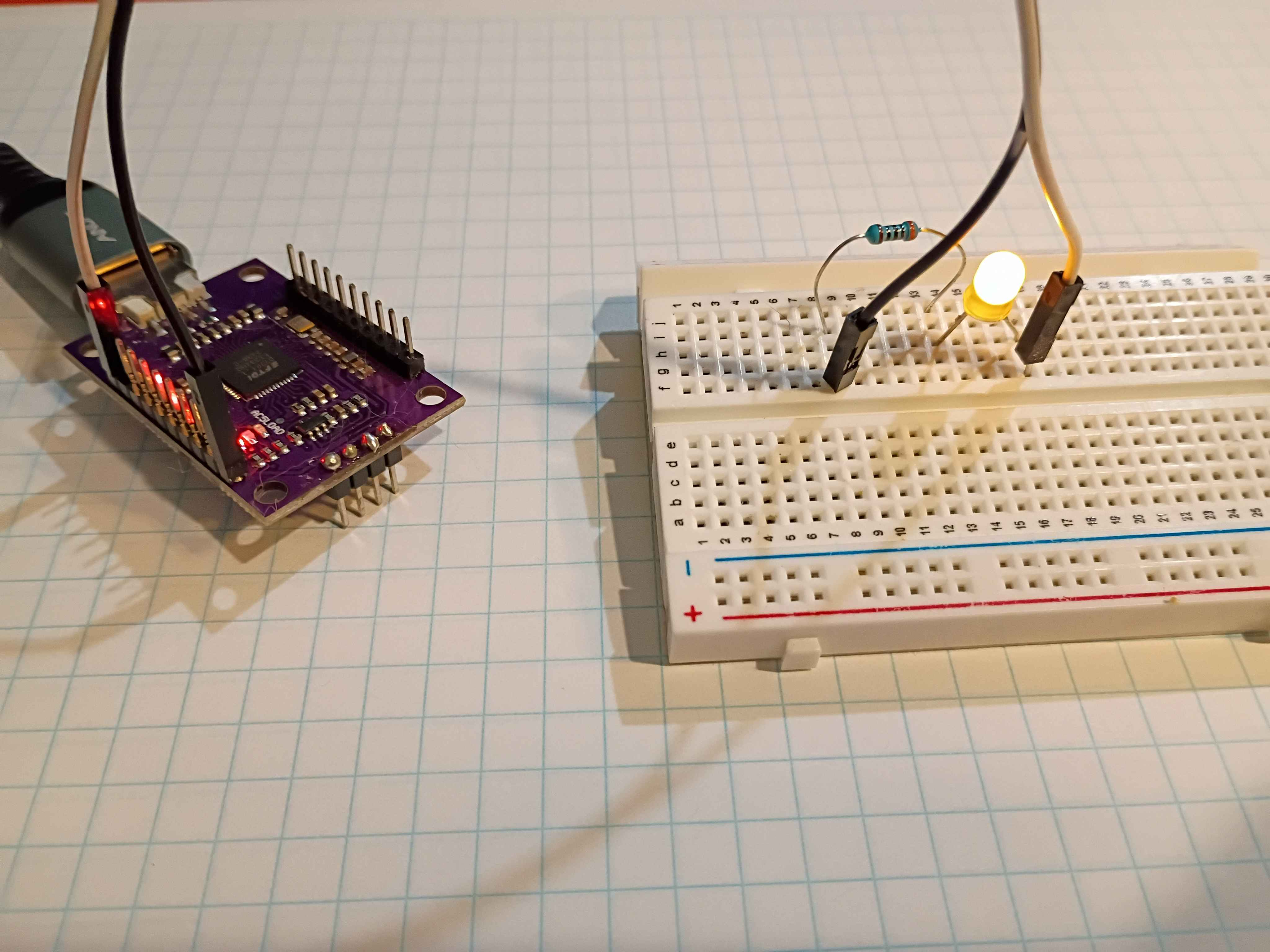
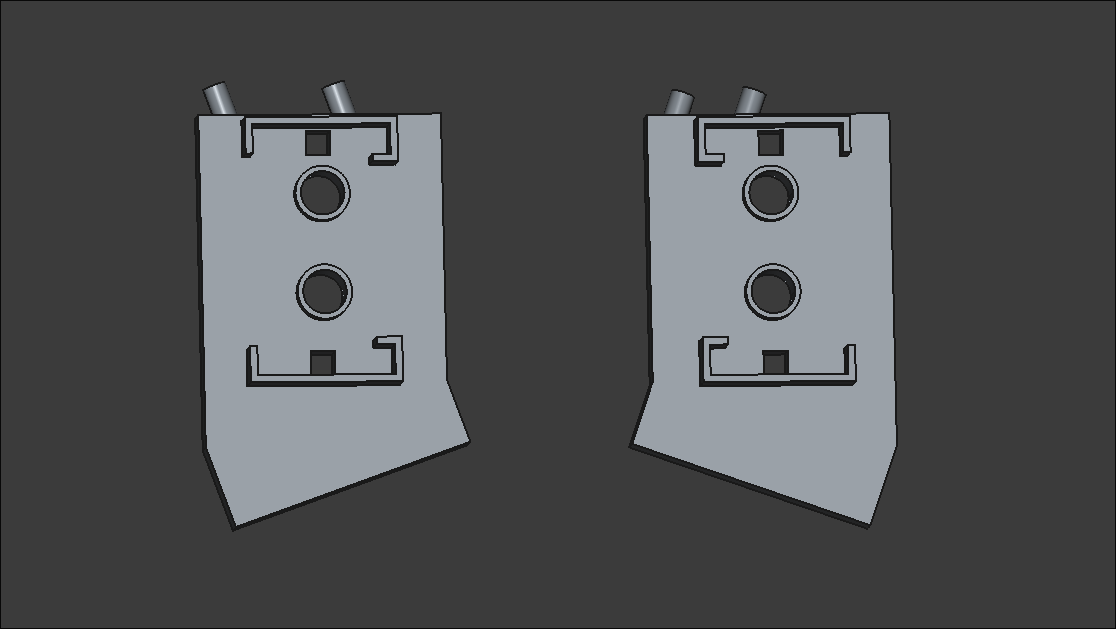
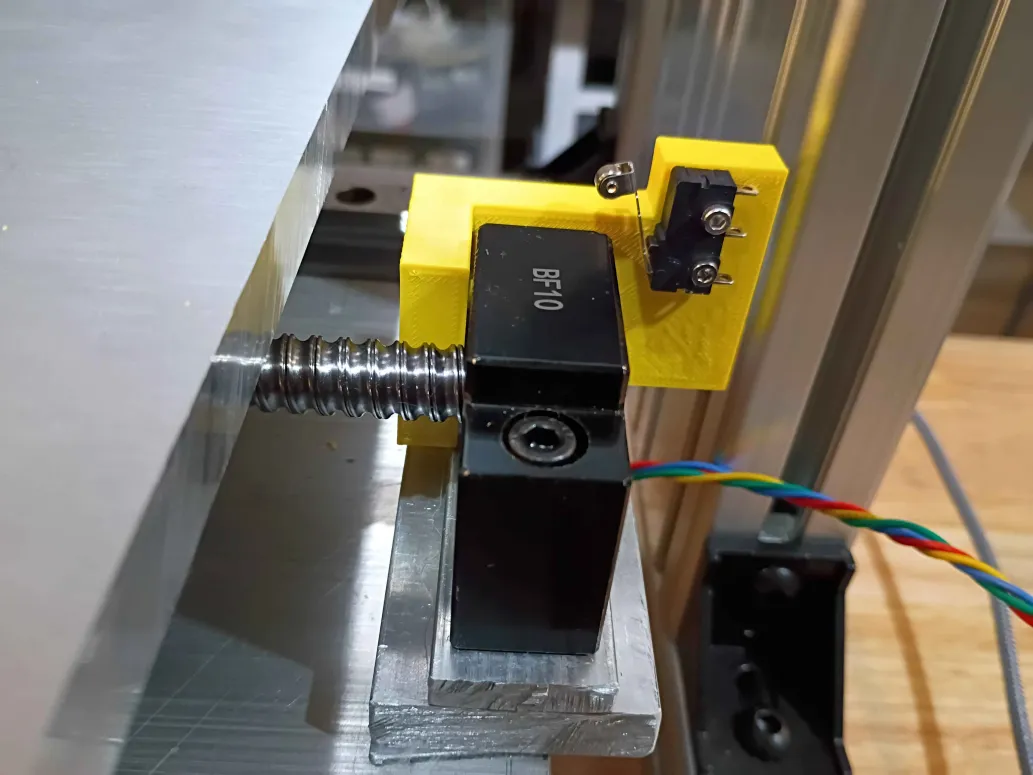
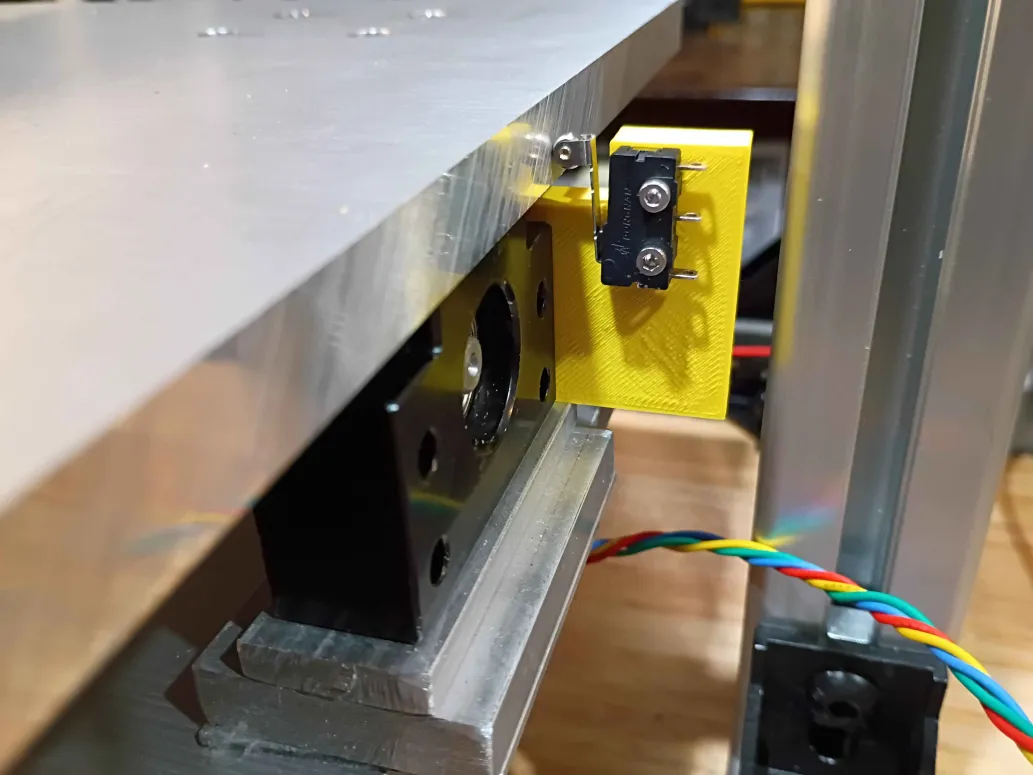
Redesigned limit switch bracket with cutaway for gantry motion. Printed in a different orientation to enable stronger pegs. Will be installed in the opposite orientation shown in Figure 2 below. Currently another design iteration is being printed that maximizes the range of motion along this axis. Due to the asymmetry on the ballscrew supports, a unique but similar part will be required on the opposing side. 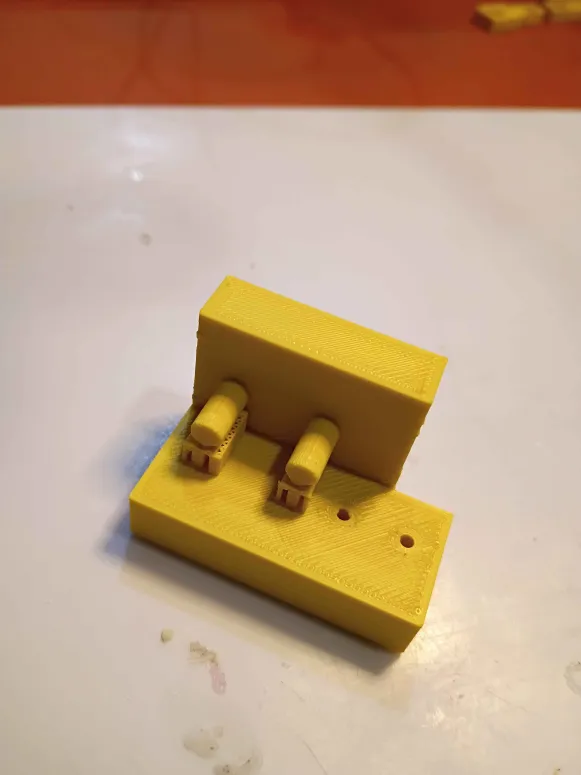
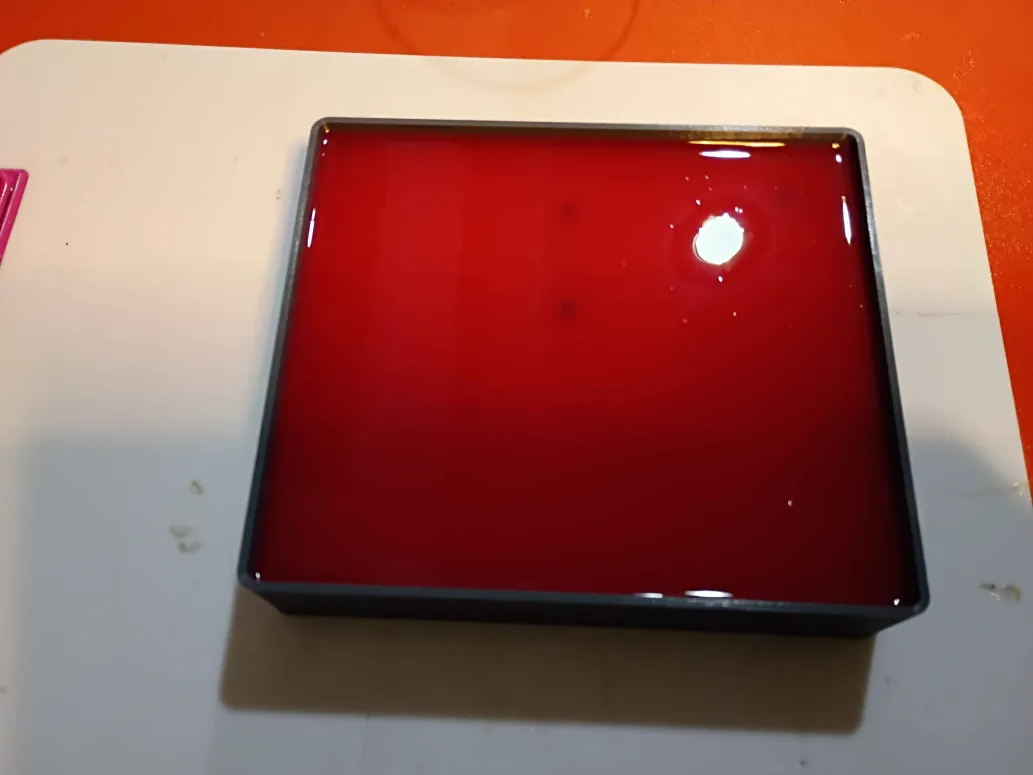
Demolded negative silicone mold, cleaned up edges using razor blade and tweezers. Note that for open-top silicone molds, it is important that there be no way for silicone to find its way between the part and the 'bottom' of the mold. Poured Smooth-On Task 8 heat resistant polyurethane resin into the mold, and it cured in around 10 minutes, getting quite hot in the process. The parts turned out as well as one could expect for a first attempt and a pretty mediocre silicone mold. The parts filed extremely cleanly. The parts did bulge at the open faces, but that is relatively easy to sand flat against a file. I noticed a small geometrical error and decided to design a full 1-piece mold-box combo for all the 3 parts, to be printed tomorrow. 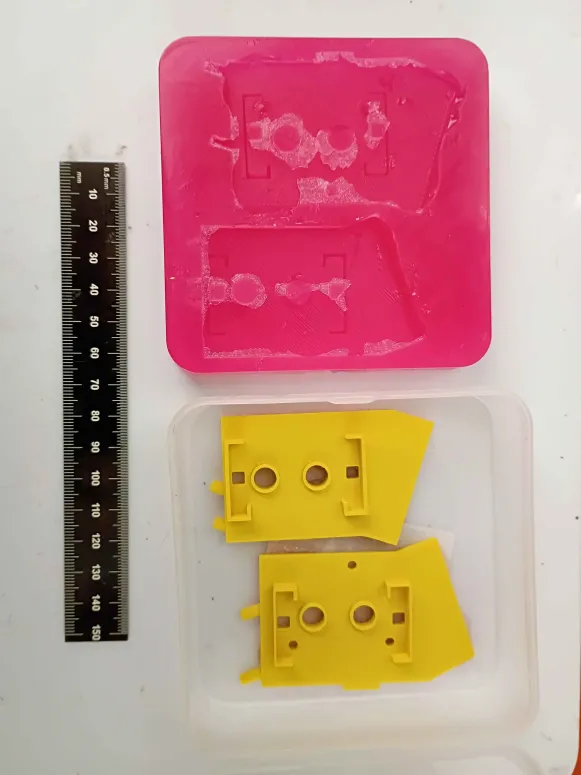
Designed and printed first iteration of y-axis limit switch brackets (00001-009). Found 3 geometric characteristics that needed to be revised, and submitted another overnight print. 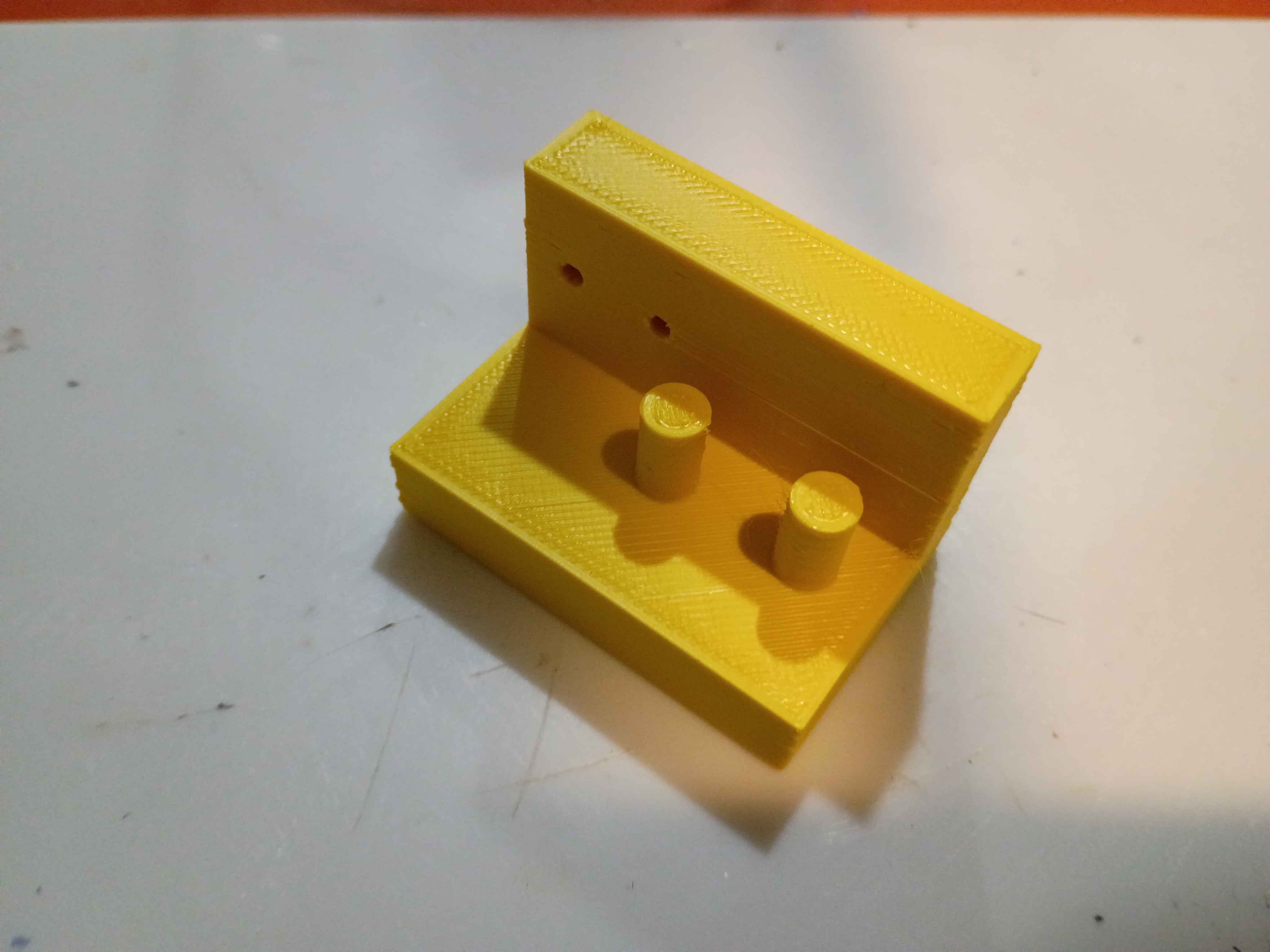
Started silicone mold for heat resistant polyurethane bracket components that hopefully won't melt in the laminator. 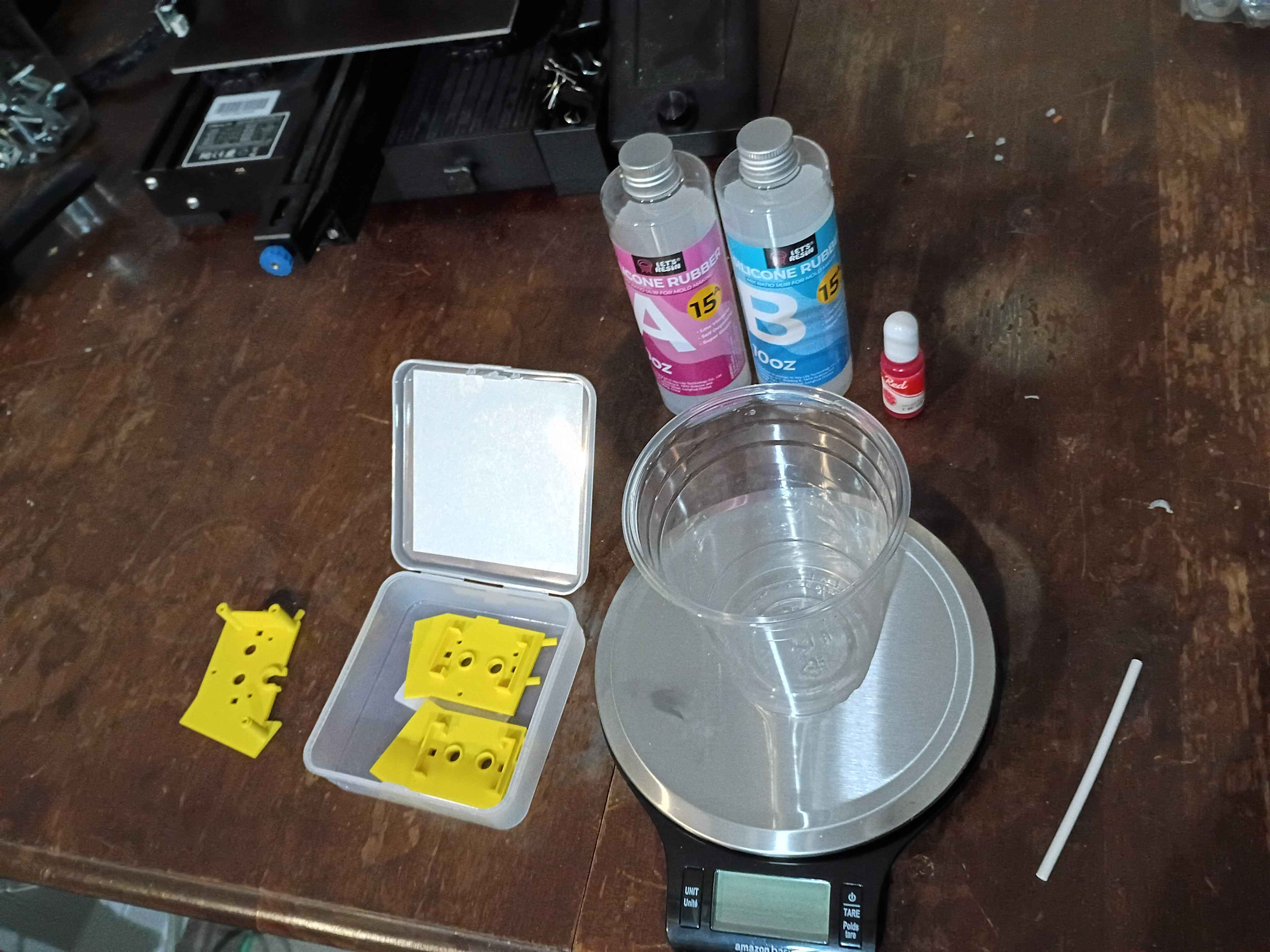
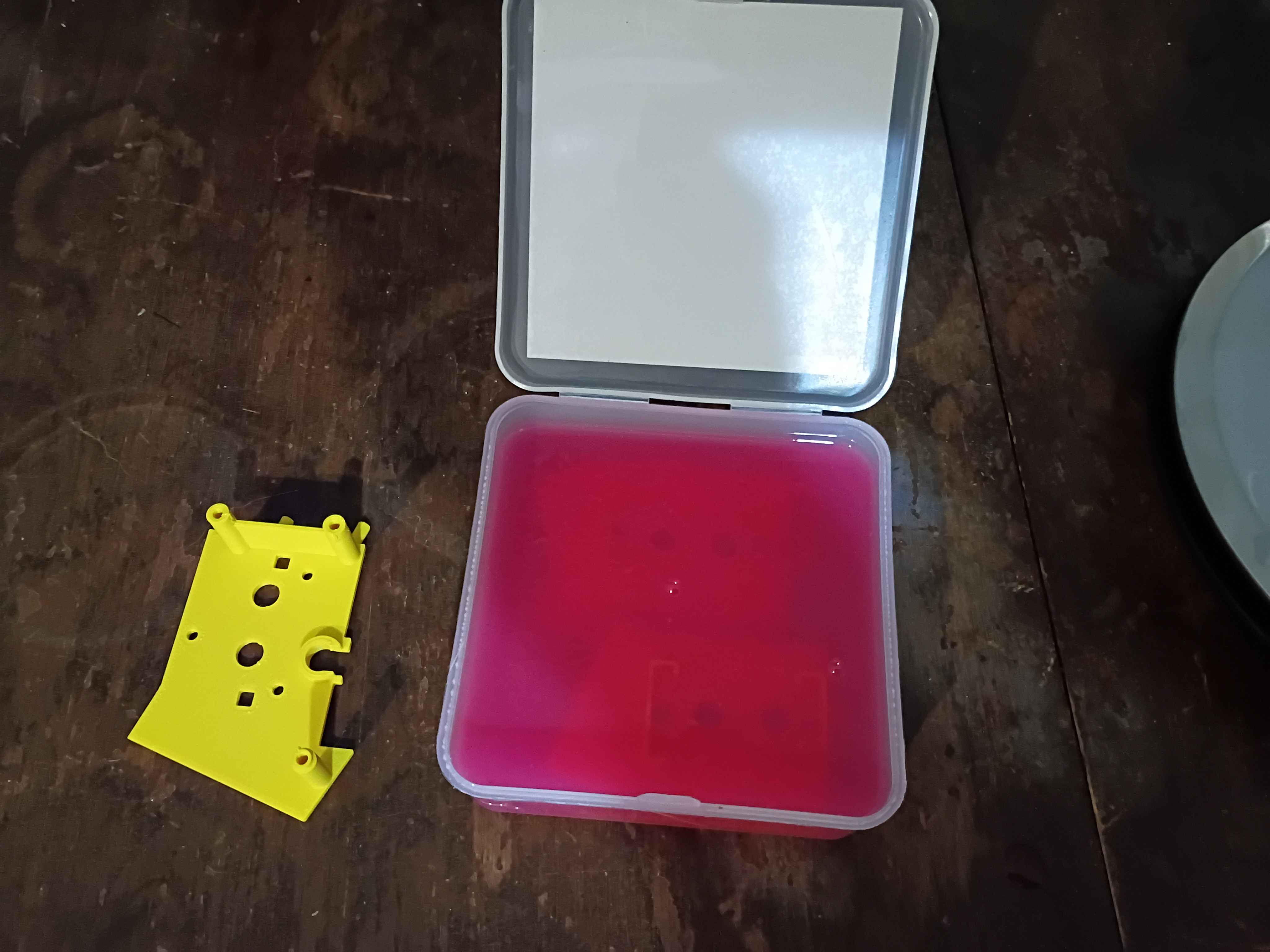
Set up & tested basic camera and Twitch redeem bot basics for livestream interaction. Fixed minor bug with Mary-Bot. 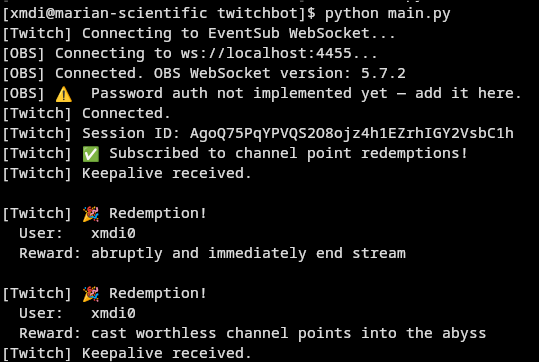
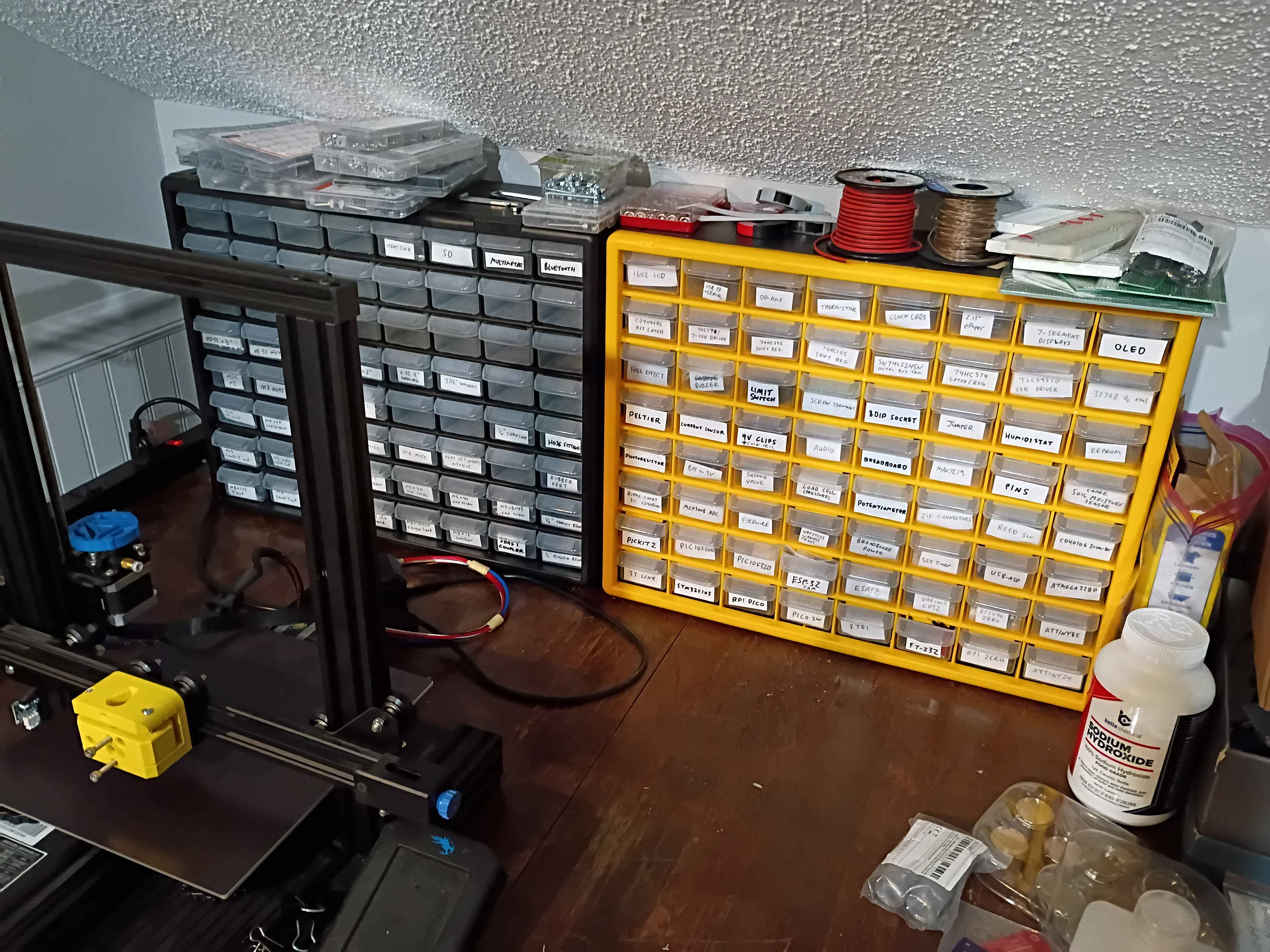
Redistributed all electronics components after recent acquisitions. Also set up a pretty good 3-camera set up for streaming and cleaned the majority of the workshop. 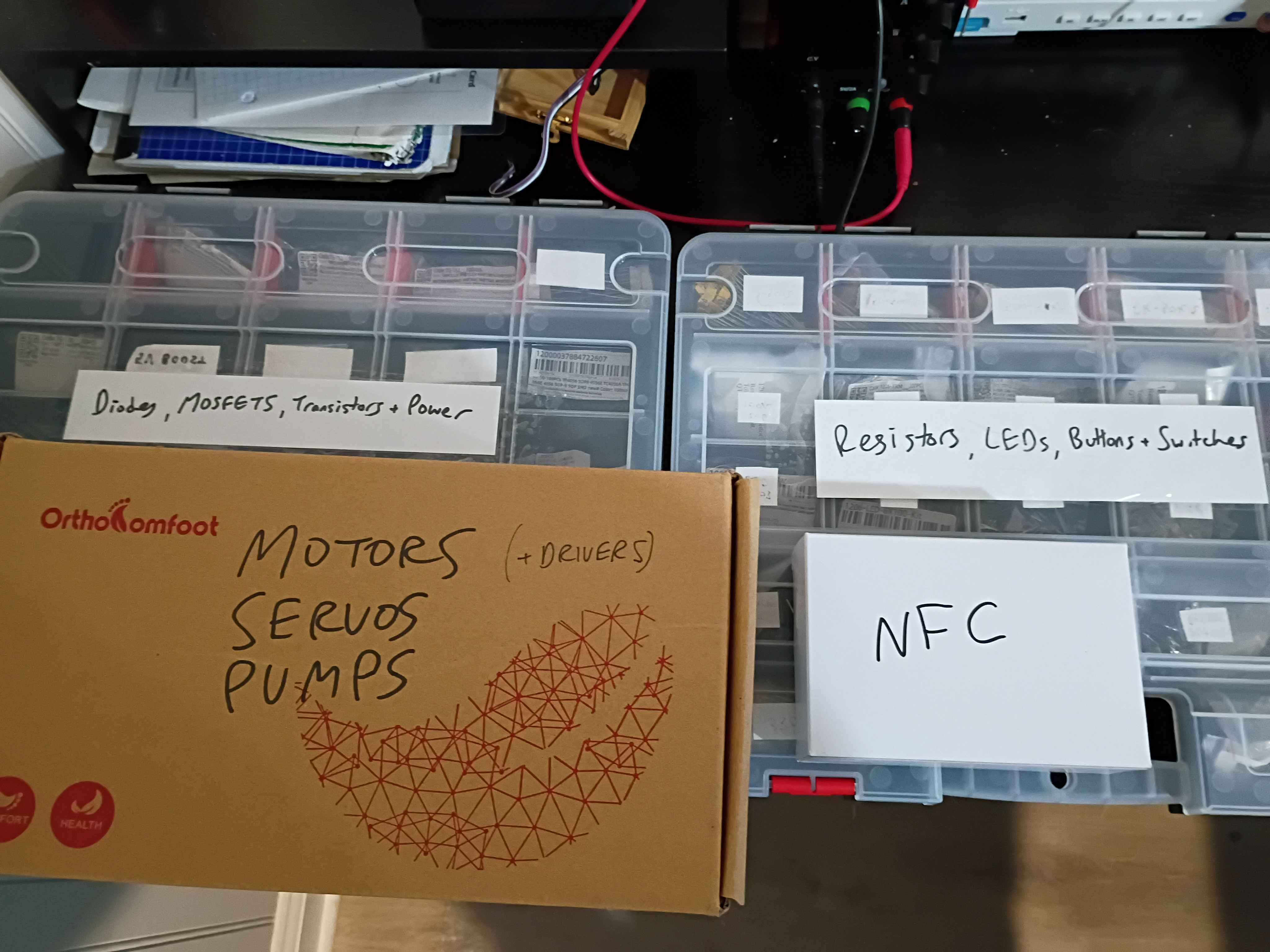
Added depth component to the Pentecost-Pursuits initiative via Mary-Bot.
Wrote the Readme page on the MS project repository. This contains a short description of MM1 Minute Hand and the challenges faced when developing the project. The description of the MCU program is attached to the Readme as well.
Wrote the Readme page on the MS project repository. This contains a short description explaining the aim of 03003. Also the description of the MCU program for this project was also added to the Readme.
Contributed to the MP09 Wiki. Added a list of the commonly used footprints for reference.
Contributed to MP09 Wiki. Wrote and Posted the PCB Design Process page.
After a lot of floundering, determined a reasonably effective way of desoldering thru-hole components. Insert the board inverted in a vice and heat them up while pushing the exposed pin down thru the hole. A solder wick is useful to remove the bulk of the solder before attempting to push the leads thru. 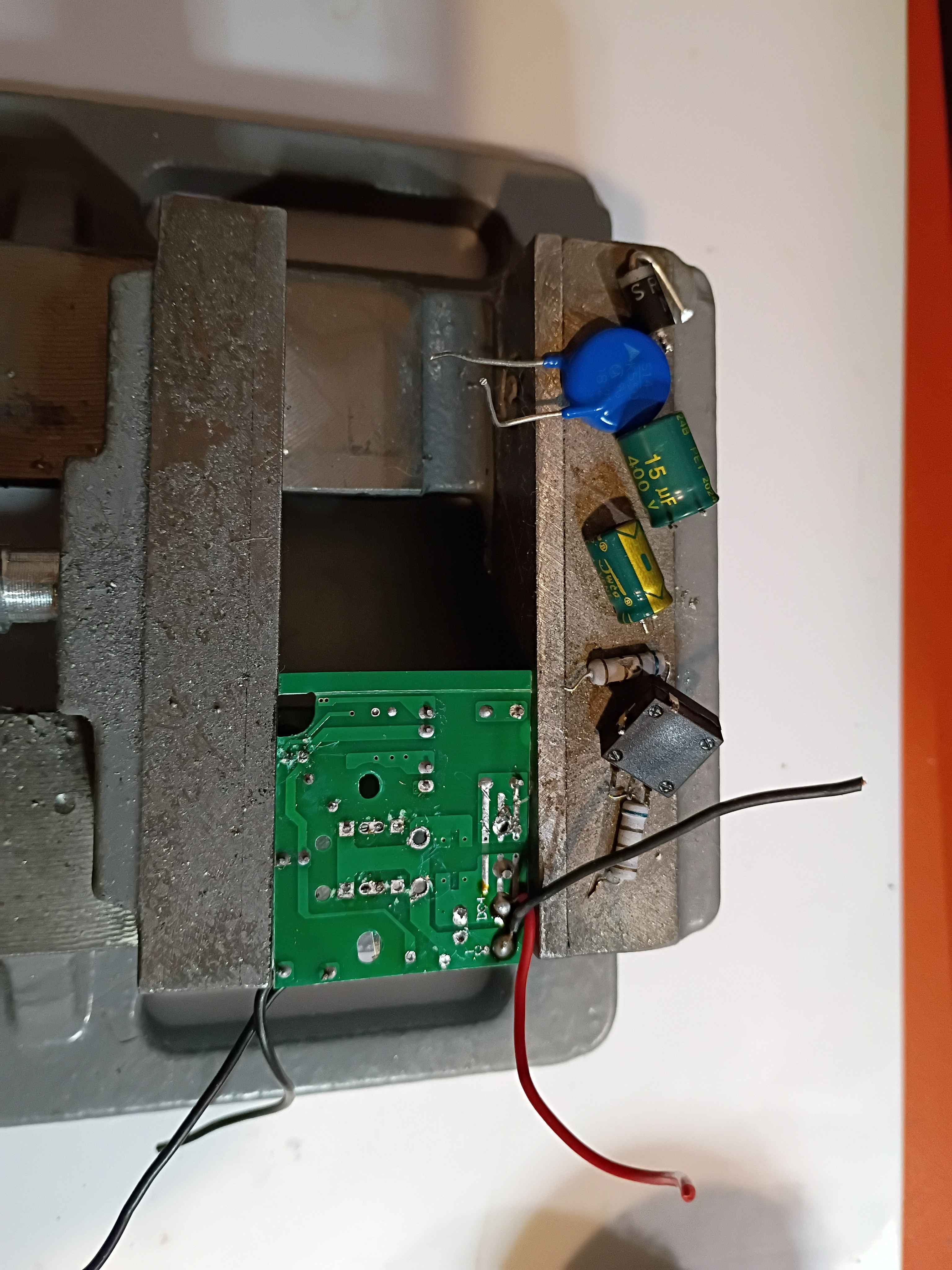
Manufactured the CH224K Breakout. It's mostly finished. The connections have been tested with a multimeter and are sound. The PCB was etched with ferric chloride and then drilled. The CH224K was then soldered to the Board. 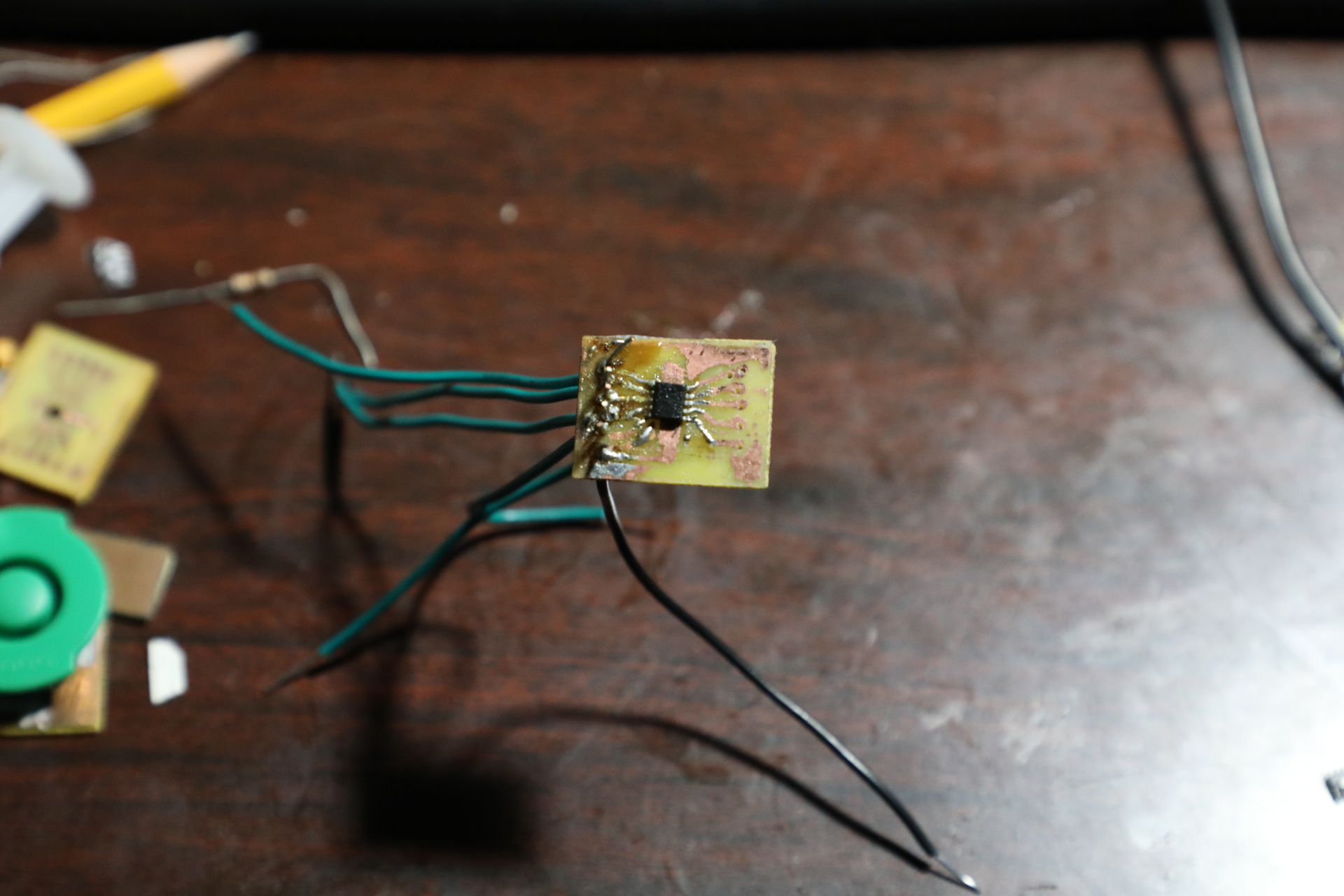
The rightmost breadboard was replaced and all of the components were replaced into another breadboard. The encoder section of the circuit (leftmost breadboard) had 10k resistors removed and the signals from the encoder had more fidelity. The encoder signals were routed to the 74LS00 (which acts as an isolation to the MCU and an inversion) and the output of those are connected to the Atmega328P. The Code was then updated and we have a visible reading from the seven segment displays. But not everything is working. The Segment displays do not output a live reading from the enocder very well. 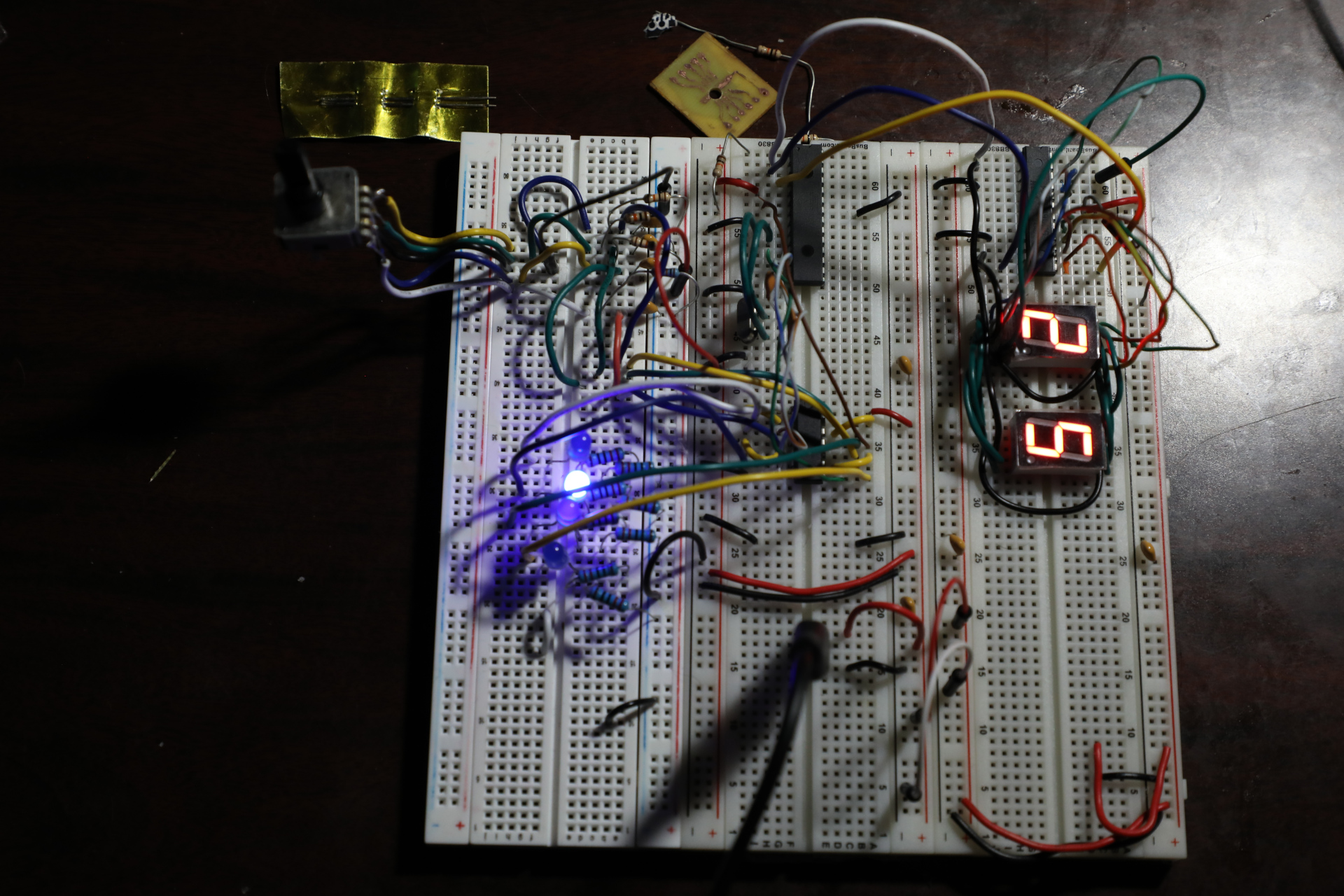
Designed a stackable case to contain various electronics for prototyping. The idea is that these small containers can be stacked on top of eachother on a desk, or shelf. 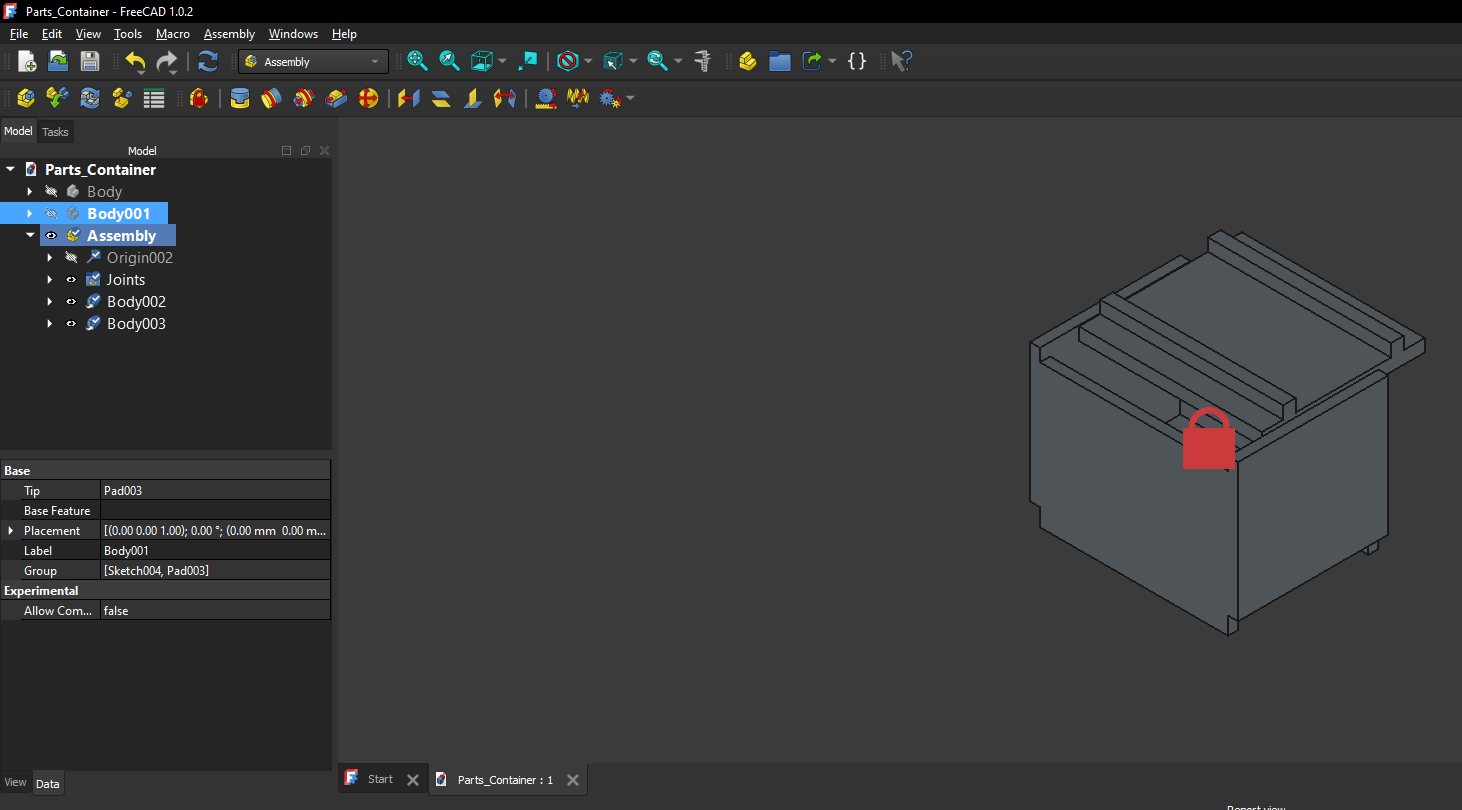
Designed a Resistor Holder for convenience when prototyping on a breadboard. It's easier than opening a plastic bag to get the resistors. 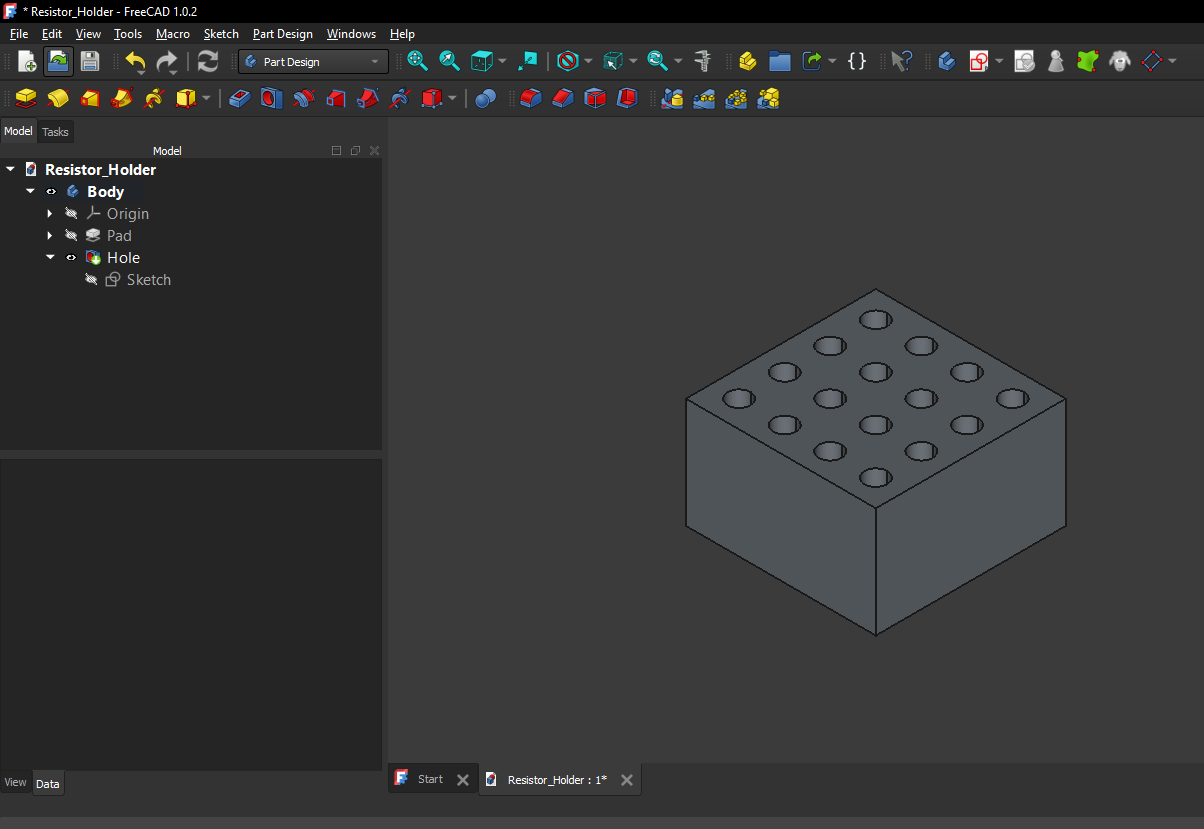
Took a AI generated Company quiz on the Max7219 Datasheet found here: https://www.analog.com/media/en/technical-documentation/data-sheets/max7219-max7221.pd
Read 62 pages of Computer Organization and Design 5th Edition by Patterson and Hennessy. And Read 38 pages of Microwave and RF Design Radio Systems volume I 3rd Edition by Michael Steer.
Got bit-banged I2C working on the ch32v003, which was a massive headache, around 800 bytes in the binary. Still way easier than using the built in I2C peripheral. And it allows use of any pins, which is good. Also realized that the WCH LinkE programmer can provide 5V as well as 3.3, which is very good to know. 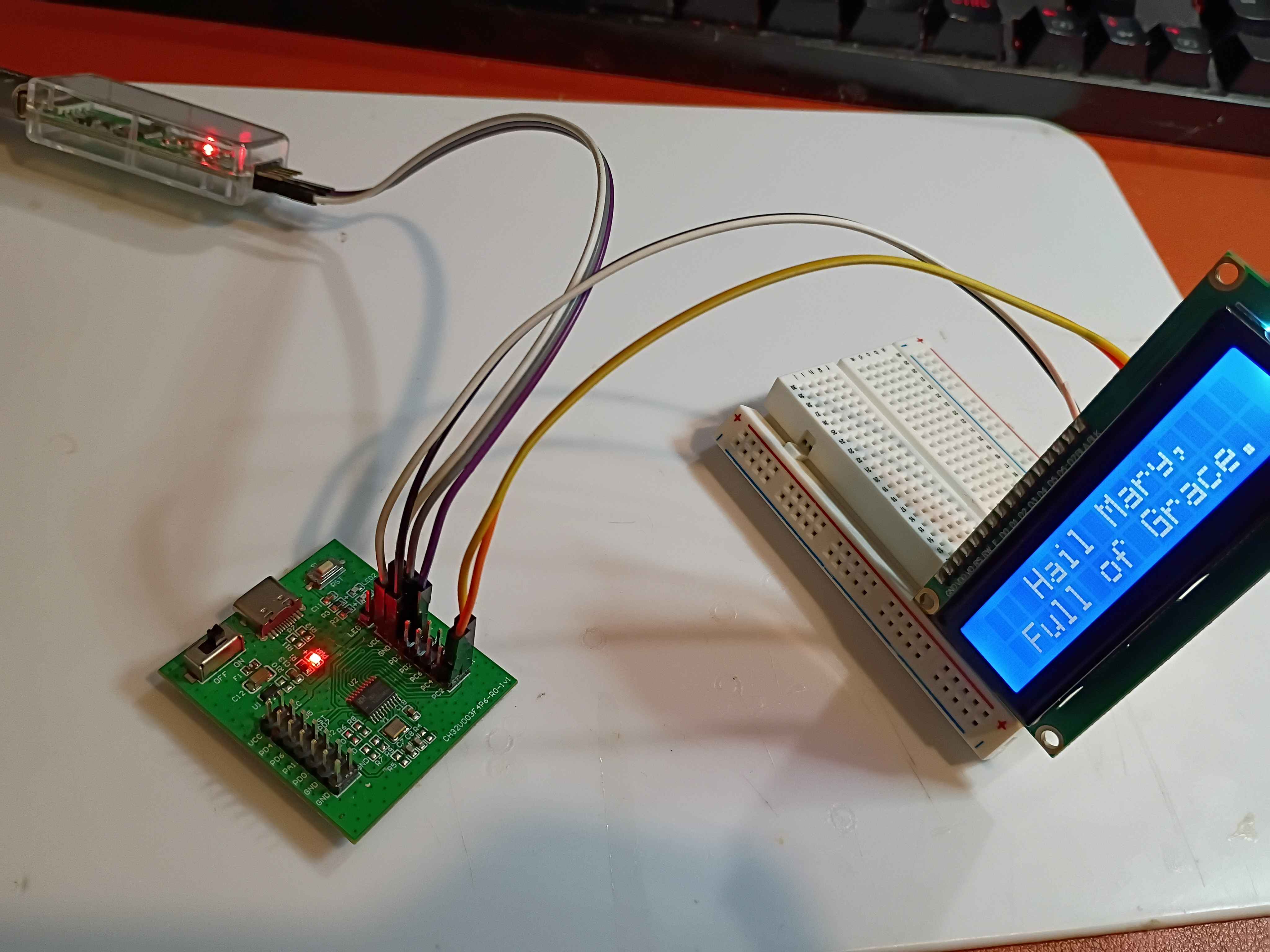
Created the ex04_adc and ex05_pwm ch32v003 template assembly programs. Updated the documentation entry in the microcontroller sandbox.
Concepted out Hackaday contest entry, a gravity powered curtain opener/closer. Designed four simple components in 3D that allow weights tied to the center hole of the -005 components to sequentially slide out of a carriage assembly and thereby draw the curtains opened and closed. The -007 slider is connected either to some servo or a bimetallic strip. As it slides inside the -008 channel, at either extreme, it makes an opening for the next -005 sliding component to fall by gravity out of the carriage. A frame will be necessary to hold the -008 and -006 components in relative position, as well as the motion input system. 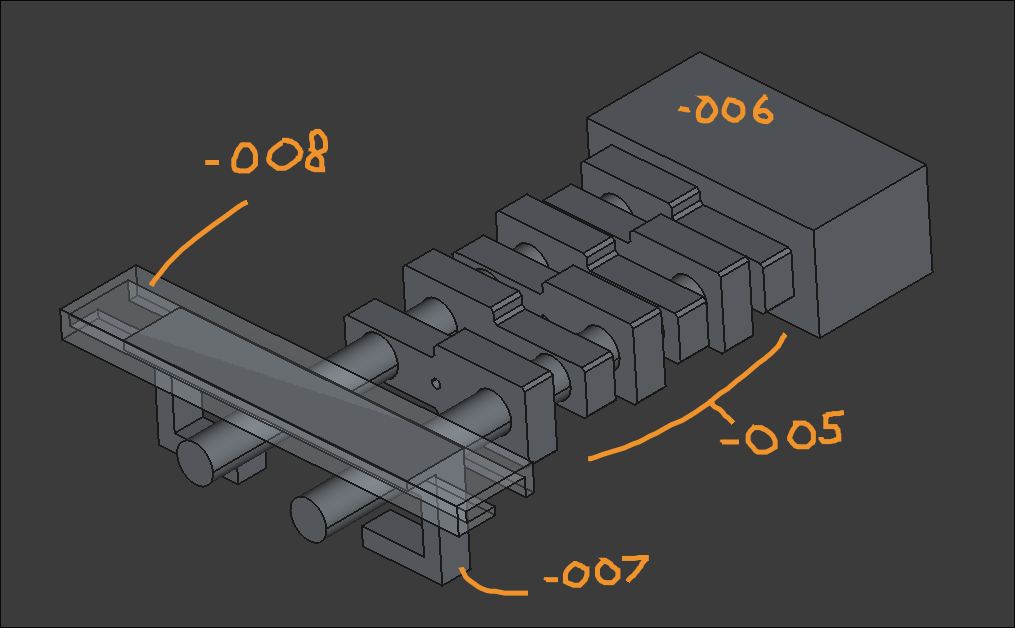
Created barebones documentation entry in project repository.
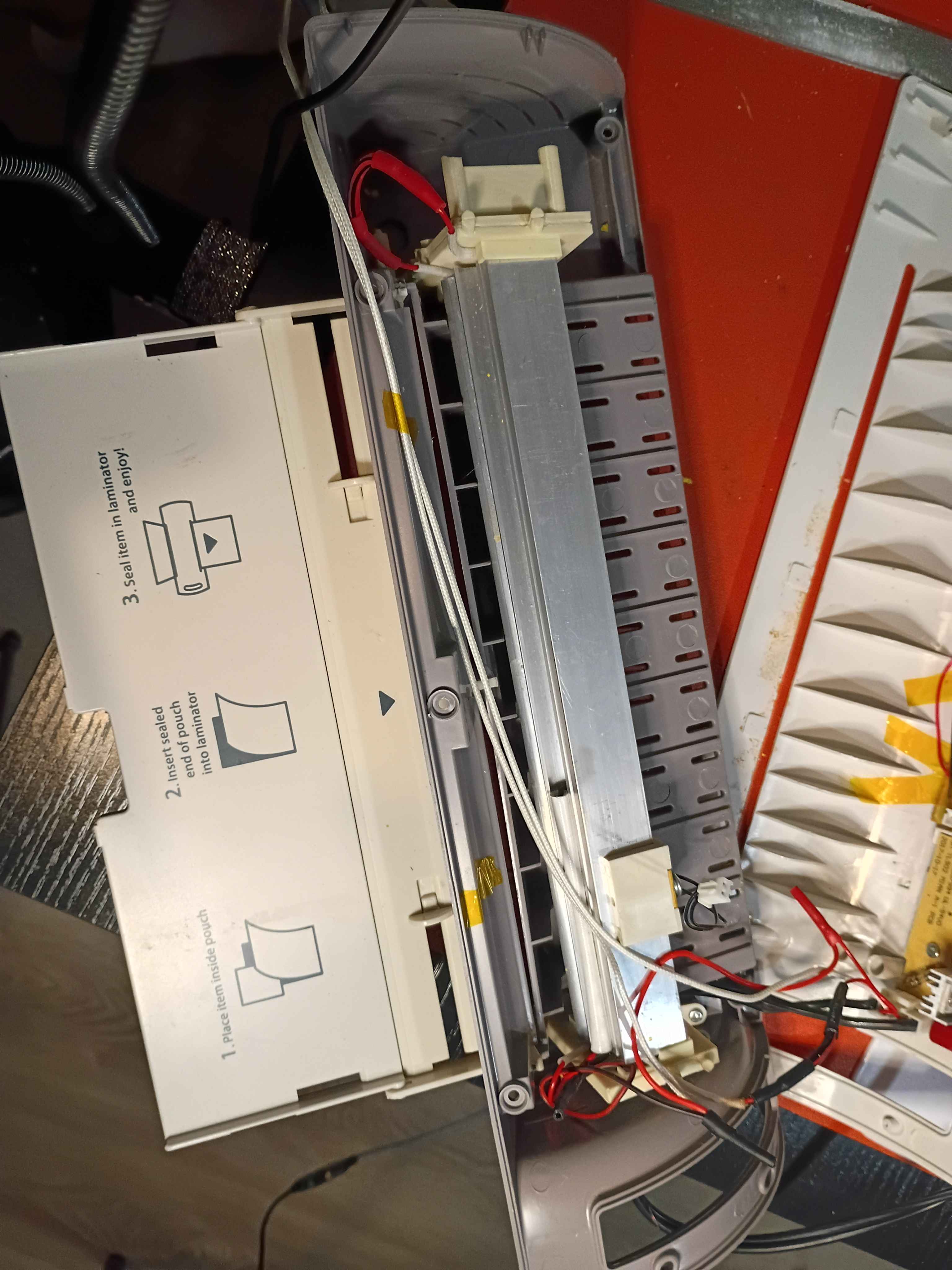
Only burned myself 15 times while soldering and assembling the final modified TL902. It does seem to work pretty well. It manages to get over 220F and the potentiometer enables you to select a different max temperature. I used polyamide tape to secure everything in place on the inside. However the side brackets are beginning to melt at those higher temperatures, so attempts will be made to cast from a high temp polyurethane resin instead. See video. 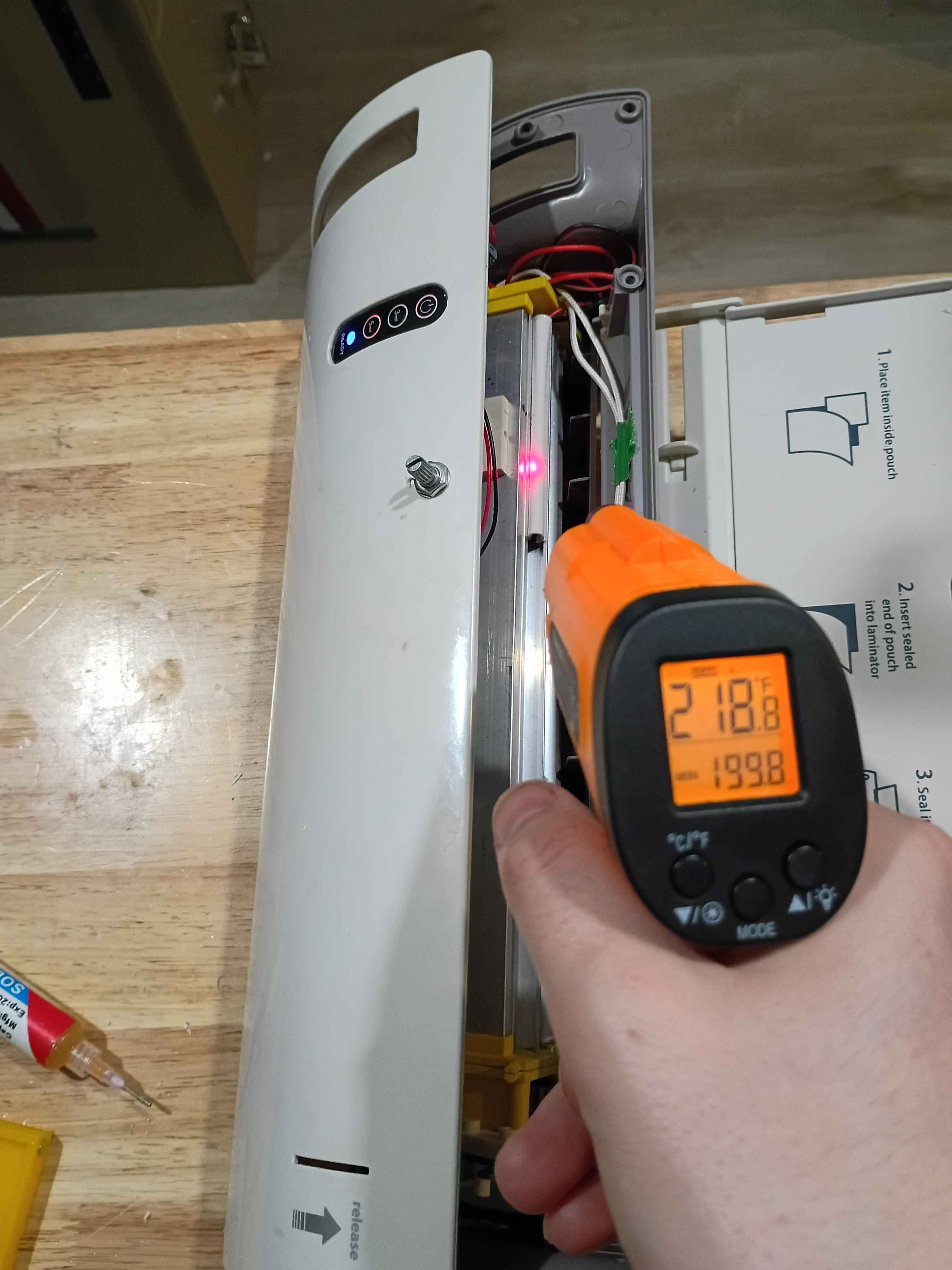
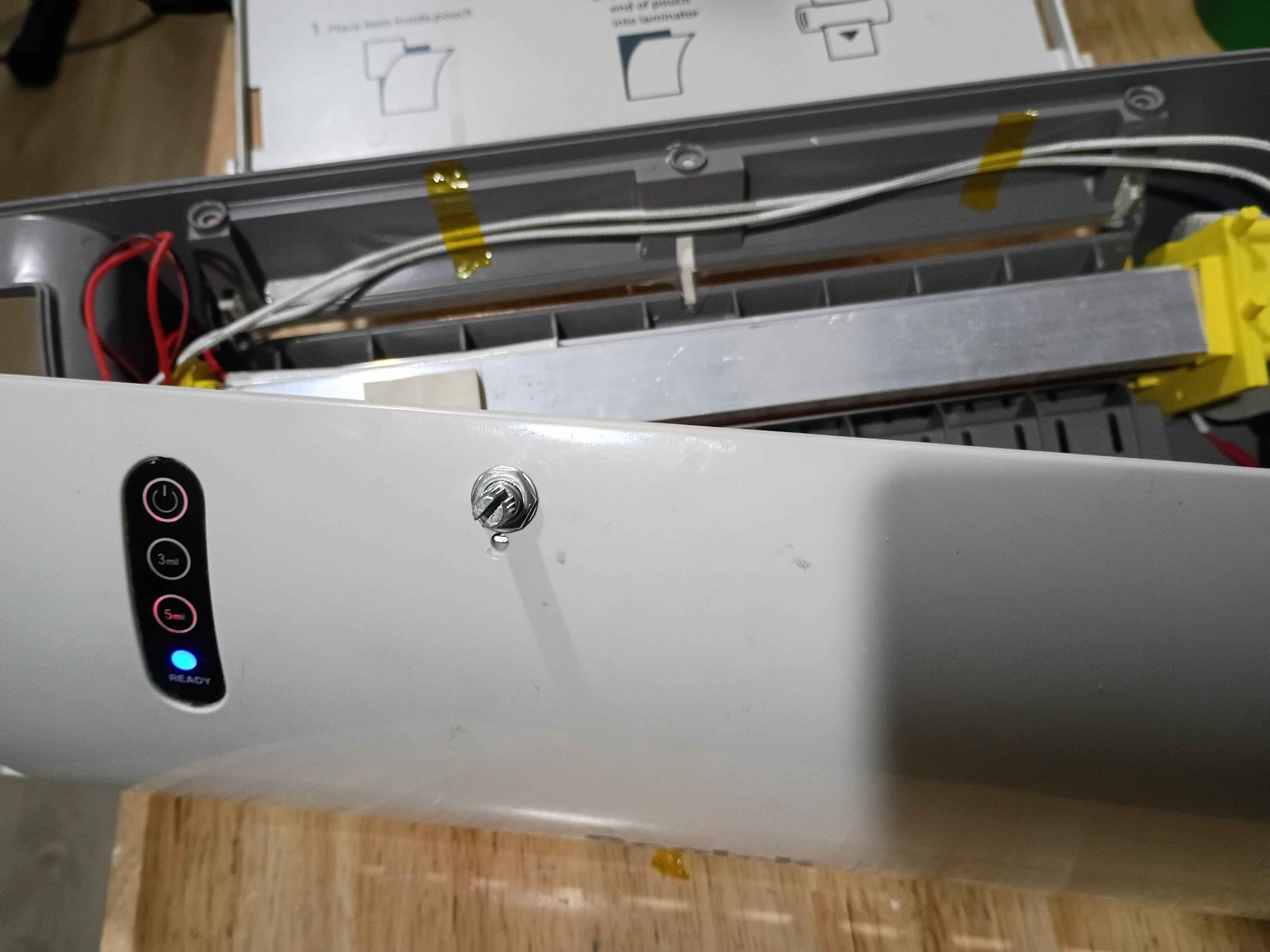
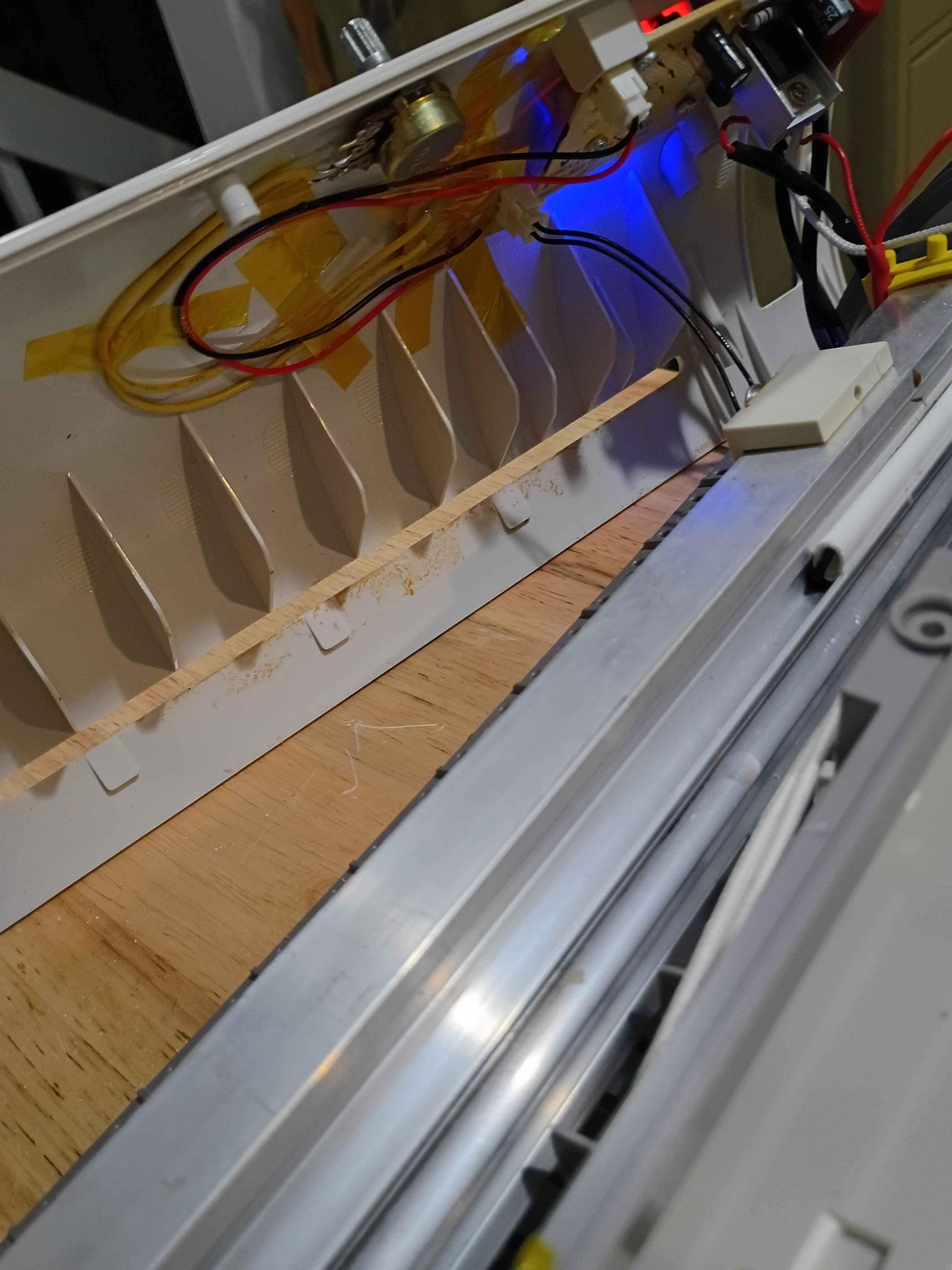
Drew, etched, and soldered the electrical modification board for the thermistor resistance. Was able to do it in less than 30 minutes while streaming, which is pretty quick. 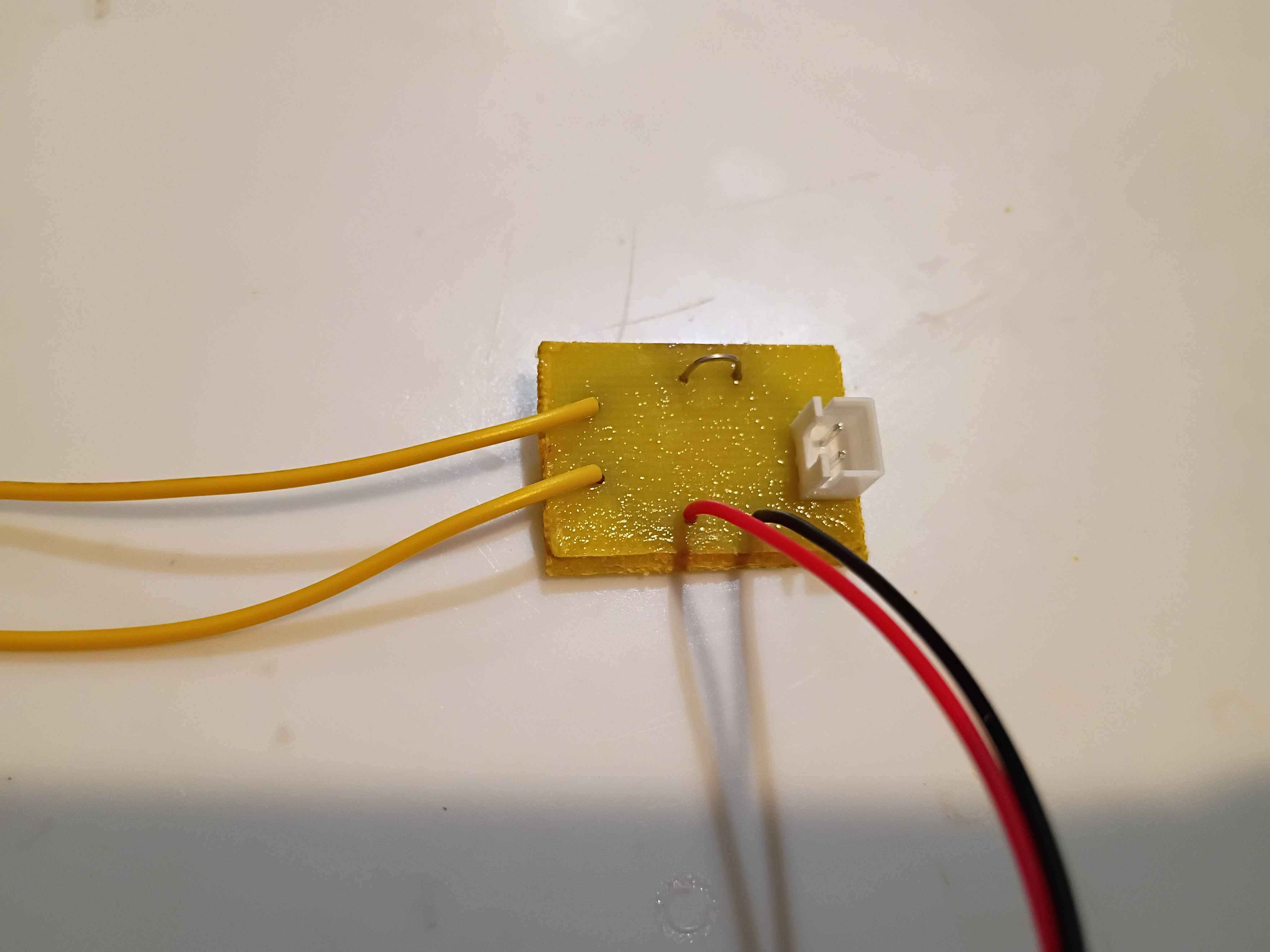
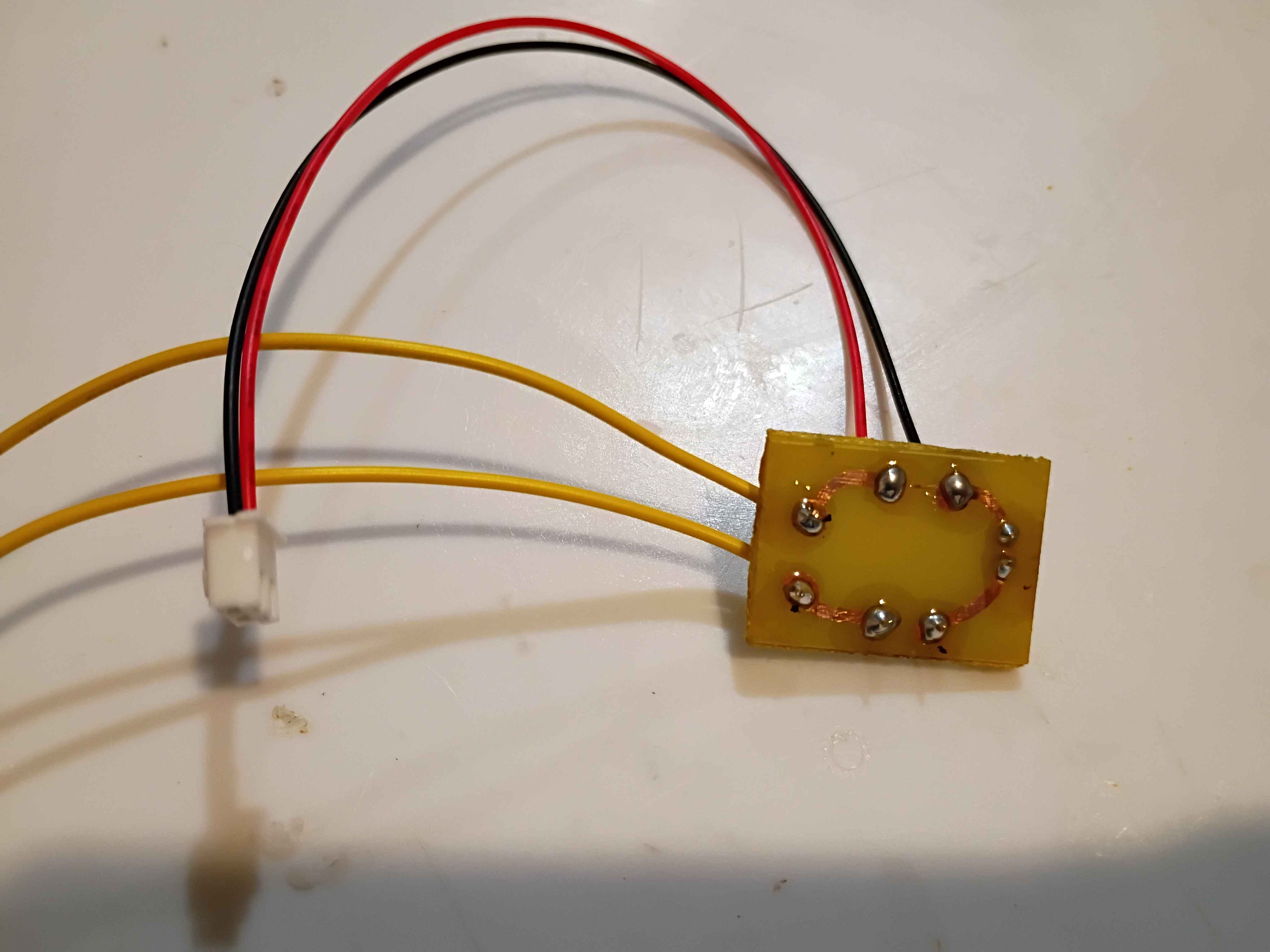
Abstracted out specific addresses and values to a definition file for the ch32v003 assembly code. Adapted the ex02 blink program and created an ex03 for SDI (serial debug interface) data printing to a connected computer console. Updated the documentation entry in the microcontroller sandbox.
Finished reading (175 pages) the non-project section of The Home Machinist's Handbook by Doug Briney. A very good introduction to machine work using Sherline tools. 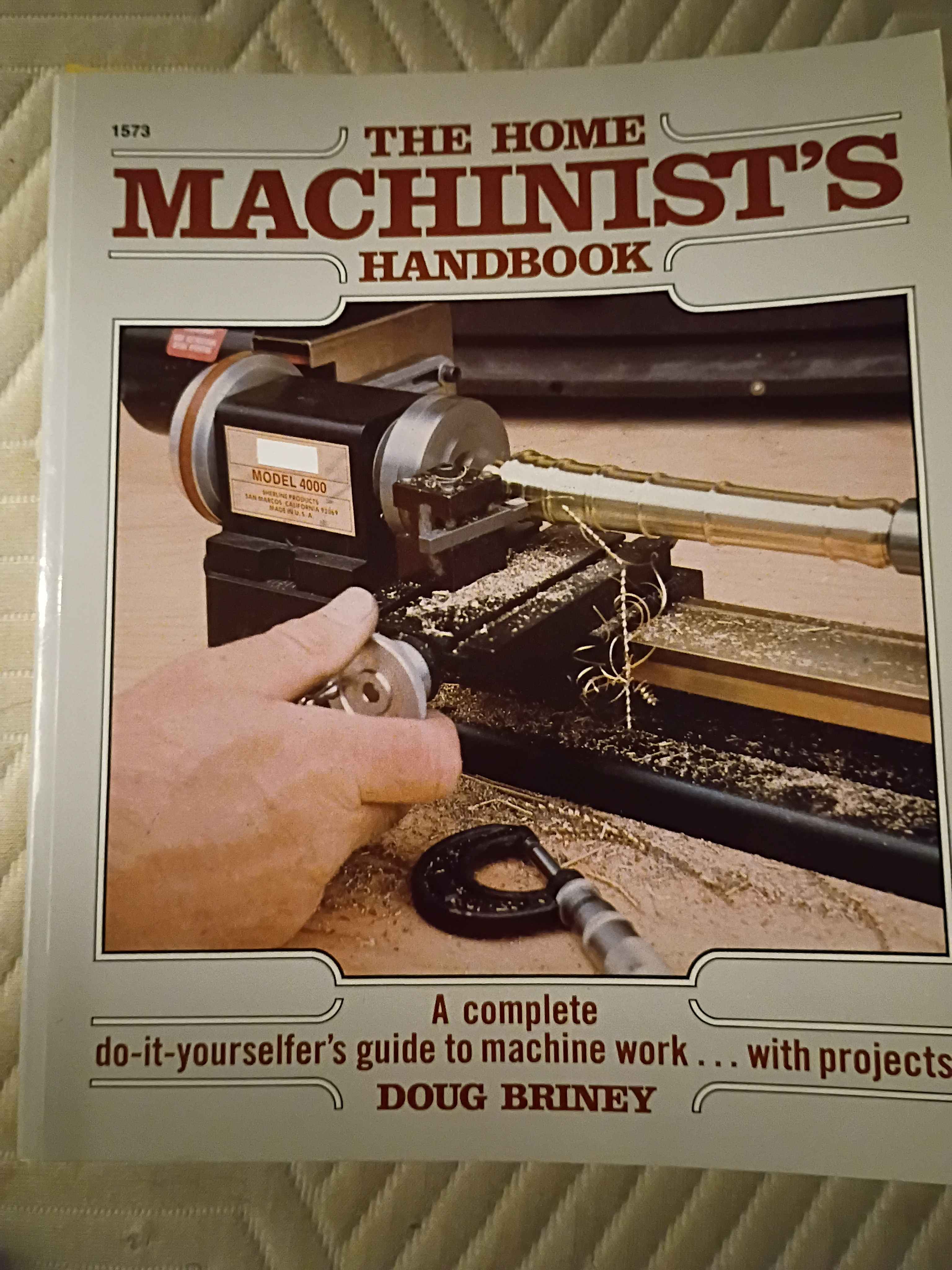
Got ch32v003 dev board to run an assembly code version of blink without the ch32v003fun bloat. Very easy and way more clear in my opinion. Created the documentation entry in the microcontroller sandbox.
Got ch32v003 dev board to run slightly modified sample blink routine using ch32v003fun libs. Was trying to do it with less bloat but was unsuccessful. Will try again later. 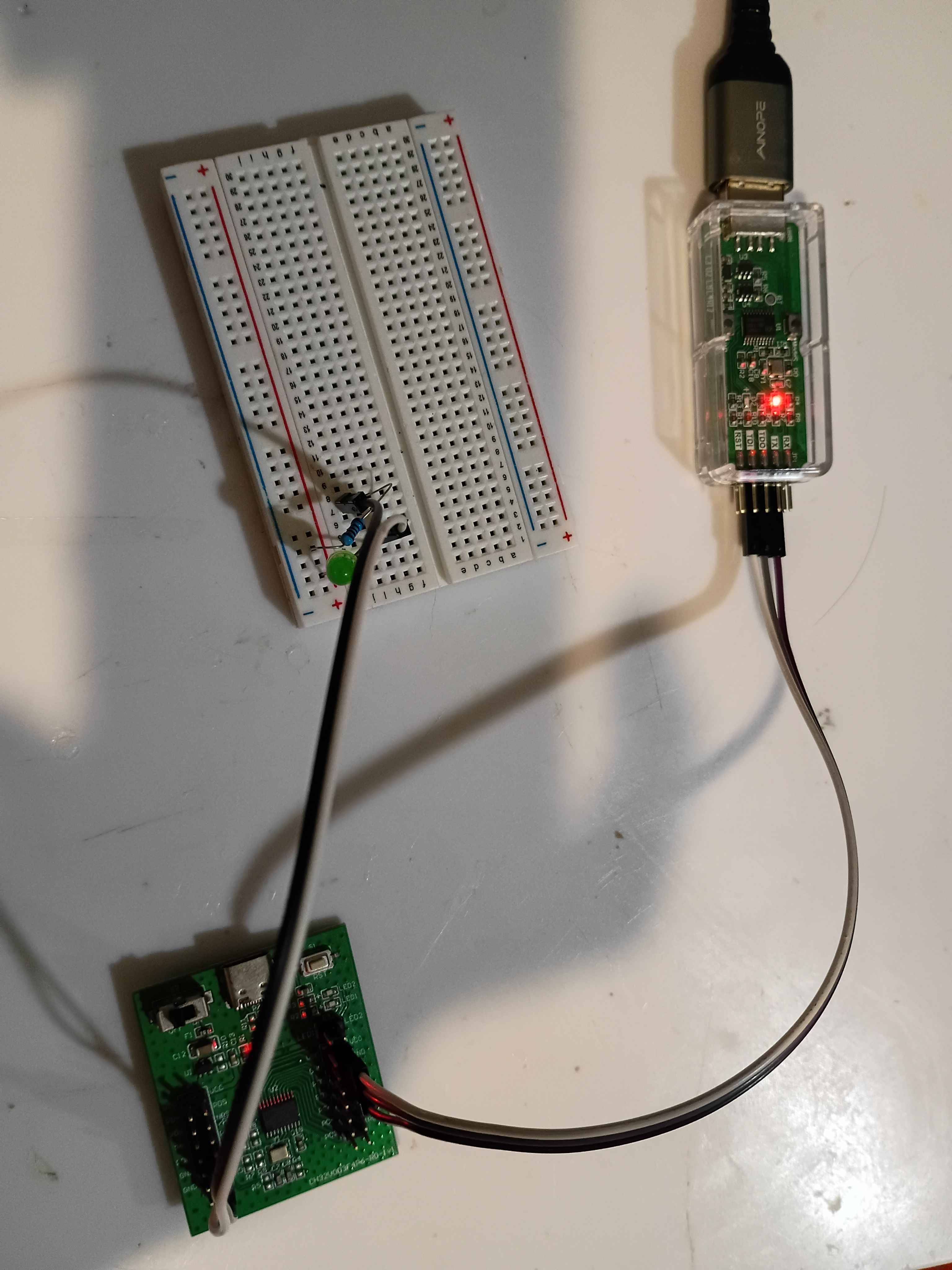
Rebuilt the laminator using the new side brackets and, although they were not perfect (in reality the lower pin on the motor side bracket needs to be adjusted slightly, though it works as is), and resoldered all the connections after threading the wires through the printed pieces. The motion system works perfectly as intended. See video of it in action. 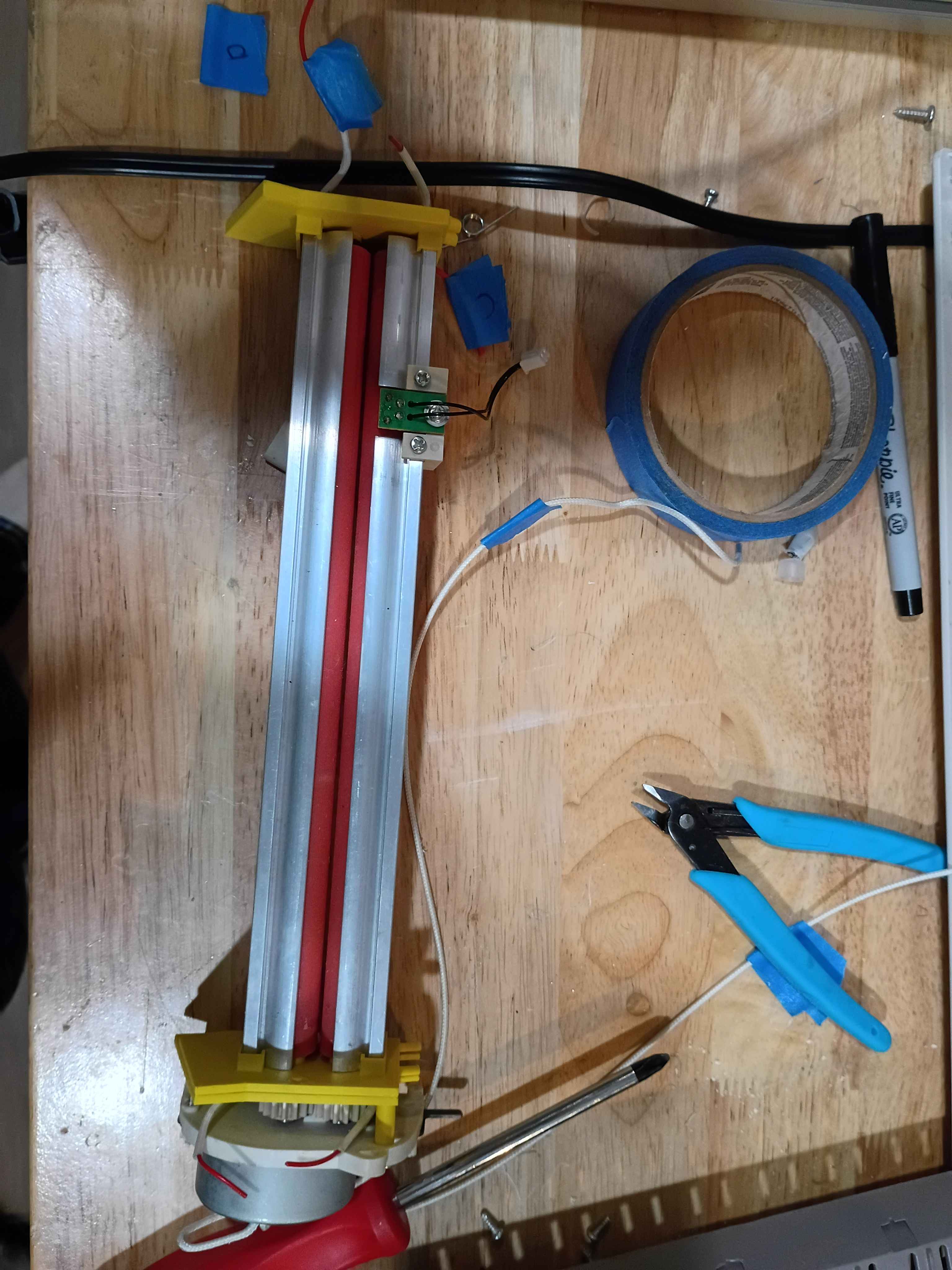
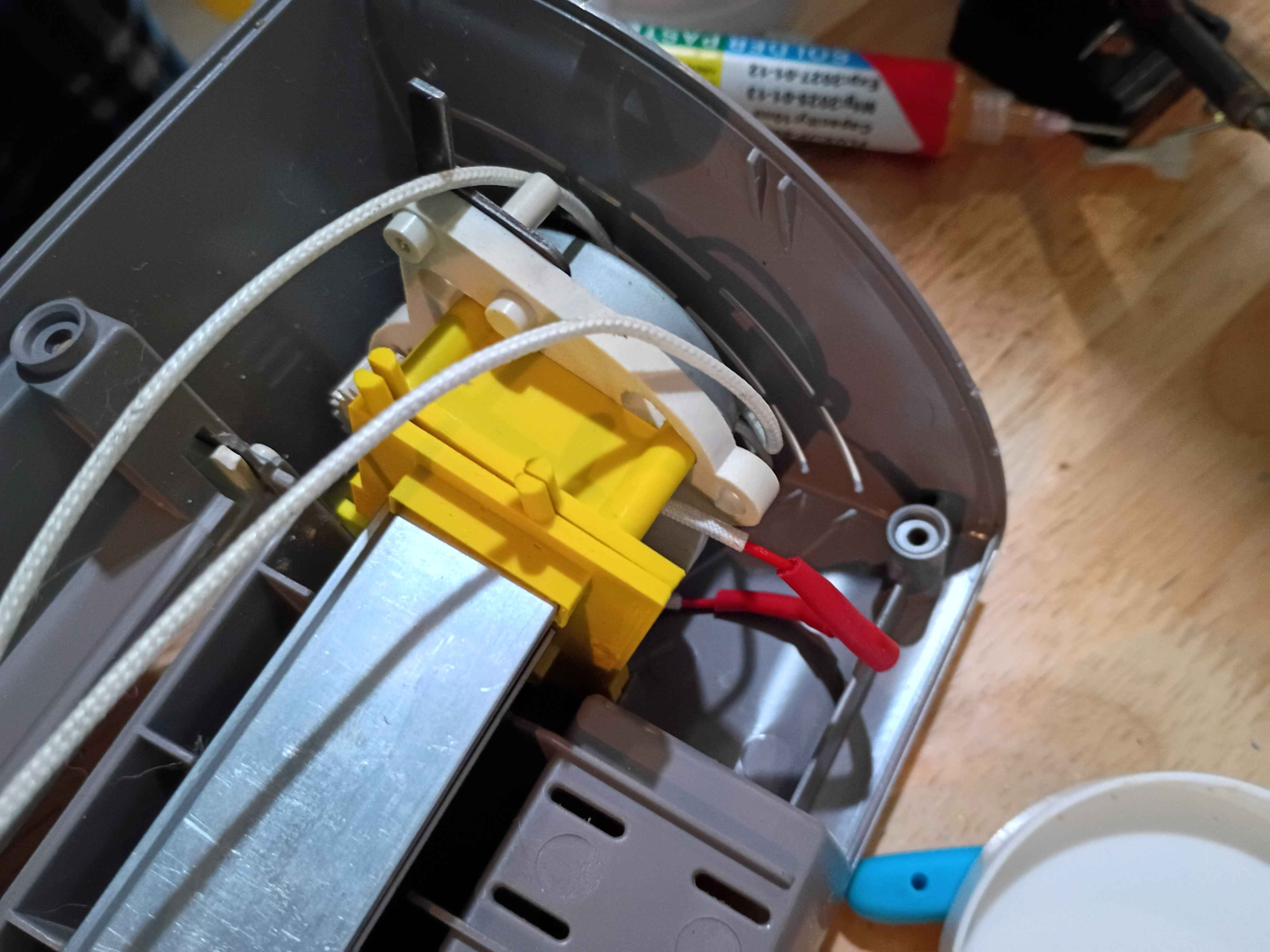
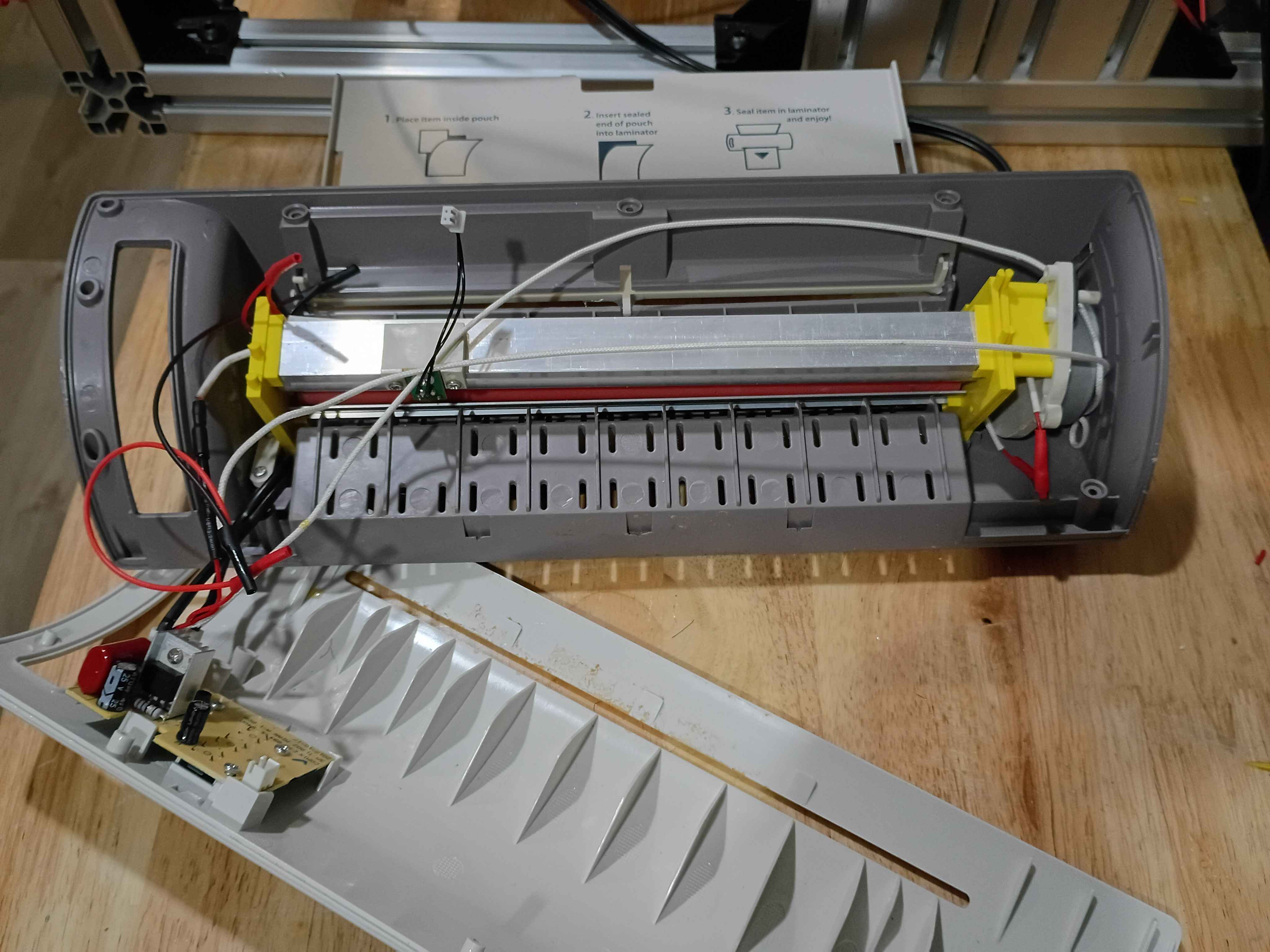
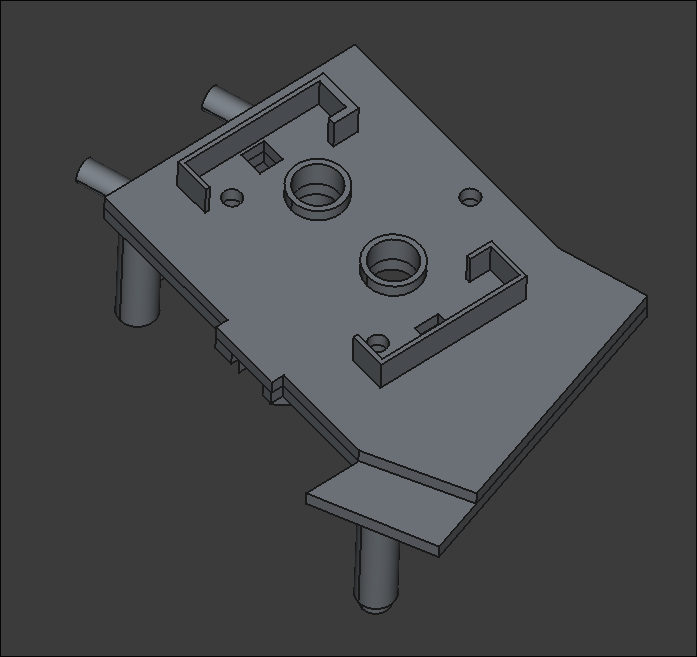
Updated design for left-hand bracket per fitment test of previous iteration. Prints should complete overnight. There is no need to actually bond these two together, as they will be clamped together in the assembly. Likely won't need to print/source new gears, as the existing ones seem to mesh fine with the greater separation distance. 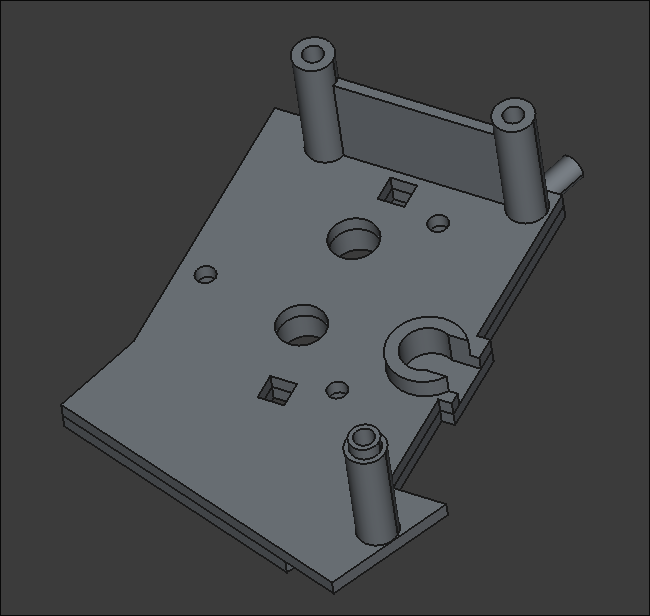
Updated mary-bot to automatically report pentecost-pursuit progress on a daily basis at midnight.
Incorporated design iterations in 43001-002 and divided into an upper/lower half to facilitate printing. 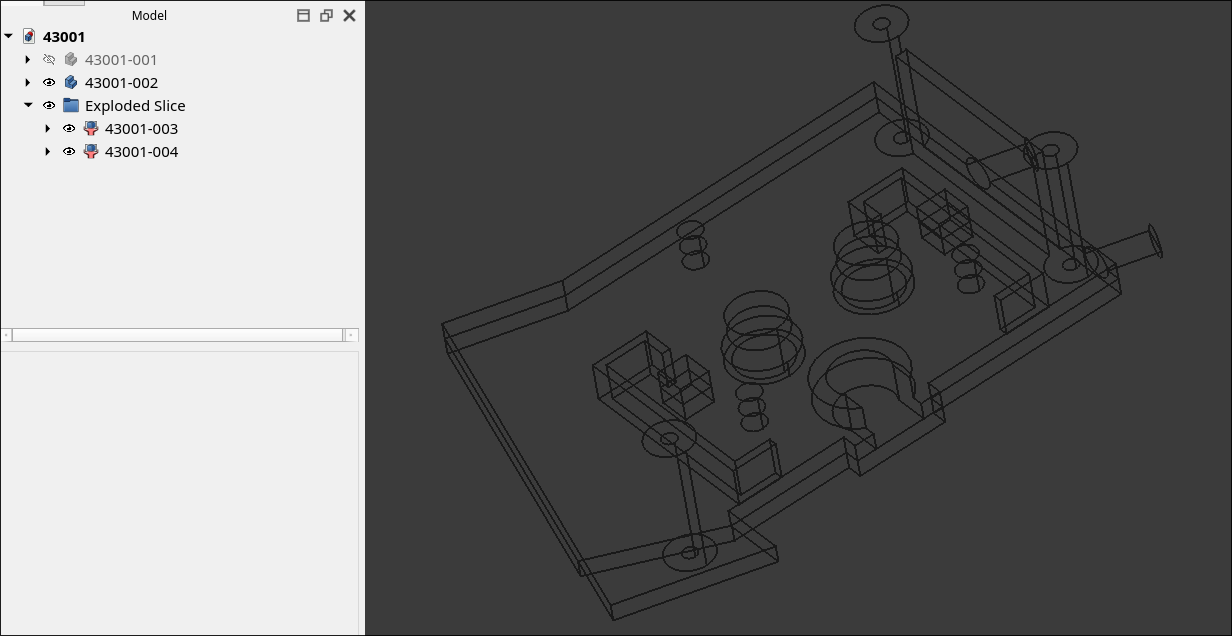
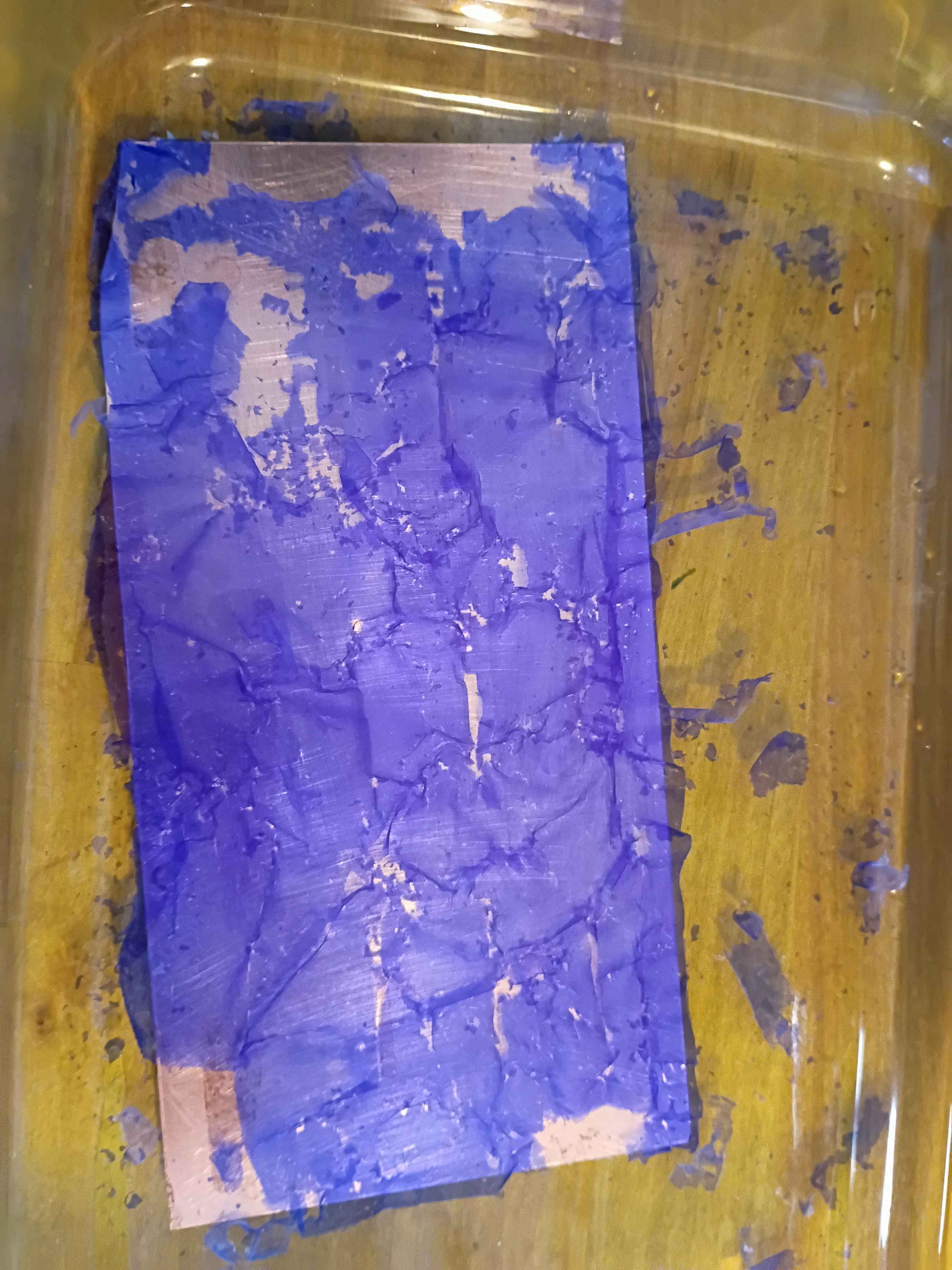
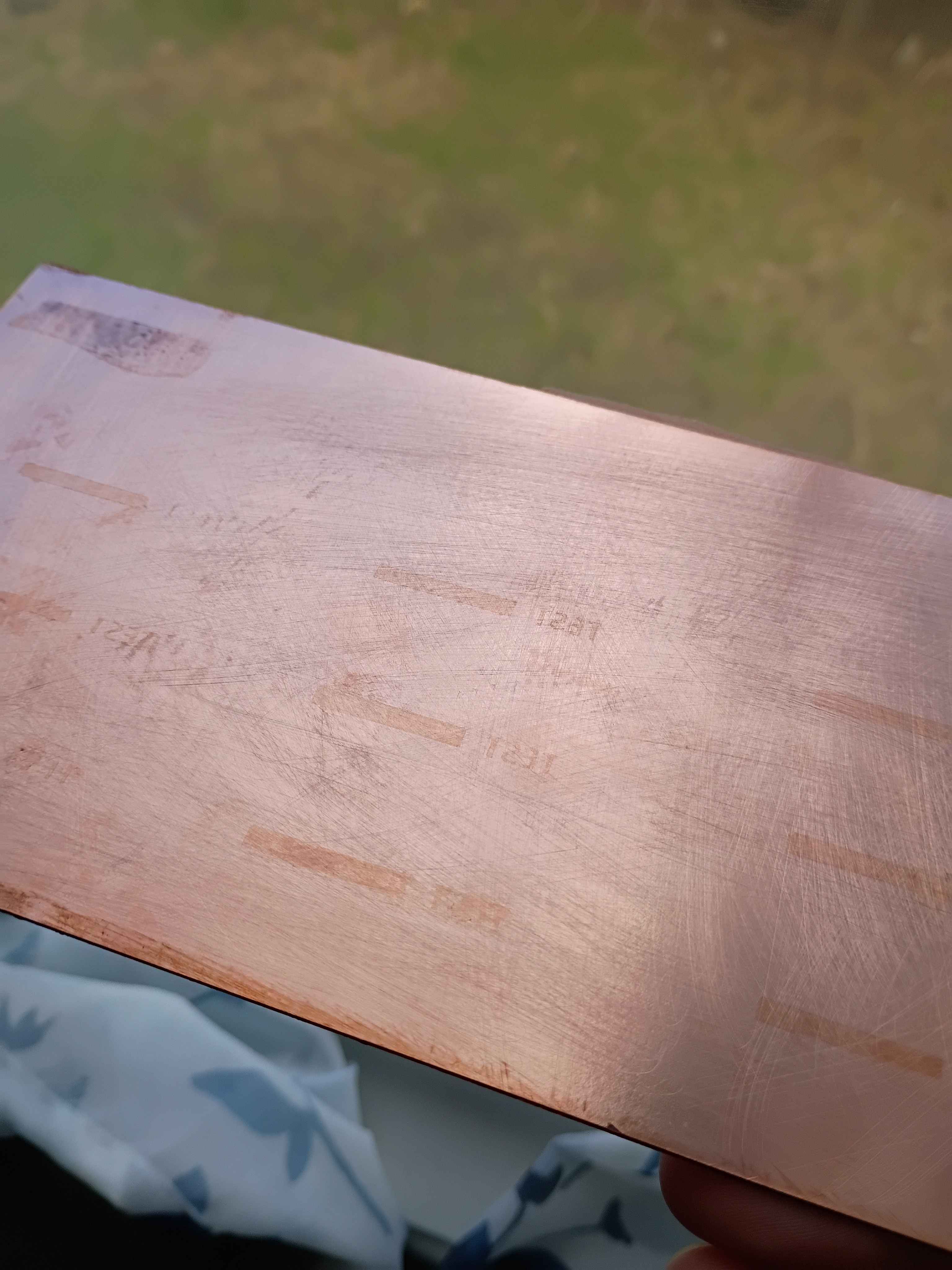
Added 2 tsp of sodium hydroxide to 500 mL of water to dissolve off the hardened photoresist on the test panel. It only took a few minutes. The only remnant was the oxidation that built on the exposed areas. 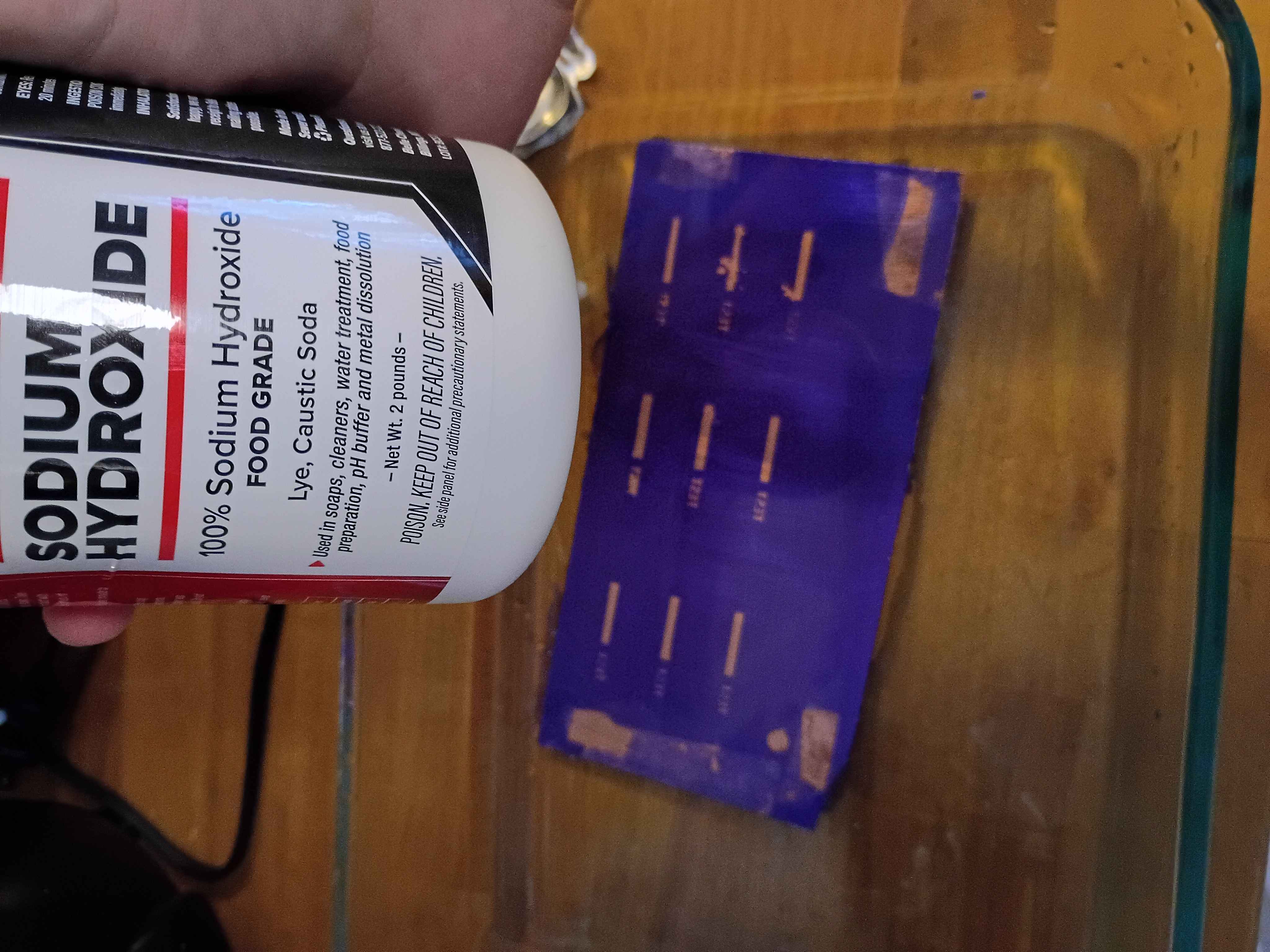
"Fixed" the printer problem from last night by leaving the lid open. The right-hand bracket does seem to fit all the components perfectly, though the top pegs can be thickened, though they currently match the original part. Designed and printed left-hand bracket piece, without stepper motor standoffs. 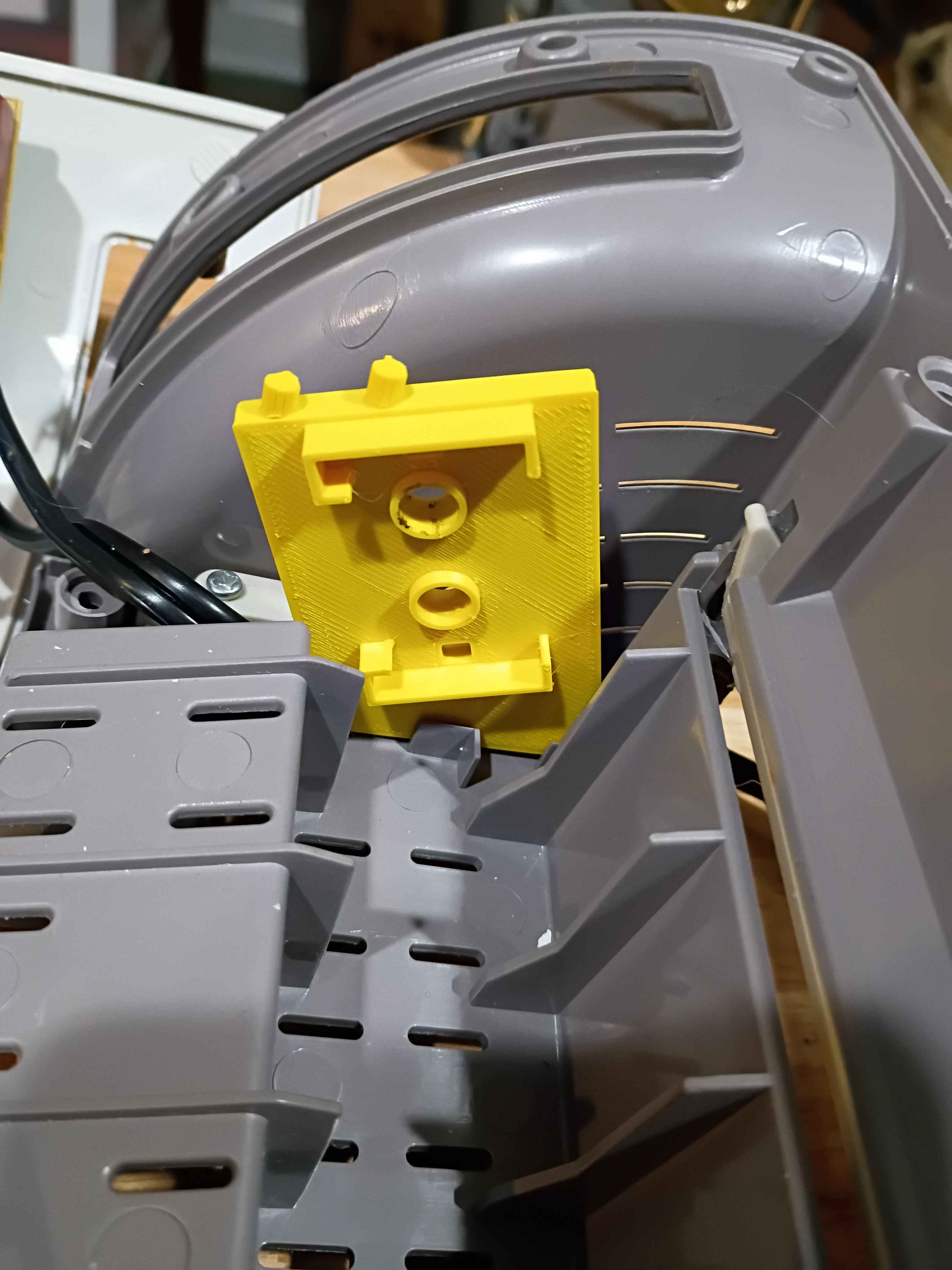
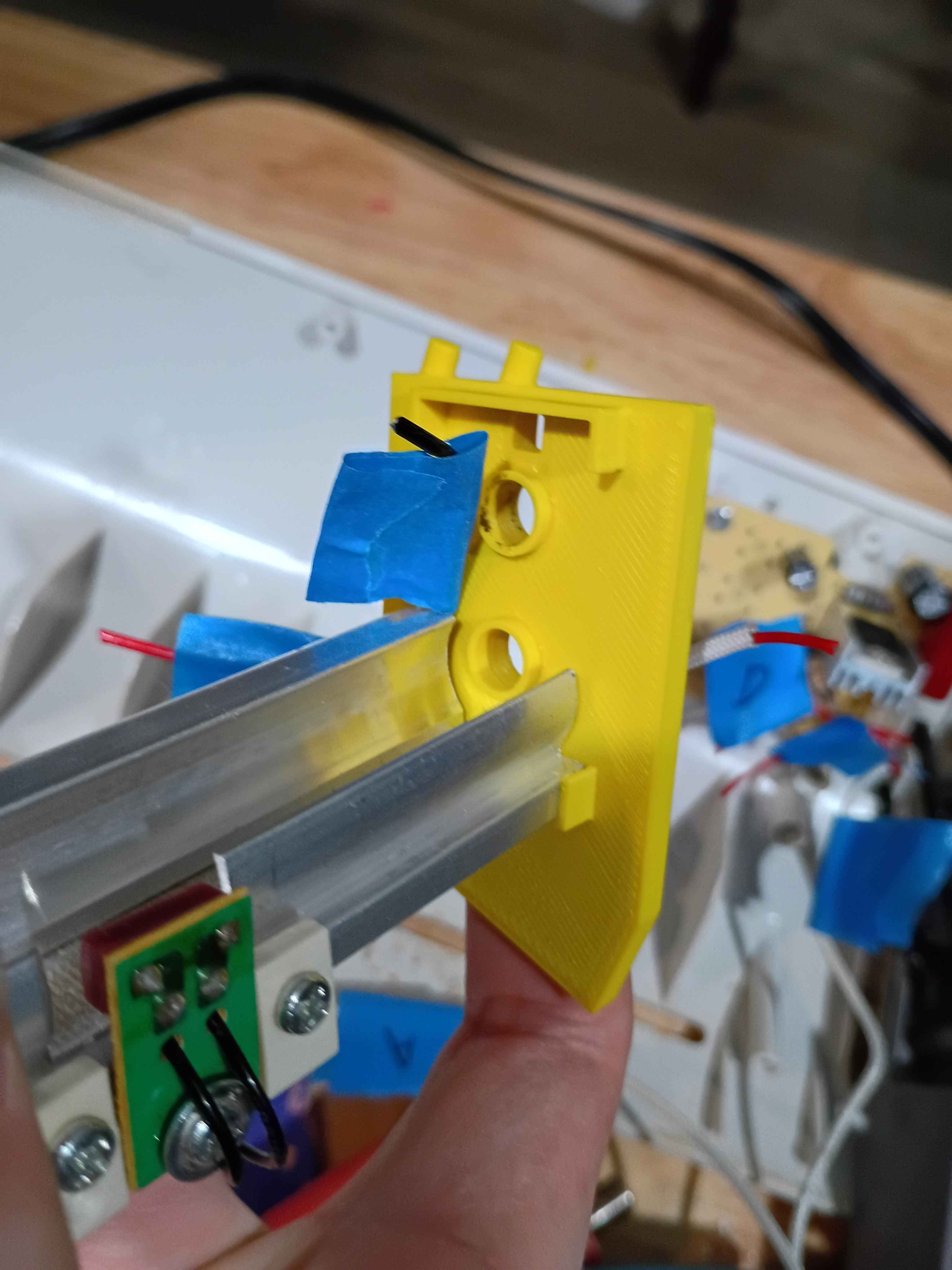
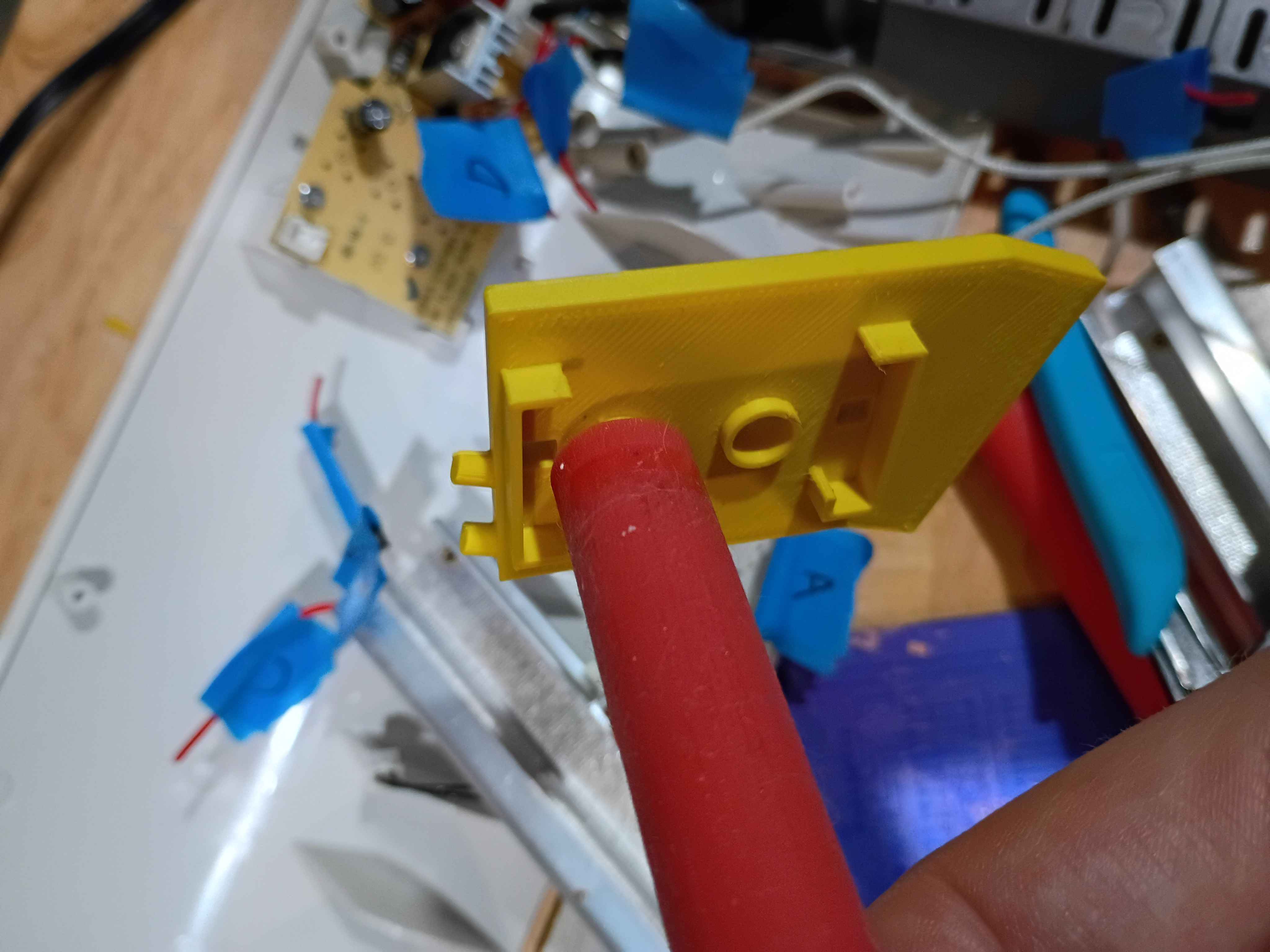
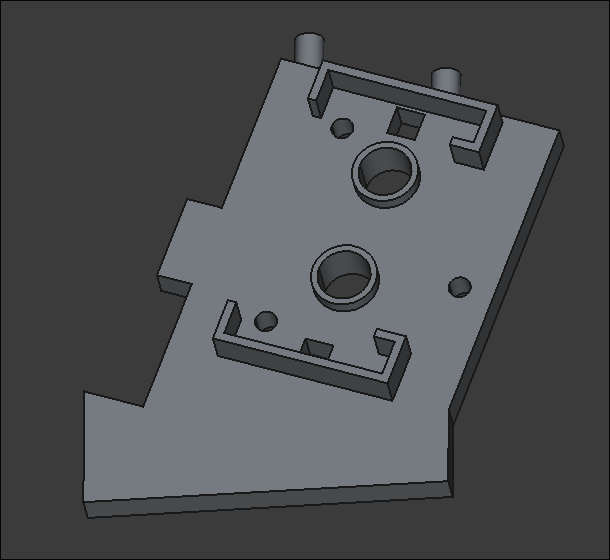
Revised right-hand roller support bracket to improve fitment and modeled left-hand bracket. Left-hand bracket needs mounting holes as well as standoffs to mate with the motor bracket. Had printer issues related to the thermistor while trying to print. I think it's some connectivity problem and am working to fix.